Two pairs of socks can sit beside each other on a shelf with very different stories on their labels. One says cotton; the other says bamboo, suggesting something fresh and plant-like. When you touch them, the bamboo pair may feel silky, but that still leaves a practical question: what fiber are you actually buying?
Understanding bamboo vs cotton socks starts with the material name, then moves to the finished knit. Here is how to compare fiber labels, softness, care and everyday use without assuming that a plant name proves antibacterial performance or environmental benefits.
Key Takeaways
- Many socks sold as bamboo are made from regenerated cellulose such as rayon or viscose.
- Cotton is a natural seed fiber; rayon made from bamboo is a manufactured fiber with bamboo as its cellulose source.
- Compare the complete blend, thickness, fit and care instructions.
- Neither the word bamboo nor cotton establishes the environmental impact or antibacterial performance of a finished sock.
What Does Bamboo Mean on a Sock Label?
Bamboo can be a starting material for rayon production. That is different from mechanically processing the plant into a fiber that remains bamboo. The Federal Trade Commission distinguishes these materials and explains that bamboo-derived rayon should be identified by its proper fiber name, such as rayon made from bamboo. It also requires evidence for claims that the finished rayon retains the plant's antimicrobial properties.
For a shopper, the useful next step is to read the composition panel. Look for rayon, viscose or another specific fiber name, along with the percentages of nylon, polyester or elastane. A large bamboo word on the front of a package is not the whole composition.
How Cotton Differs
Cotton fibers grow around the seed of the cotton plant. A cotton sock may still be a blend, with other yarns included for structure and stretch. The phrase cotton socks therefore does not necessarily mean that every yarn in the sock is cotton.
Yarn and finishing choices can also produce very different cotton surfaces. One pair may feel crisp and fine; another may be brushed or cushioned. Comparing a thick cotton sports sock with a fine viscose dress sock can tell you more about construction than about a universal winner between fibers.
Bamboo-Derived Rayon vs Cotton at a Glance
| Question | Bamboo-derived rayon or viscose | Cotton |
|---|---|---|
| What is the fiber? | Regenerated cellulose made through a manufacturing process | A natural seed fiber |
| What might you notice? | Often chosen for a smooth, fluid feel; check the actual knit | A familiar cotton feel that varies with yarn and finish |
| Does the name prove odor control? | No; finished-product claims need evidence | No; the fiber name alone does not establish it |
| How should it be washed? | Use the finished product's care label | Use the finished product's care label |
| What else matters? | Blend, seams, thickness and fit | Blend, seams, thickness and fit |

Choose by the Feel You Need
For a smooth everyday pair
Feel the inside as well as the outside. Run your fingers along the toe seam and the heel section. If softness is the attraction, try the pair in your regular shoe; a silky fabric that slides or gathers may be less comfortable than a slightly firmer knit that stays smooth.
For a warm or active day
Consider the shoe upper, fabric thickness and whether you can change a damp pair. Absorbing water into a fiber, moving liquid through a knit and allowing evaporation are different processes. Marketing that reduces them to a single breathable label does not answer how a sock will feel in your enclosed work shoe.
Our polyester vs cotton comparison looks more closely at those moisture processes. If you are considering wool as another option, use our cotton and wool comparison rather than treating every plant-derived fiber as the same category.
Read Environmental Claims Separately
A renewable starting plant does not describe all the impacts of making, dyeing, transporting, washing and disposing of a sock. Look for a specific claim with a defined scope: what is certified, which component it covers, and what evidence supports it. Avoid turning one feature into a blanket better-for-the-planet conclusion.
Do the same with antibacterial language. Ask whether it concerns the raw plant, a treatment, a yarn or a finished sock tested under stated conditions. Those are different claims. You can choose a comfortable fabric without assuming it has a property that the product has not established.
Care and Fit Often Decide the Purchase
Check the washing and drying instructions before buying a full rotation. A pair that does not fit your laundry routine may be inconvenient even if you like its initial feel. Follow restrictions on bleach, heat and drying, including when other fibers are blended in.
Try one suitable style first if you are changing materials. Check heel placement, toe room and cuff recovery after normal laundering. Keep your comparison within similar thicknesses and footwear so that you can judge what you prefer.
A Cotton Option from MP Magic
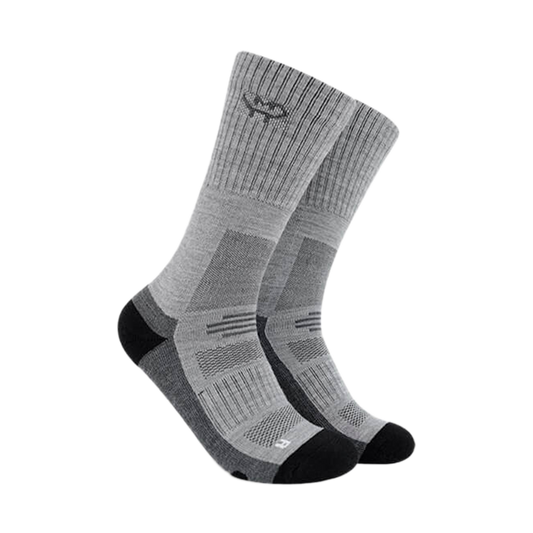
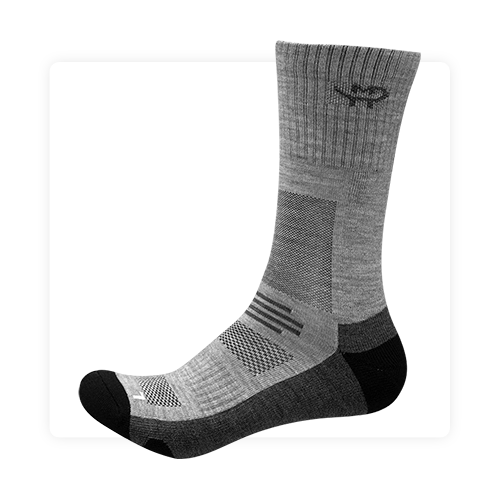
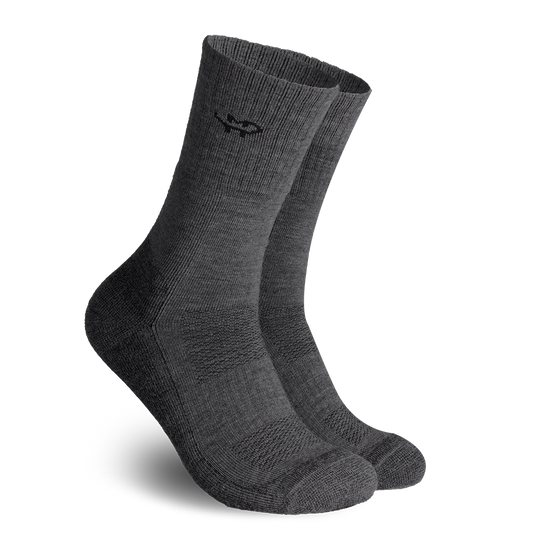
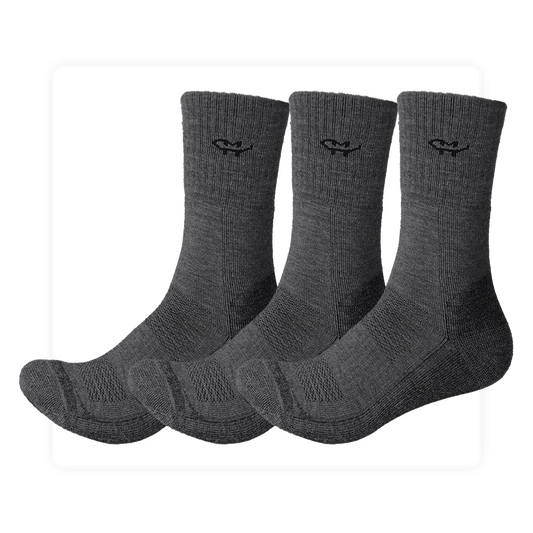
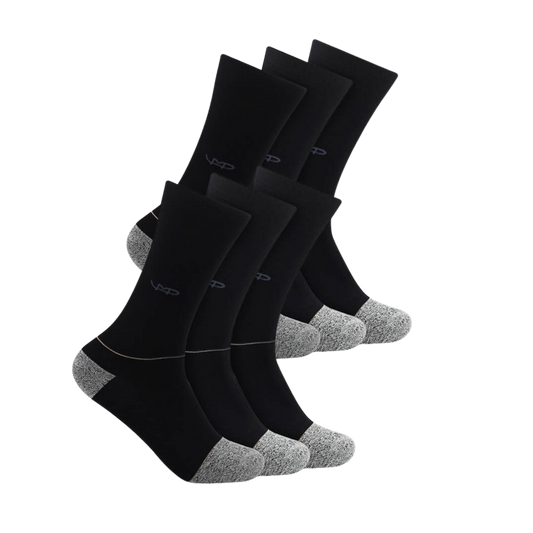
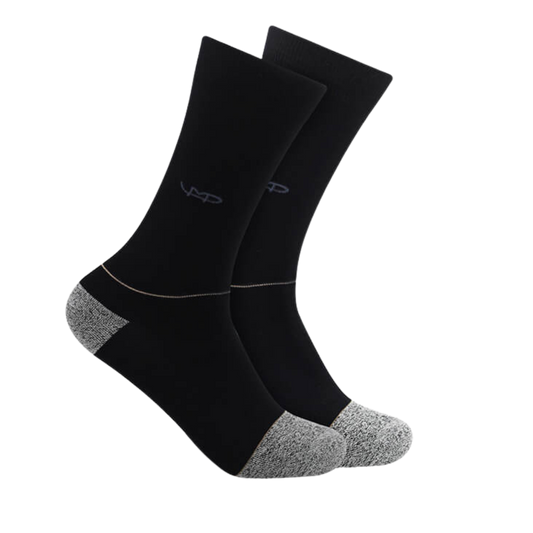
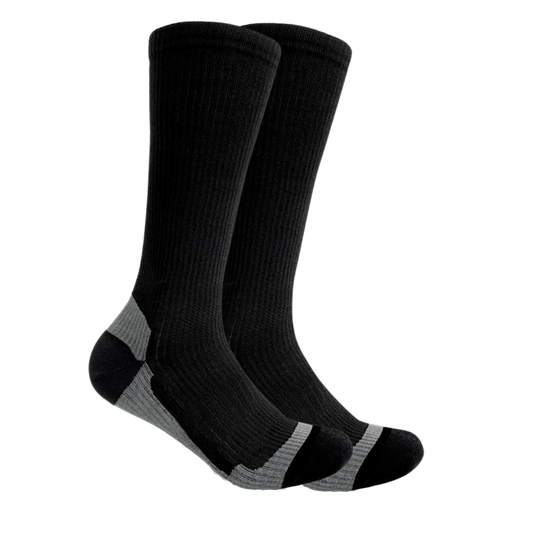
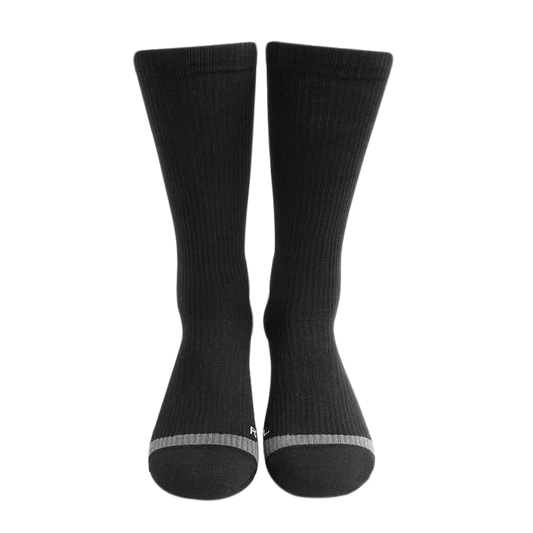
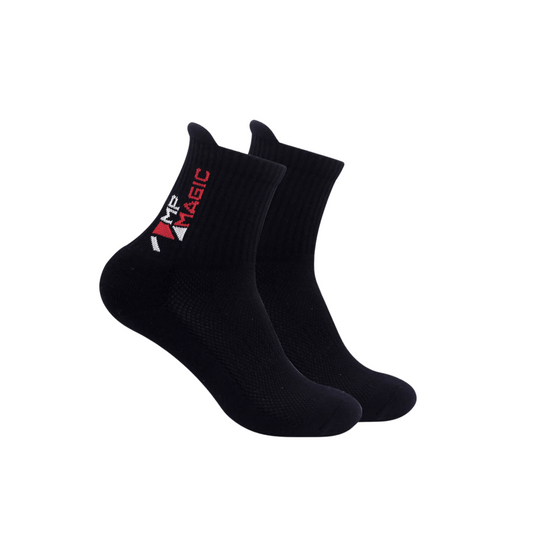
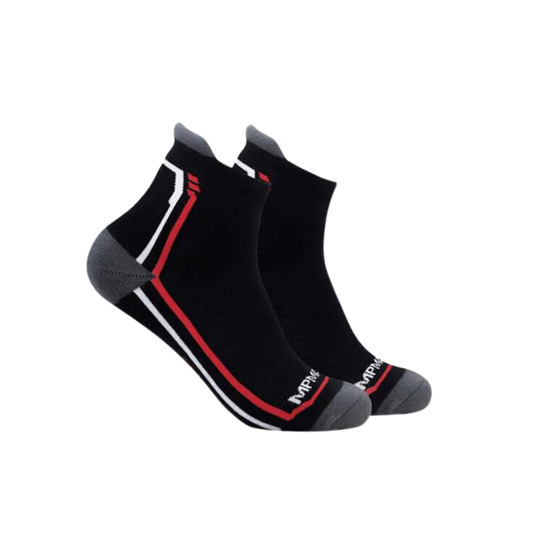
Our Supima Cotton crews combine a soft cotton-rich knit with nylon and Lycra. For a straightforward cotton crew, explore our Cotton Crew Socks. Choose around your shoes and daily routine.

Frequently Asked Questions
Are bamboo socks always made from actual bamboo fiber?
No. Check whether the composition identifies rayon or viscose made from bamboo. That is different from mechanically processed bamboo fiber.
Are bamboo socks automatically antibacterial?
No. The plant source alone does not establish antibacterial performance in the finished textile.
Are bamboo socks better than cotton?
There is no single answer for every pair. Compare similar thicknesses, the complete blend, fit and care requirements, then choose the feel that suits your routine.
Does MP Magic sell the bamboo socks described here?
The MP options in this article are cotton socks. The bamboo comparison helps explain material labels; it does not describe a bamboo product in our range.