Best Antibacterial Socks for Odor Control


The best antibacterial socks are the pair that match your shoes, wearing time, preferred height, and laundry routine. Antimicrobial treatment can help limit the growth of odor-associated microbes on the fabric, but it does not stop sweat, replace clean shoes, or treat a skin condition. For most readers, the practical choice is a comfortable, well-fitting sock that can be rotated, washed, and dried completely.
Key Takeaways
-
Antibacterial and antimicrobial describe a fabric treatment or material property; neither term means the sock is a medical treatment.
-
Choose crew socks for more coverage in work shoes and boots, and ankle socks for low-cut everyday footwear.
-
Cotton-rich options can feel familiar and soft, while construction, fit, and drying habits influence comfort as much as the fiber name.
-
A complete odor-control routine includes fresh socks, fully dried footwear, and enough pairs to avoid wearing damp items again.

What Antibacterial Socks Can And Cannot Do
Antibacterial socks are designed to reduce bacterial growth on the textile. This can support odor management because some foot-odor compounds are associated with bacterial activity on skin and in footwear. The result still depends on sweat level, shoe ventilation, how long the socks are worn, and whether both socks and shoes dry between uses.
They cannot prevent perspiration, diagnose or treat athlete's foot, or guarantee that every wearer will remain odor-free. If persistent odor is accompanied by itching, cracking, pain, swelling, or a new skin change, a health professional can help identify the cause.
Why Feet And Shoes Develop Odor
Feet contain many sweat glands. Sweat itself is not the whole story: moisture, warmth, skin oils, microorganisms, and a closed shoe create a microenvironment where odor can build. Research has linked specific plantar bacteria with volatile compounds associated with foot odor, while footwear studies show that temperature and humidity inside a shoe vary with activity and construction.
That is why a sock alone is rarely the complete solution. It is one part of a system that also includes shoe choice, drying time, and washing.
How To Evaluate Antimicrobial and Odor-Resistant Socks
-
Check what the claim refers to. A useful product page should describe the yarn or treatment rather than implying a medical effect.
-
Match the sock height to the shoe. More coverage can reduce direct skin-to-shoe contact, while a lower profile may be more comfortable in sneakers.
-
Look at pack size and rotation. A six-pair ankle pack is often more useful for daily wear than one premium pair that must be washed immediately.
-
Check current sizes and colors. Do not assume every variant is stocked merely because the product page is active.
-
Follow the care label. Heat, bleach, and aggressive drying can shorten the life of fibers, elastics, and finishes.
Best MP Magic Antibacterial Socks By Use Case
|
Best For |
Recommended Product |
What To Know |
|---|---|---|
|
Work shoes and cooler days |
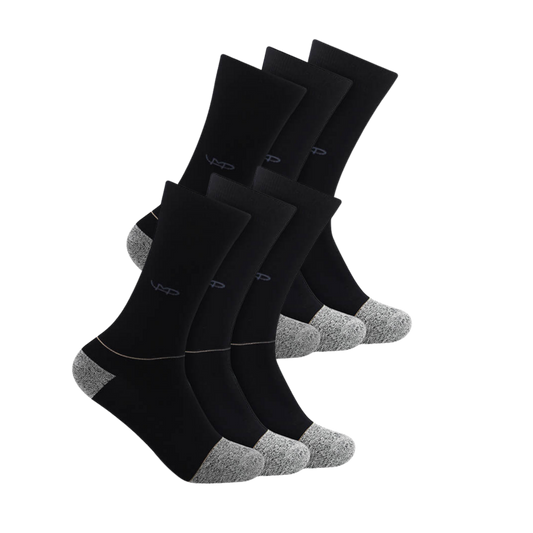
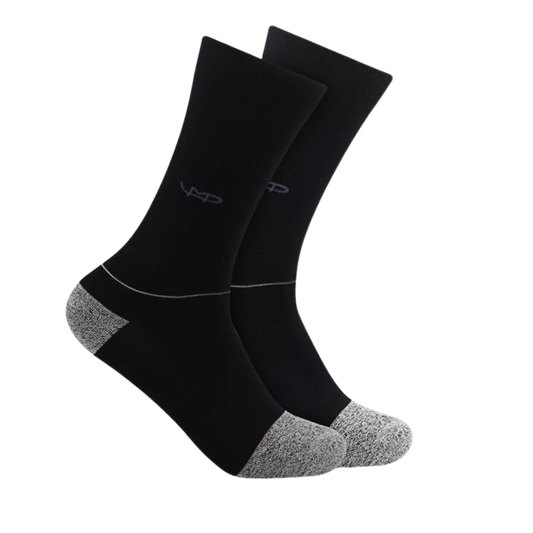
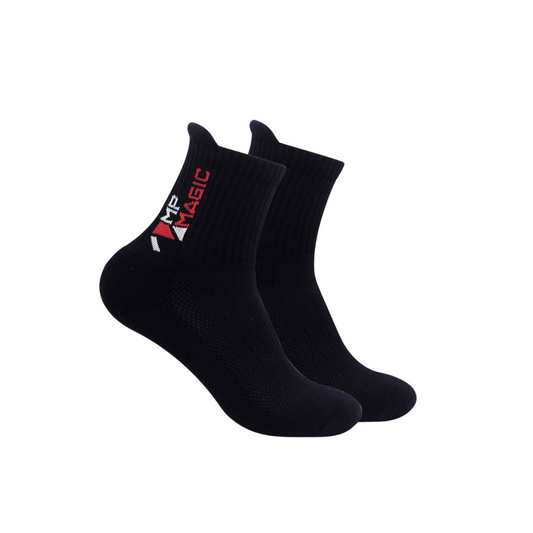
Premium Combed Cotton Antibacterial Crew Socks |
Crew coverage and a cotton-rich feel. Current availability is concentrated in S and M; confirm the live variant before publishing. |
|
Everyday sneakers and a larger rotation |
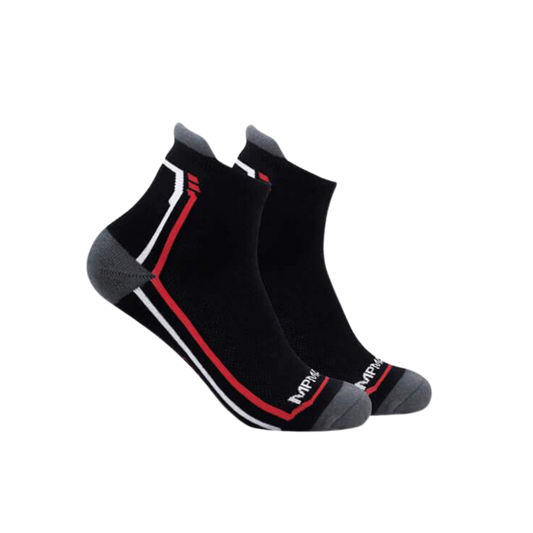
Classic Antibacterial Ankle Socks |
Six-pair format with low ankle coverage. Color availability varies by size; choose crew height if a shoe collar rubs. |
|
Readers who prefer Supima cotton |
Antibacterial Supima Cotton Ankle Socks |
Six-pair option in black or gray with M, L, and XL availability. Choose for the cotton-first feel, not an unverified performance promise. |
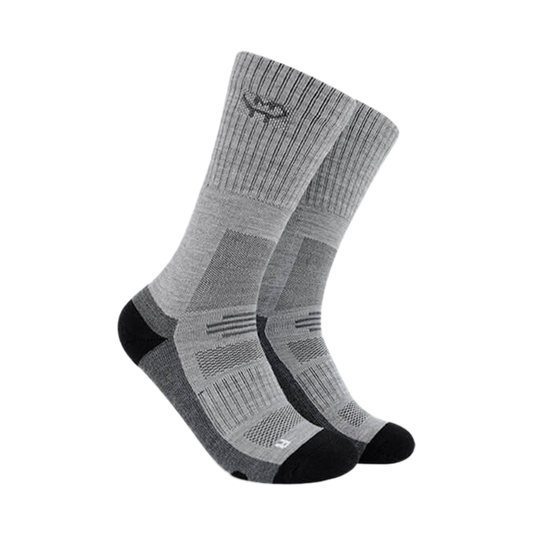
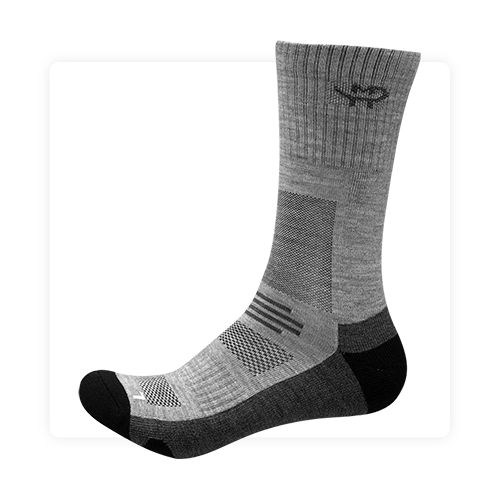
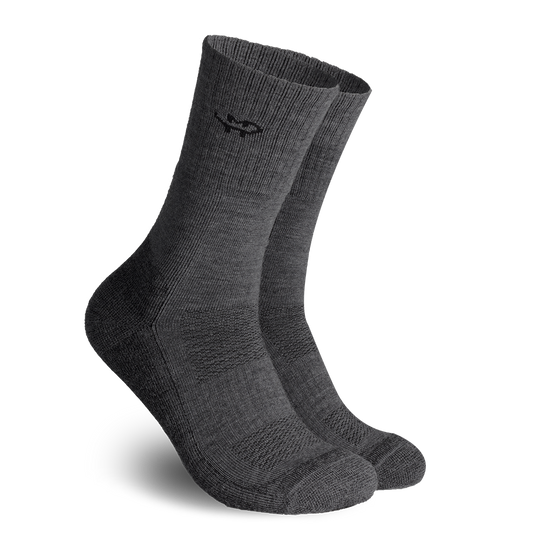
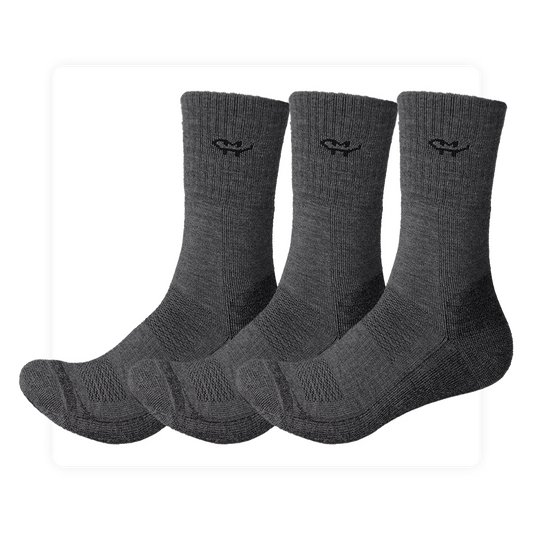
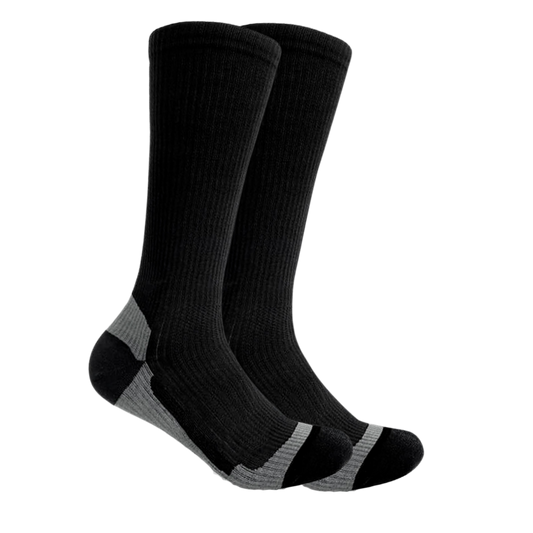
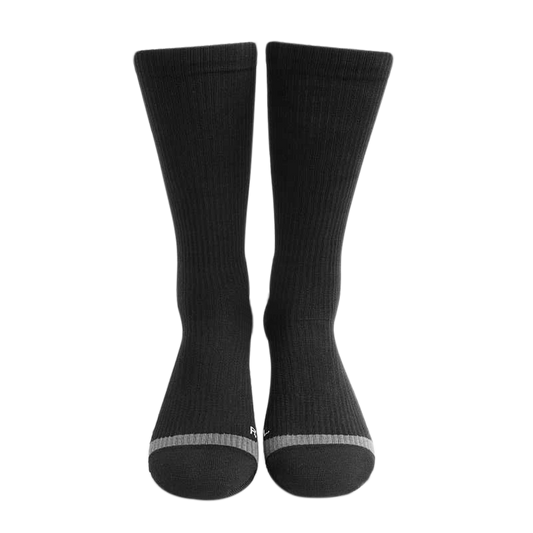
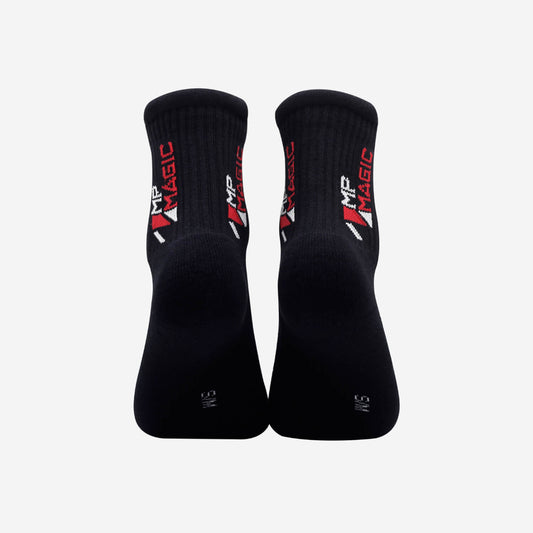
For long workdays or shoes that sit above the ankle, our Premium Combed Cotton Antibacterial Crew Socks provide the most coverage of the three current options. The dark crew silhouette works naturally with work trousers and boots.
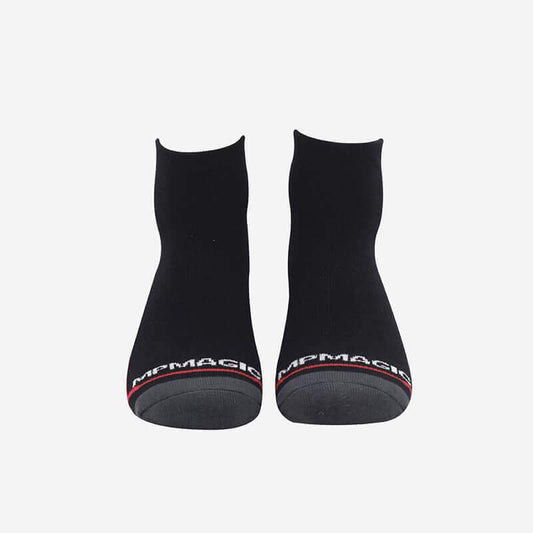
For a simple weekly rotation in low-cut shoes, our Classic Antibacterial Ankle Socks are the most practical starting point. The six-pair pack makes it easier to change socks daily, and we offer several colors depending on size. Choose a crew style instead if the back of the shoe tends to rub above a low cuff.
For readers who want Supima cotton and wear M, L, or XL, our Antibacterial Supima Cotton Ankle Socks offer another six-pair rotation. They are best for everyday sneakers and casual shoes; the low profile provides less coverage for boots or high collars.
Crew Socks Or Ankle Socks For Odor Control
Neither height is automatically more antibacterial. Crew socks cover more of the lower leg and create a larger barrier inside taller footwear. Ankle socks reduce bulk and suit low-cut shoes, but the shoe collar may touch skin above the cuff. Choose the height that stays in place and keeps the shoe from rubbing.

How To Build A Better Sock And Shoe Routine
-
Start each day with clean, completely dry socks.
-
Alternate shoes when possible so each pair can dry fully between wears.
-
Remove insoles for drying when the shoe maker permits it.
-
Wash socks according to the product care label, and dry them before returning them to a drawer or gym bag.
-
Replace socks when the heel or toe is thin, the cuff no longer stays up, or odor remains after proper washing.

Frequently Asked Questions
Do Antibacterial Socks Stop Feet From Sweating
No. Antibacterial features address microbial growth on the fabric; they do not stop perspiration. Breathable shoes, sock changes, and drying time still matter.
Are Antimicrobial Socks A Treatment For Foot Odor
No. They can be one practical part of odor management, but they are not a diagnosis or treatment. Persistent odor or skin symptoms may need professional assessment.
How Often Should Antibacterial Socks Be Washed
Wash them after each normal day of wear unless the specific care guidance says otherwise. Follow the product label for water temperature and drying.
Which Sock Height Is Best For Smelly Feet
The best height is the one that fits the shoe, stays in place, and gives enough coverage to reduce rubbing. Height alone does not determine odor control.
The Bottom Line
Choose antibacterial socks by use case, not by the strongest-sounding claim. The crew option gives more coverage, the classic ankle pack supports an everyday rotation, and the Supima cotton ankle pack suits readers who prioritize a cotton-first feel. Pair any of them with clean feet, dry footwear, and regular washing for a more reliable routine.