Anti-Sweat Socks: How to Choose Socks for Sweaty Feet


Let's be honest: no sock can stop your sweat glands from producing perspiration. What a well-designed sock can do is move or absorb moisture, improve airflow, reduce the clammy feeling inside footwear, and make it easier to change into a dry pair. If odor is the main concern, hygiene, shoe rotation, and a fully dry environment matter alongside the sock.
Key Takeaways
-
Treat “anti-sweat socks” as a shorthand for moisture-management socks, not as a promise that feet will not sweat.
-
Look for explicit moisture-wicking or ventilation features, a secure fit, and a thickness that suits the shoe.
-
Sweat itself is not the same as foot odor. Odor commonly develops when sweat, bacteria, footwear, and drying conditions interact.
-
Change damp socks promptly, alternate shoes, and let footwear dry between wears.
-
Persistent excessive sweating, pain, itching, peeling, cracks, or a strong odor that does not improve deserves advice from a clinician or pharmacist.
What Anti-Sweat Socks Can and Cannot Do
The useful job of a sock is moisture management. A sock can take moisture away from the skin, spread it through the fabric, or hold some moisture until it can evaporate. Results depend on the yarn, knit, thickness, shoe ventilation, activity level, temperature, and how quickly the sock can dry.
A sock cannot diagnose or treat hyperhidrosis, athlete’s foot, bacterial infection, or another medical condition. It also cannot guarantee odor-free feet. Product language should therefore focus on comfort, fabric performance, fit, and care rather than prevention or treatment claims.
The American Academy of Dermatology advises people with sweaty feet to look for socks labeled moisture-wicking, change shoes and socks often, and avoid wearing the same shoes on consecutive days so they can dry.
Sweat and Foot Odor Are Different Problems
Fresh sweat is not automatically strong-smelling. Odor often appears as sweat accumulates and bacteria break down material on the skin or inside footwear. Fungal infections can also cause foot odor. That is why an odor-control sock is only one part of a practical routine.
The NHS guidance on smelly feet recommends keeping feet clean and dry, letting shoes dry before wearing them again, avoiding tight shoes, and changing socks regularly. It also advises seeking medical help when the problem does not improve or affects daily life.
How to Choose Socks for Sweaty Feet
Look for a Clear Moisture-Management Claim
Do not assume every polyester, nylon, cotton, or wool sock behaves the same way. Fiber matters, but yarn shape, knit density, finishing, and ventilation also affect how moisture travels. Look for a specific moisture-wicking or ventilation statement and a product construction that supports it.
Match Thickness to the Shoe
A thick, cushioned sock can be comfortable in a roomy shoe but may make a close-fitting shoe hotter or tighter. A lighter ankle sock can be better for everyday trainers and warm conditions. The sock should not bunch, slide, compress the toes, or change the shoe fit.

Use Ventilation Where It Helps
Mesh zones can improve airflow through the sock, but they cannot overcome a completely non-breathable shoe. Pair ventilated socks with footwear that fits correctly and has enough airflow for the activity.
Choose a Secure, Non-Slipping Fit
A sock that migrates under the foot can create folds and friction. Look for the correct size, a heel that sits in place, and enough stretch to recover without feeling restrictive. If the sock leaves deep marks, causes numbness, or makes the shoe feel crowded, change size or style.
Plan for Rotation
For long workdays, travel, or exercise, a spare dry pair can matter more than a dramatic product claim. Pack enough pairs to change when socks feel damp, and allow washed socks and shoes to dry fully before reuse.
|
Need |
Sock Feature to Prioritize |
Practical Tradeoff |
|---|---|---|
|
Warm-weather daily wear |
Ankle height, mesh ventilation, moderate thickness |
Less lower-leg coverage |
|
Long day in work shoes |
Secure fit, smooth toe, spare pair available |
Shoe ventilation still matters |
|
More coverage |
Crew height and shape-retaining stretch |
Can feel warmer than an ankle sock |
|
Odor concern |
Fresh pair, washable construction, validated odor-control technology |
Does not replace hygiene or medical care |
|
Very heavy sweating |
Moisture-wicking construction and frequent changes |
A clinician may need to address the cause |
MP Magic Options for Sweaty Feet
Our recommendations below are based on the current product-page construction and live variant status. They are intended to help manage comfort and sock moisture; they are not treatments for excessive sweating or infection.
For Everyday Shoes and Warm Conditions
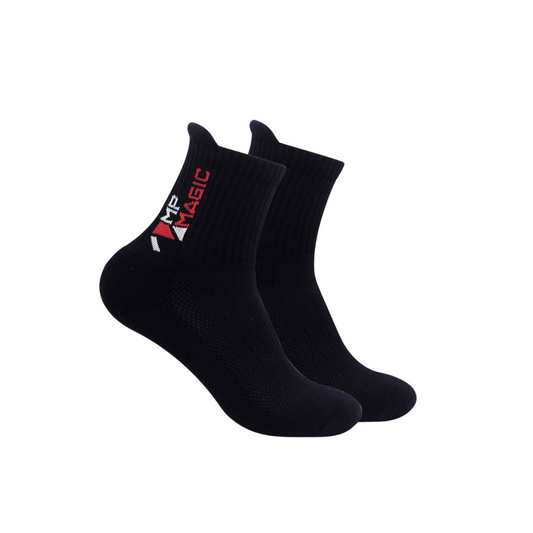
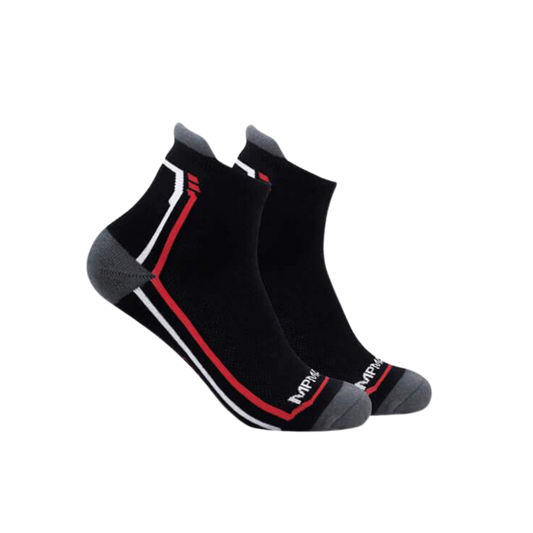
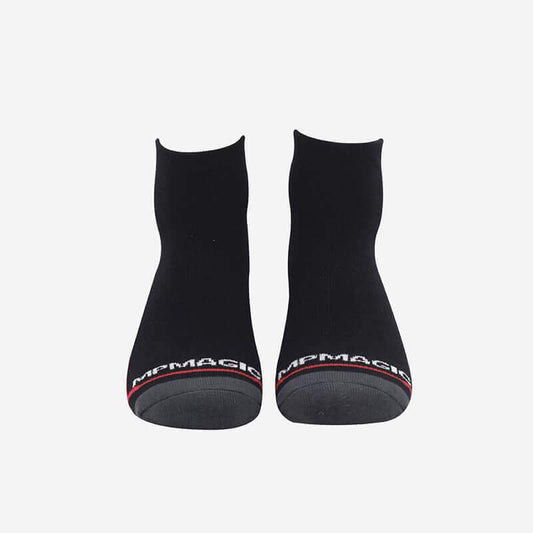
The Classic Antibacterial Ankle Socks (6 Pairs) are the most practical starting point for readers who want ankle height, mesh ventilation, and a multipair rotation. The lower height and ventilated knit suit everyday trainers and casual shoes. Because availability varies by size and color, choose only a variant shown as available on the live product page.

For Crew Coverage and a More Structured Fit
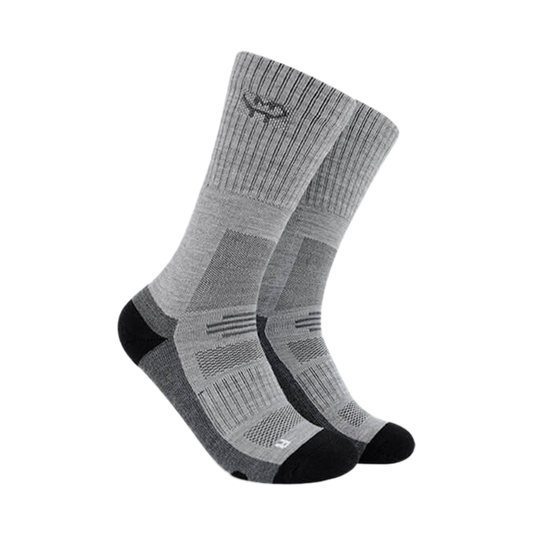
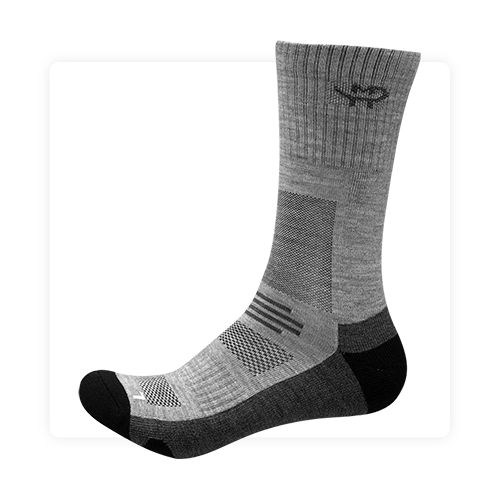
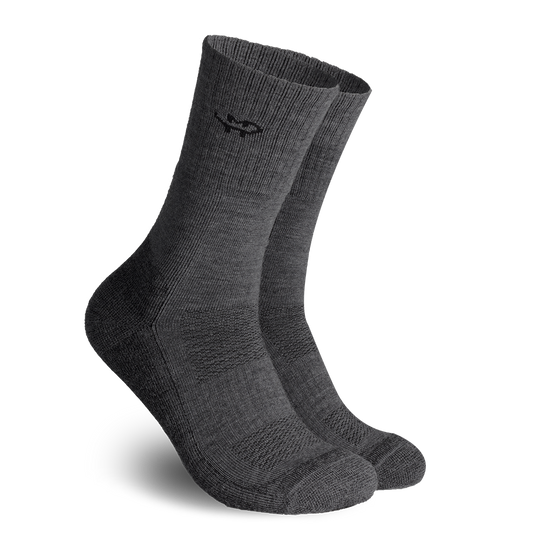
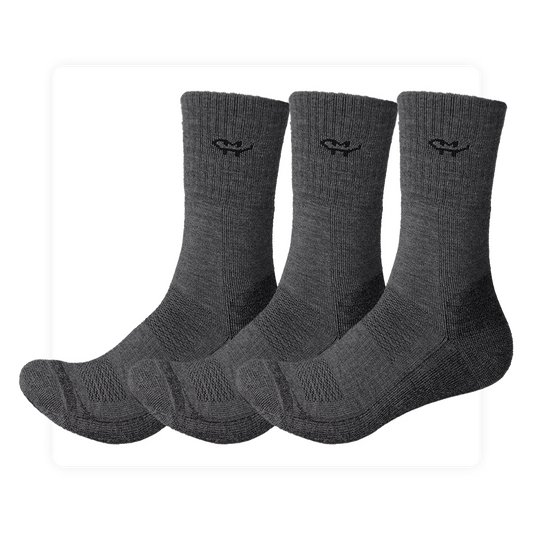
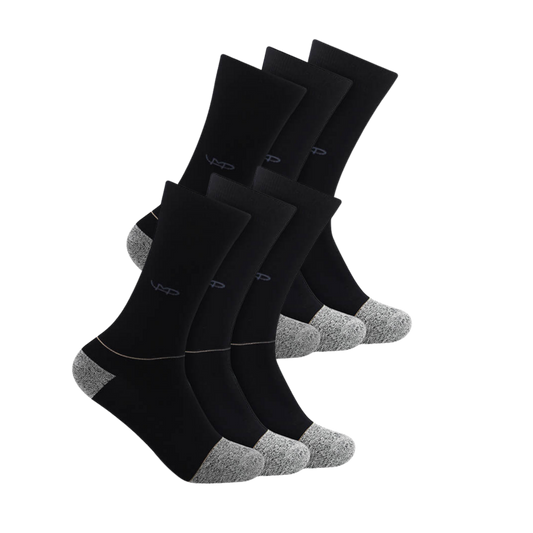
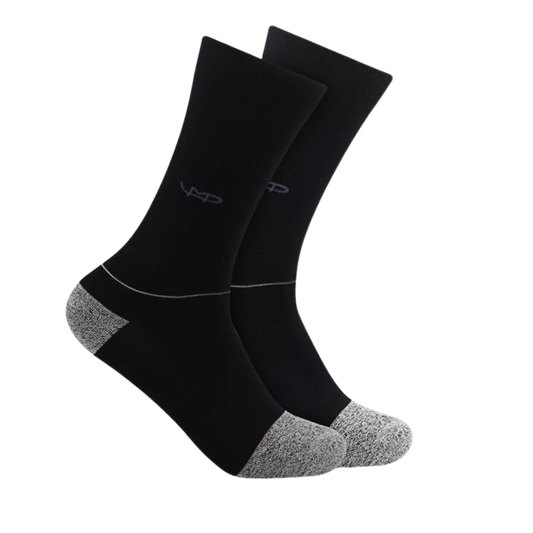
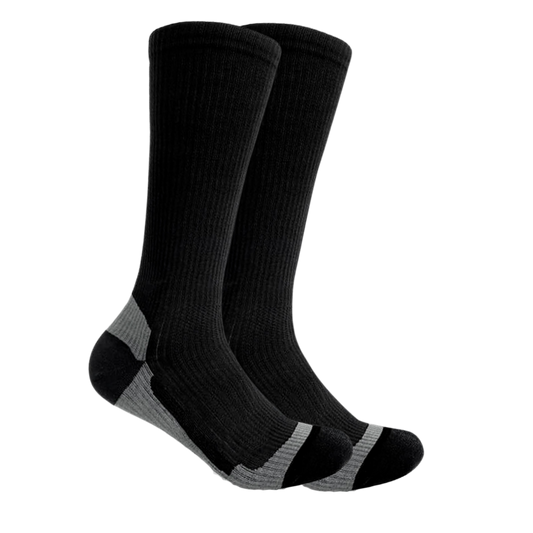
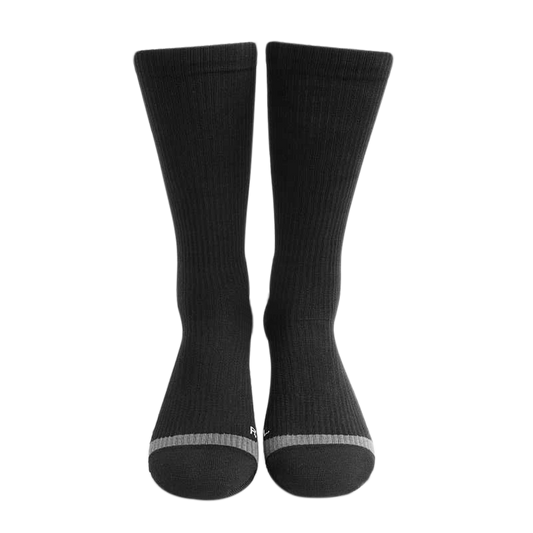
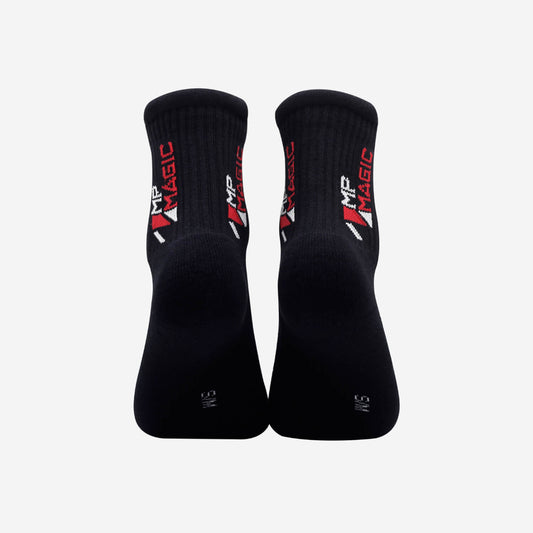
The Premium Antibacterial Crew Socks (3 Pairs) use a crew profile and a LYCRA-supported fit. Choose them when you want more lower-leg coverage and a closer, more structured feel. They may feel warmer than an ankle sock in close-fitting summer footwear. At the time of review, S/M was available, and L/XL was sold out, so this should not be the primary recommendation for larger sizes until stock returns.
For a Cotton-Led Everyday Option
The Antibacterial Supima Cotton Ankle Socks (6 Pairs) offer a familiar cotton-led hand in an ankle format, with Black and Grey variants listed across M, L, and XL when checked. Choose them for everyday rotation if cotton feel is your priority.
A Simple Routine for Sweaty Feet
-
Wash feet daily and dry carefully, especially between the toes.
-
Put on a clean, fully dry pair of socks.
-
Choose shoes that fit and allow appropriate airflow for the activity.
-
Change socks when they become wet; carry a spare pair for long days or exercise.
-
Alternate shoes so each pair can dry before it is worn again.
-
Wash socks after each wear and follow the product care label.
-
Ask a pharmacist or clinician for help if sweating is excessive or symptoms persist.
When Socks Are Not Enough
Excessive sweating can be hyperhidrosis, and persistent odor or skin changes may have another cause. Seek professional advice if sweating interferes with daily life, starts suddenly, does not improve with self-care, or occurs with itching, peeling, cracked skin, pain, sores, or small pits in the sole. People with diabetes, poor circulation, reduced sensation, or immune conditions should use individualized foot-care guidance.
This article provides general buying and care information. It does not replace diagnosis or treatment from a qualified healthcare professional.
Frequently Asked Questions
Do Anti-Sweat Socks Stop Feet From Sweating
No. Socks do not switch off sweat glands. A suitable sock can manage moisture and reduce the wet, clammy feeling, especially when paired with breathable shoes and timely sock changes.
What Socks Are Best for Sweaty Feet
Choose socks that explicitly describe moisture-wicking or ventilation performance, fit without bunching, and have the right thickness for the shoe. For many people, rotation and changing damp socks are just as important as fiber choice.
Are Cotton Socks Good for Sweaty Feet
Cotton can feel soft and absorb moisture, but performance varies by blend and construction. Some cotton socks stay damp during heavy activity, while engineered cotton blends or ventilated knits may perform better. Judge the complete sock, not the fiber name alone.
Can Antibacterial Socks Treat Foot Odor or Infection
No sock should be presented as a treatment for infection. An odor-control or antibacterial textile feature may help manage odor in the fabric when supported by validated testing, but it does not replace washing, drying, shoe rotation, or medical care.
How Often Should Socks Be Changed
Change them at least daily and sooner whenever they feel wet. People with heavy sweating may need more than one change during the day. Wash socks after each wear and let them dry completely.
The Bottom Line
The best anti-sweat sock is a realistic moisture-management tool: it fits well, works with the shoe, and can be changed before it stays wet for hours. Start with ventilated ankle socks for everyday warm-weather wear, choose crew socks when coverage matters more, and keep a spare pair available. If excessive sweating or skin symptoms persist, treat that as a health question rather than expecting a sock to solve it.