Best Socks for Men: A Guide to Everyday Comfort, Work, and Active Days


A drawer full of socks does not always make getting dressed easier. One pair slips into your sneakers, another feels bulky in work shoes, and the pair you like most is still waiting to be washed. Often the problem is not a shortage of socks, but a mismatch between what is in the drawer and what the day requires.
Finding the best socks for men becomes simpler when you start with your shoes and routine. An office day, a workout, and a weekend in boots place different demands on height, fit, and fabric. This guide explains how to compare men's everyday socks, build a useful rotation, and choose MP Magic styles for the situations you actually encounter.
Key Takeaways
- The best sock is the one that fits both your foot and your footwear comfortably.
- Crew socks are a versatile starting point for everyday wear; ankle socks suit lower shoes, while taller styles add coverage.
- Compare thickness, cuff comfort, toe seams, and heel placement alongside fiber content.
- Choose work socks for your actual work environment: office shoes and work boots need different levels of bulk and height.
- Build a rotation around your regular activities, then add specialist pairs only where they solve a real need.
Choose Socks by the Day You Have Planned
Everyday wear and commuting
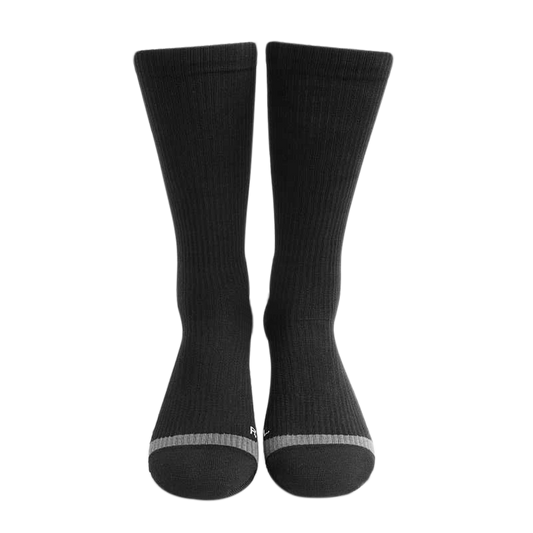
For a day that mixes a commute, indoor work, and errands, a crew sock is a useful starting point. It covers the ankle above most low shoes and sits naturally under trousers or jeans. Choose a thickness that lets you move your toes freely once your shoes are fastened. If a sock feels comfortable at home but crowded inside your shoes, the pairing needs adjusting.
Neutral colors are easy to rotate. Black or grey can work with a darker wardrobe, while white crews suit a visible casual look with sneakers. Our guides to black socks and white socks explore those choices in more detail.
Office days and smart shoes
The best socks for work depend on what work looks like. In an office, prioritize a smooth feel, appropriate coverage when seated, and a thickness that suits your shoes. A bulky cushion can make a well-fitting leather shoe feel tight. Try the socks with the trousers and shoes you will wear, then sit down to check how much leg is exposed.
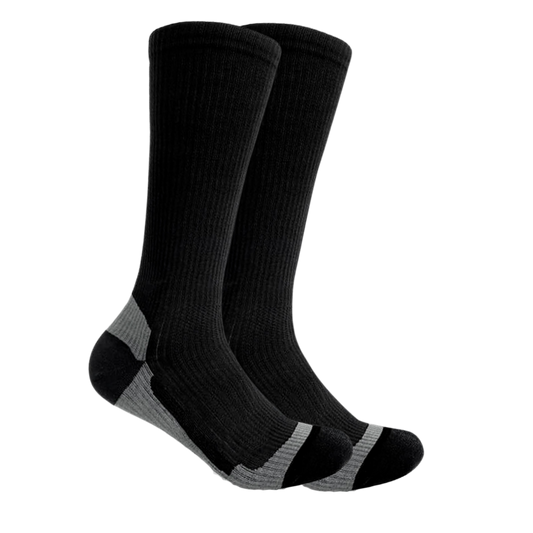
Dark crew socks are a simple everyday option; an over-the-calf style may suit someone who wants uninterrupted coverage beneath tailored trousers. Height is a preference and outfit choice, so choose what stays comfortable throughout the day rather than treating one length as universally correct.
Work boots and outdoor jobs
With boots, match the sock cuff to the boot collar first. The cuff should finish above the edge that would otherwise rub your leg. Then check cushioning and room inside the boot. More padding can change the fit substantially, particularly over the toes and instep.
Try the combination while walking and bending, not just standing. A fold beneath the foot or a heel pocket that moves is a reason to reconsider the size or shape. Use our boot socks guide for a closer look at work, hiking, and winter footwear.
Training and active days
For exercise, pay attention to how securely the sock stays in place, whether the toe area bunches, and how it feels once you begin sweating. An ankle sock works with many low training shoes, provided the cuff protects the contact points around the collar. A crew gives more coverage if that suits your activity or preference.
A familiar casual sock can be fine for a short, easy session. For repeated hard workouts, choose a construction intended for that activity and test it over a shorter session before a long outing. Change into a fresh pair when socks become damp; no fabric choice removes the need to manage wet footwear.
Cooler weather and weekends
Merino wool styles are worth comparing if you like wool socks for cooler days. Match the construction to your shoes: lightweight merino can be easier to accommodate in everyday footwear, while roomier boots may allow a fuller sock. Warmth is a property of the whole outfit and environment, so do not assume a particular fiber or tall cuff guarantees warm feet.
Match Sock Height to Your Shoes

- No-show: for a hidden-sock look with suitable low shoes; check that the heel stays in place and the shoe does not rub uncovered skin.
- Ankle: for low footwear when you prefer less visible fabric; the cuff should remain above the shoe's contact points.
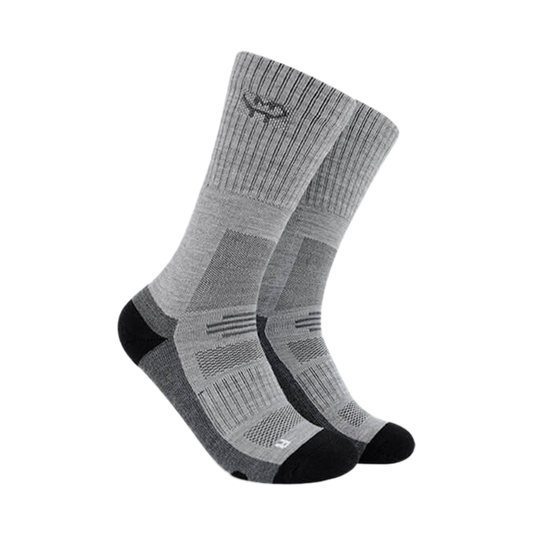
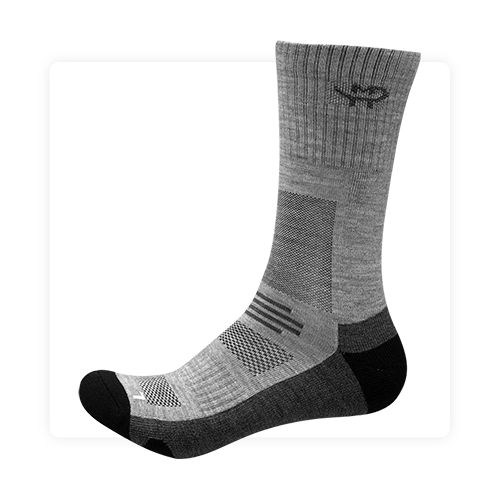
- Crew: a flexible choice for casual shoes, many work shoes, and some shorter boots.
- Calf or knee-high: for more coverage, taller footwear, or a personal preference for a longer sock; check the fit along the leg as well as the foot.
Names do not give an exact finished height across every brand or style. Look at the product photographs and dimensions when available, and compare them with your footwear. For a fuller discussion of taller options, see our knee-high socks guide.
Compare Materials and Construction Together
Cotton and Supima cotton
Cotton socks are a familiar option for everyday casual wear. If you like the feel of cotton, compare regular cotton, combed cotton, and Supima styles by the actual knit, thickness, and fit. A premium fiber name does not tell you how tight the cuff will feel or whether the toe seam will suit your foot.
Pay attention to what happens during your own routine. A pair that is comfortable for desk work may feel different after a long, sweaty walk. Use the product's intended use and your experience in the shoes as the final check.
Merino wool
Merino socks come in different weights and blends, so they are not all heavy winter socks. A lightweight crew and a fuller boot sock can feel quite different, even when both use merino. Start with the shoe fit and the kind of coverage you want, then compare the individual styles.
In a four-day field trial involving 37 military recruits, a 50% merino wool blend was rated more comfortable and less damp than an almost entirely polypropylene sock after daily 6.5-km marches. That result concerns those two constructions in military footwear; it is not proof that every wool sock outperforms every synthetic sock. It does show why a simple fiber label is an incomplete guide to how a finished sock feels.
Synthetic fibers, stretch, and the knit
Blended socks can use different fibers for structure, stretch, and moisture handling. Examine the whole construction: a sock needs enough stretch to follow your foot without bunching, a cuff you can tolerate, and a knit suited to the intended conditions. Neither a higher natural-fiber percentage nor a longer ingredient list automatically makes the better pair.
A walking study with ten women in their twenties compared a cotton-blend mesh sock with commercial plain-knit summer socks mainly made from polyester and wool. Humidity in the mesh sock recovered faster after shoes were removed, but it was somewhat less effective at suppressing humidity during wear. Material and knit changed together in this comparison, so it cannot isolate fiber effects. It illustrates why one description such as “breathable” does not capture every wearing condition.
MP Magic Socks to Compare for Your Routine
Our cotton, merino, crew, and ankle styles suit different everyday routines. Start with the material and coverage you enjoy, then choose the pair that works with your usual shoes.
For everyday cotton crews
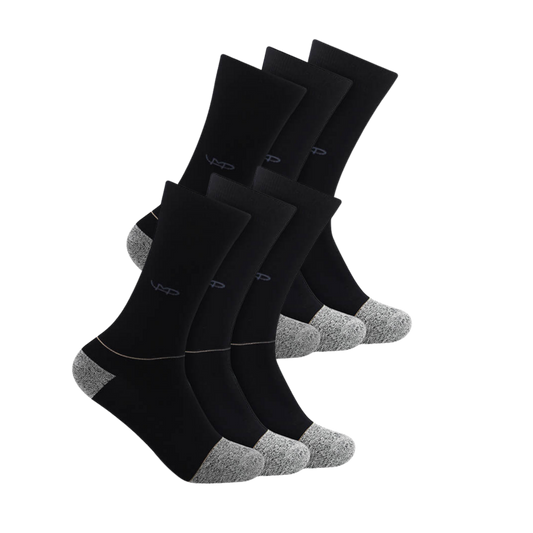
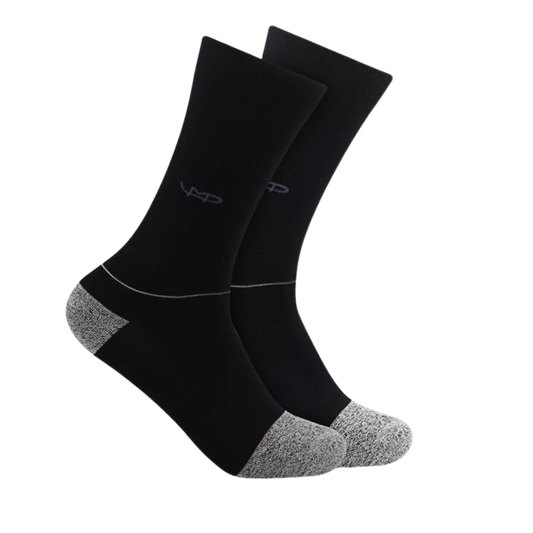
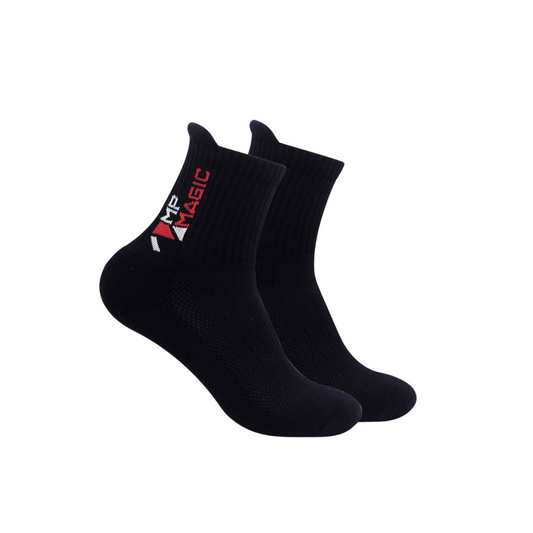
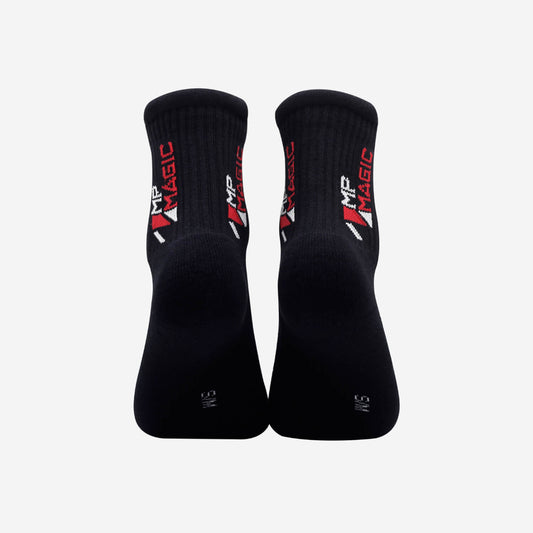
MP Magic Supima Cotton Crew Socks combine Supima cotton with crew coverage for casual outfits, commuting, and everyday office wear. For a straightforward cotton basic, MP MAGIC Cotton Crew Socks offer the same versatile crew height for men who want an easy staple to wear with jeans, chinos, and sneakers.

For a merino crew rotation
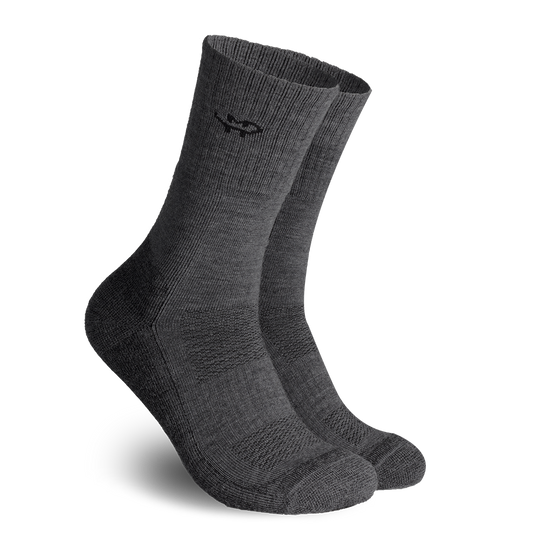
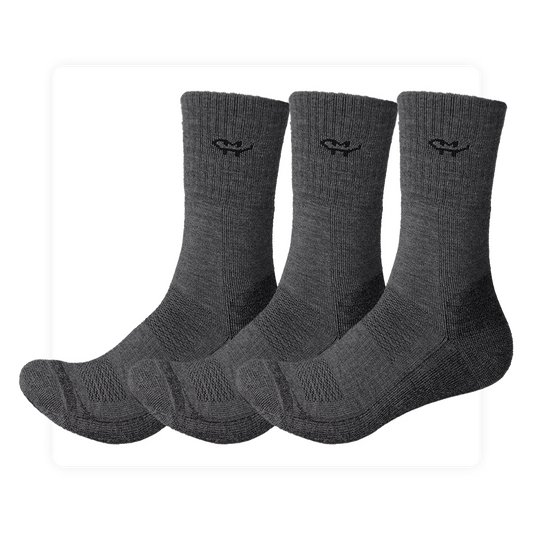
Classic 2.0 Merino Wool Crew Socks combine merino wool with crew coverage for men who like wool socks as part of their regular wardrobe. They suit commuting, casual workdays, and relaxed weekends. Classic Basic Merino Wool Crew Socks provide another everyday merino crew option for men who prefer a simple wool staple for cooler days.
For a lighter merino option
Lightweight Merino Wool Crew Socks offer a lighter merino construction with crew coverage. They suit men who prefer less bulk in their everyday shoes, particularly for indoor workdays, mild weather, and an easy transition from the commute to the office.
For low shoes and ankle coverage
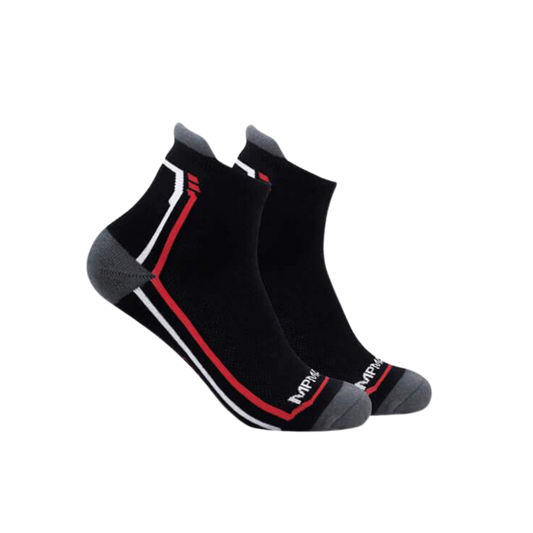
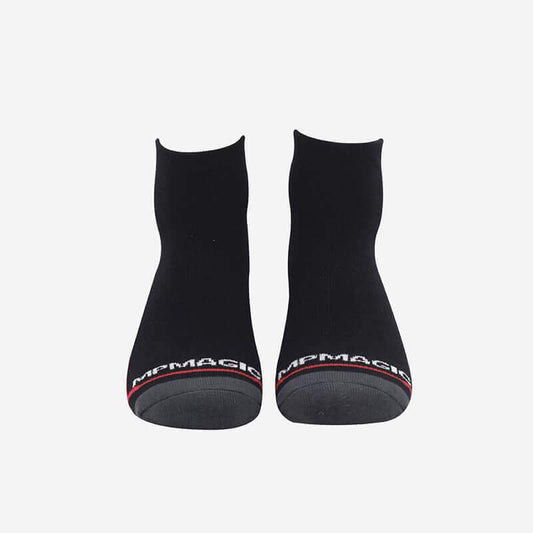
Classic Antibacterial Ankle Socks and Antibacterial Supima Cotton Ankle Socks offer a shorter silhouette for low shoes and casual sneakers. They suit men who prefer less fabric around the lower leg, while the Supima option brings cotton to that everyday ankle-height style.
For another cotton crew option
Premium Combed Cotton Antibacterial Crew Socks combine combed cotton with crew coverage for everyday casual wear. They suit men who enjoy cotton socks and want a familiar style to pair with jeans, chinos, or sneakers throughout the week.
For more leg coverage
Compression Merino Wool Knee-high Socks combine merino wool with a knee-high silhouette and a closer fit along the leg. They suit men who prefer more coverage under trousers or with taller footwear.
Check Fit Before Buying a Larger Pack
- Use the size chart for the exact style and check which sizing system it uses.
- Position the heel pocket on your heel. It should not ride under the arch or far up the ankle.
- Smooth the toes and sole. There should be no folds under the foot or excess fabric crowded into the shoe.
- Fasten your usual shoes and walk around. Check toe room, seam pressure, and whether the heel slips.
- Sit and bend your ankles. The cuff should stay comfortable without needing constant adjustment.
- After washing according to the label, check whether the pair still fits the way you want.
These checks are more useful than buying a large pack because the fabric sounds promising. Once a style works well, repeating it makes the drawer easier to manage.
Build a Sock Rotation That Matches Your Week
Count the ordinary days between laundry loads, then allow extra pairs for workouts, wet weather, or changing after a long day. A person who washes twice a week needs a different rotation from someone doing one weekly load. Begin with your most frequently worn everyday style and add ankle or boot pairs for the activities that need them.
Keep a fresh pair available for days when socks become damp. Follow each pair's care label, separate colors as needed, and let socks dry fully before storage. Replace pairs when thinning, holes, stretched cuffs, or persistent bunching make them uncomfortable. Our size guide is a useful starting point, but the individual product chart should guide the final selection.
Frequently Asked Questions
What are the best socks for men to wear every day?
A well-fitting crew is a versatile starting point for many wardrobes. Choose cotton or merino according to your preferred feel and routine, then match thickness to your shoes. If you mostly wear low casual shoes and prefer less coverage, an ankle style may be more useful.
What are the best socks for work?
For office shoes, prioritize a smooth fit and suitable coverage under trousers. For work boots, choose enough height to sit above the collar and cushioning that still leaves room inside the boot. Work setting and footwear matter more than the word “work” on the label.
Are thicker socks more comfortable?
Only when they suit the shoe and activity. Extra padding can feel good in roomy footwear but uncomfortable in a close-fitting shoe. Try the complete combination before deciding.
Should men choose crew or ankle socks?
Choose crew for more coverage and a visible sock with many casual outfits. Choose ankle for lower shoes when you prefer a shorter silhouette. In either case, keep the sock above any shoe edge that rubs.
How many pairs of everyday socks do I need?
Enough for a fresh pair each day between washes, plus extras for exercise or damp conditions. Your laundry schedule gives a more useful answer than a fixed number for everyone.
Can one style cover every activity?
One reliable crew can cover many ordinary days. Boots, hard training, and particular outfit preferences may call for a different height or construction. Build from the pair you wear most rather than buying every category at once.
Choose Your Everyday Starting Point
Start with the shoes you wear most, choose a suitable height, and check the fit before expanding your rotation. Explore MP Magic socks to compare cotton, merino, crew, and ankle options around your own week.