Best Boot Socks for Work, Hiking, and Cold Weather


A good pair of boots can feel completely different by the end of a long day. The leather that felt supportive in the morning may start rubbing at the ankle, the toe box may feel crowded, or damp fabric may begin to crease under the foot. The sock is the layer that sits between all of that structure and your skin, so a small change in height, thickness, or fit can make a noticeable difference.
The best boot socks are therefore not one universal style. They should match the height and internal volume of the boot, the weather, and the amount of walking or standing you expect. This guide explains how to choose socks for work boots, hiking boots, winter boots, and everyday styles, then compares three MP Magic options for different kinds of wear.
Key Takeaways
- Choose a sock that extends above the boot cuff and stays smooth without folding.
- Match thickness to the room inside the boot; more cushioning is not always more comfortable.
- Use the activity and weather to choose between cotton-nylon and merino wool blends.
- Pay attention to heel placement, toe seams, cuff hold, and dampness during a real walking test.
- Work, hiking, and winter boots may need different socks even when they are worn by the same person.
What Makes a Sock Work Well Inside Boots?
Boots usually have a taller shaft, firmer upper, and less forgiving fit than casual shoes. That changes what the sock needs to do.
Enough Height to Clear the Cuff
The sock should reach above the highest point that touches your leg. If it ends inside the shaft, the cuff can press the sock edge into the skin. Calf socks suit many hiking and work boots, while taller winter or riding boots may need an over-the-calf or knee-high pair.
A Secure Fit Without Wrinkles
The heel pocket should sit around the heel, the toe area should lie flat, and the shaft should stay up during movement. Excess length can fold under the forefoot; a loose cuff can slide down and collect around the ankle. Either problem can create a pressure point inside a firm boot.
Thickness That Respects Boot Volume
Thicker fabric adds cushioning and insulation, but it also occupies space. In a close-fitting boot, that extra volume can crowd the toes or change where the heel sits. A roomier work or winter boot may accommodate a more cushioned sock. Test the sock with the exact boot, footbed, and lacing tension you use.
Construction That Matches the Wear Zone
Look at where the boot puts pressure: under the heel, across the toes, around the ankle, or against the shin. Cushioning is most useful when it protects those areas without making the entire sock bulky. A smooth toe area, stable heel pocket, and resilient cuff matter just as much as a soft hand feel.
Choose Boot Socks by Activity
Socks for Work Boots
Long shifts often combine standing, repeated walking, warm indoor areas, and outdoor weather. Start with a calf-height sock that clears the boot collar. Choose enough cushioning for hard surfaces, then check that the boot still closes comfortably over the instep and toes. A durable synthetic component can help the knit keep its shape in high-wear areas.
Socks for Hiking Boots
Hiking changes pressure throughout the stride and adds downhill movement, where the foot can slide forward. A close heel fit and a smooth toe area are especially useful. For warm conditions or shorter walks, a lighter calf sock may feel less bulky. For cool conditions or longer outings, a merino blend can add warmth while still fitting inside the boot.
Socks for Winter Boots
Insulation works best when the foot still has room. If a thick sock makes the toes press together or forces the boot to close more tightly, it may reduce comfort. Begin with dry liners and a dry pair of socks, then compare light and cushioned options in the actual boot rather than choosing by thickness alone.
Socks for Tall Casual or Riding-Inspired Boots
Here, shaft height and a smooth profile matter most. Choose a sock that reaches above the rub point and stays up without a folded cuff. A fine-gauge crew sock may work with an ankle boot, while a knee-high pair is usually more practical under a tall shaft.

Moisture, Friction, and Blister Risk
Moisture changes how fabric and skin interact, but fiber name alone does not predict the whole result. A laboratory study comparing a polypropylene sock with a merino-polypropylene-polyamide blend found differences in water uptake and boot microclimate temperature, yet no detectable differences in the skin measurements tracked during the trial. The sock fabric and boot microclimate study is a useful reminder to assess the complete sock-and-boot system.
Construction also matters. In a military recruit study, blister outcomes differed among three specific boot-sock systems, including variations in sock density and the use of a polyester liner. Those results do not make one setup correct for every person, but the boot-sock system study shows why fit and layering need to be tested as a combination rather than assumed from a material label.
For everyday use, start with one smooth pair. If you use a liner system for long-distance hiking or work, test it on a short outing first. Stop and adjust when you notice a hot spot, crease, numbness, or persistent dampness instead of waiting for discomfort to become a blister.
Which Materials Work Best for Boot Socks?
Merino Wool Blends
Merino wool can absorb moisture within the fiber and provide a warm, comfortable feel across changing conditions. Blending it with nylon or other performance fibers can add strength, stretch, and shape retention. Compare the full blend and knit rather than judging the pair by wool content alone.
Cotton-Nylon Blends
A cotton-rich feel can be comfortable for everyday work, travel, and mild-weather walking. Nylon can add durability and help the sock hold its structure. For long, wet, or cold outings, consider how quickly the complete sock dries and whether you can change into a fresh pair.
Performance Synthetics
Nylon, polyester, and polypropylene can contribute durability, lower water uptake, or quicker drying, depending on the yarn and knit. Elastane or spandex supports stretch and recovery. These fibers are not interchangeable; the finished construction determines how the sock feels inside the boot.
How to Check Fit Before a Full Day
- Put on the exact sock, boot, and footbed you plan to use.
- Confirm the heel pocket sits correctly and the toe area is flat.
- Lace or fasten the boot normally; do not loosen it simply to accommodate excess sock bulk.
- Walk on level ground, climb stairs, and flex the ankle.
- Check the toe box, heel, ankle bones, and cuff for pressure or movement.
- After 20 to 30 minutes, notice whether the sock has slipped, wrinkled, or become uncomfortably damp.
MP Magic Boot Socks to Compare
These three MP Magic styles cover different combinations of height, warmth, and everyday versatility. The best choice depends on the boot rather than the product name alone.
Cotton Nylon Blend Hiking Calf Socks
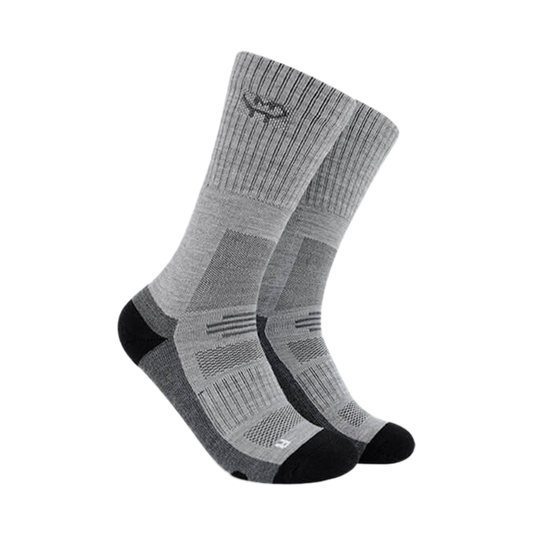
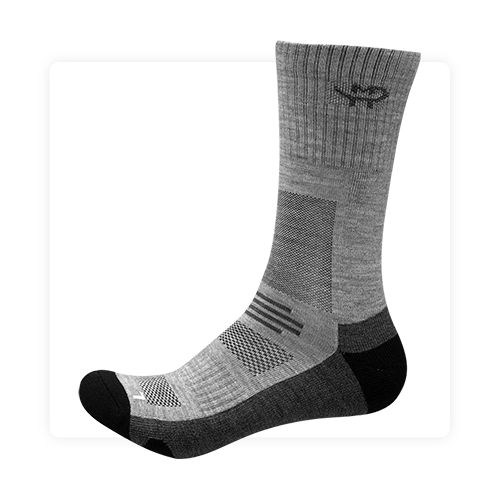
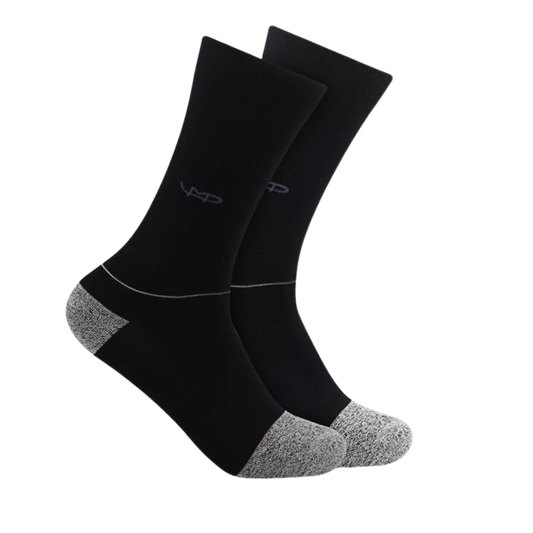
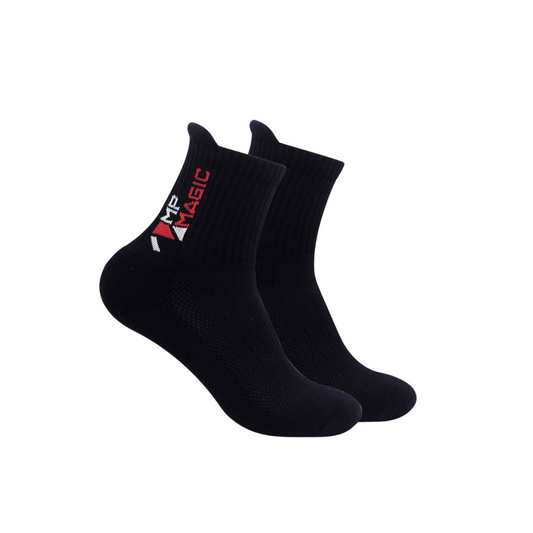
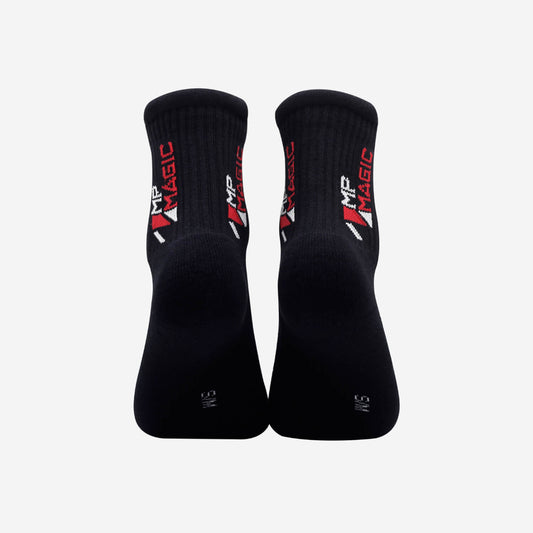
The MP Magic Cotton Nylon Blend Hiking Calf Socks are the most direct option for hiking and everyday boots in mild or warm conditions. The calf height helps clear many boot collars, while the cotton-nylon construction gives a familiar feel with added structure. They are available in S/M and L/XL, so use the product size chart rather than guessing from a one-size label.

Classic Basic Merino Wool Crew Socks
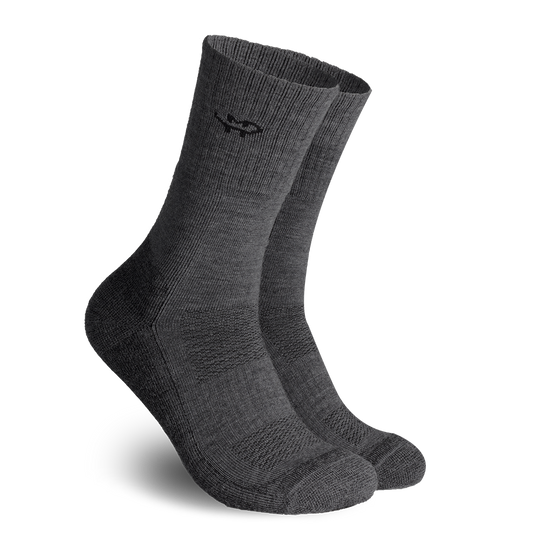
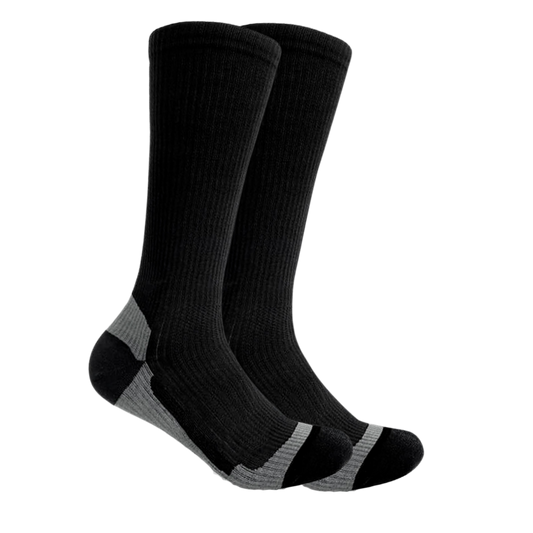
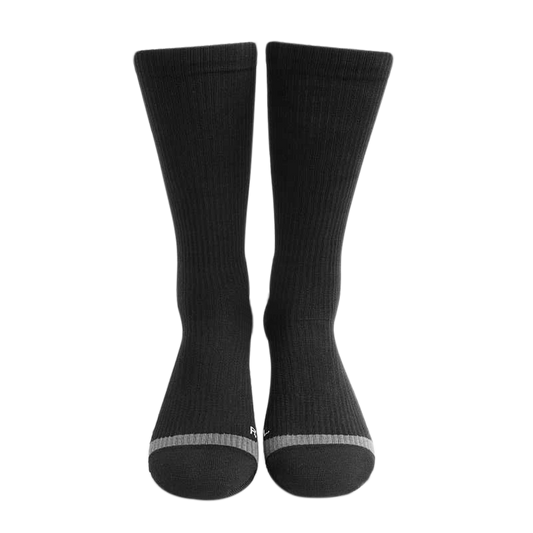
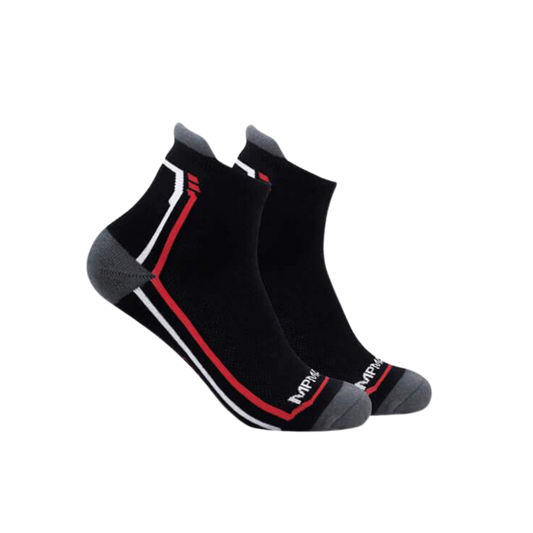
The MP Magic Classic Basic Merino Wool Crew Socks offer a merino blend in a crew profile for cooler days, casual boots, and everyday wear. Check where the cuff lands in your boot: if it ends below a tall shaft, choose a longer sock for that pair of boots.
Lightweight Merino Wool Crew Socks
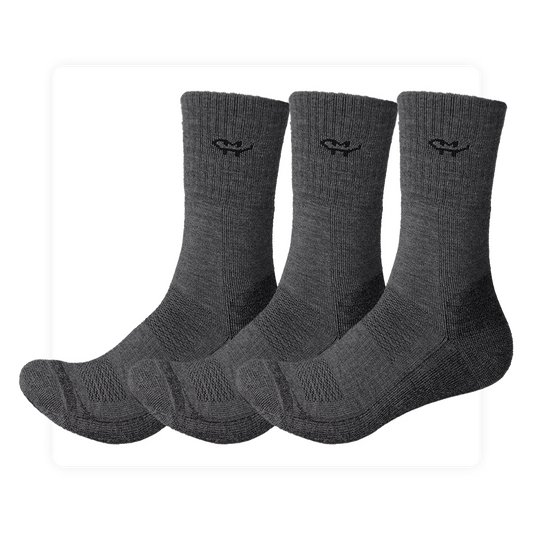
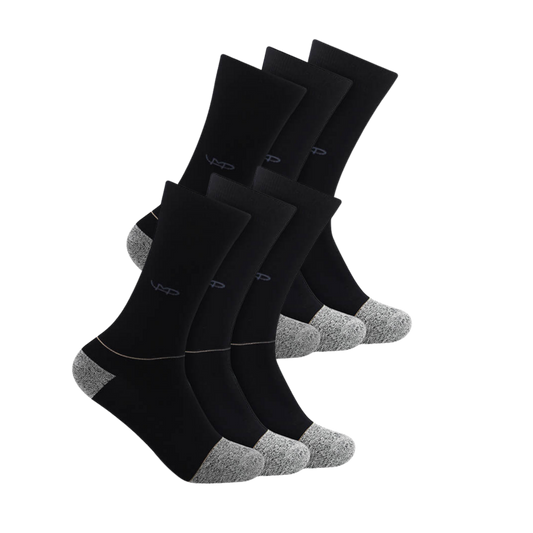
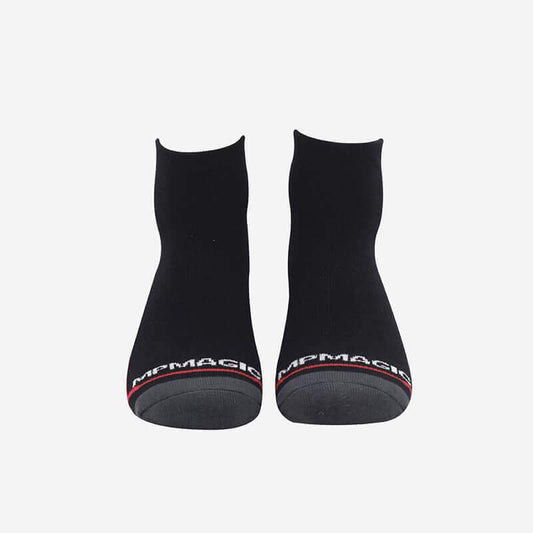
The MP Magic Lightweight Merino Wool Crew Socks are designed for a lighter feel than a traditional heavy winter sock. They are worth comparing when the boot already fits closely or when you want merino comfort without filling as much space. The current pack contains six pairs and is offered in multiple sizes.
All MP Magic socks use MP Special Yarn for antibacterial and deodorant performance. If you are troubled by stinky feet, MP socks are a good go-to.
Care and Rotation
Follow the care label for the specific pair. Remove socks from the boot after wear and let both the socks and boot liners dry. For repeated workdays or a multi-day trip, rotate enough pairs that you can start each day with a clean, fully dry sock.
Replace a pair when the heel or toe becomes thin, the cuff no longer stays up, or the fabric begins to bunch. Those changes can alter the fit even before a hole appears.
Frequently Asked Questions
Should Boot Socks Be Thick?
Only if the boot has room for them. A thick sock can add cushioning, but it can also crowd the toes or change heel placement. Choose thickness after checking the complete fit.
How High Should Boot Socks Be?
The sock should extend above the point where the boot cuff touches the leg. Calf socks suit many work and hiking boots; tall winter or riding boots may require knee-high coverage.
Are Merino Wool Socks Good for Work Boots?
They can be, especially in cool or changing conditions. Compare the finished blend, thickness, cushioning, and drying needs with your work environment and boot space.
Can You Wear Two Pairs of Socks in Boots?
A liner-and-outer-sock system can work in some setups, but two ordinary pairs may wrinkle or make the boot too tight. Test any layered system before a long shift or hike.
Why Do My Socks Slide Down Inside Boots?
The size may be too large, the cuff may have lost recovery, or the boot shaft may be dragging the fabric downward. Check the heel position and cuff height, then try a better-fitting size or taller style.
Choose the Sock With the Boot
The best boot socks disappear once the boots are on. They clear the cuff, stay smooth, protect the areas that need cushioning, and leave enough room for the foot to move naturally. Start with the boot and the activity, then choose the height, material, and thickness that complete the system.