Cashmere Socks vs Merino Wool Socks for Everyday Comfort


Luxury socks are no longer just about appearance. Materials like cashmere and merino wool now play a functional role in warmth, breathability, moisture control, and long-term comfort. While both fibers are premium natural materials, they behave very differently once worn on the foot. Understanding those differences helps you choose the right sock for daily wear, work, travel, winter weather, or extended use.
This guide breaks down whether cashmere socks are truly worth it, how they compare with merino wool socks, and which material performs better across real-life situations.
Key Takeaways
-
Choose cashmere when a plush feel and relaxed indoor wear are your priorities.
-
Choose a Merino blend for a versatile everyday sock, then match its thickness to your shoes.
-
Compare the finished socks, rather than assuming one fiber is always warmer or more durable.
-
Look at reinforcement and washing instructions alongside the fiber percentage.
When Cashmere Socks Are Worth It
Cashmere comes from the soft undercoat of cashmere goats. Its appeal is easy to understand: a fine, gentle feel that makes a pair of socks a thoughtful gift or a small comfort on a quiet evening.
For lounging, reading, or slipping into house shoes, that texture may be exactly what you want. As one concrete example, Johnstons of Elgin’s cashmere socks combine 90% cashmere with 10% nylon, and the brand recommends wearing them at home or with slippers. Even a luxury sock can use a supporting fiber in its blend.
If you plan to wear cashmere inside shoes all day, choose a style made for that purpose. A delicate lounge knit and a reinforced everyday sock have different jobs. You will get more enjoyment from either when its construction matches your routine.

Cashmere vs Wool Socks at a Glance
Merino is a type of sheep’s wool. In a cashmere vs wool socks comparison, the specific wool and the finished knit matter more than a broad “wool” label.
|
What Matters |
Cashmere Socks |
Merino Wool Socks |
|---|---|---|
|
Feel |
Often chosen for a plush, luxurious touch |
Fine Merino can feel soft in a smooth or cushioned knit |
|
Warmth |
Depends on loft, thickness, and fit |
Depends on loft, thickness, and fit |
|
Daily Wear |
Choose a construction intended for shoes |
Reinforced blends are a useful everyday option |
|
Moisture Comfort |
Varies with the whole blend and knit |
Wool can absorb moisture vapor; shoe ventilation still matters |
|
Care |
Many styles need gentle hand washing |
Some are machine washable; follow the individual label |
|
Best Starting Point |
Lounging, slippers, or a special gift |
Commuting, travel, and everyday shoes |
Softness and Skin Feel
Both fibers can feel comfortable next to the skin. Fiber fineness, yarn, seams, and the way the sock fits all contribute to that first impression. A thick, fluffy sock may feel wonderfully soft in slippers but crowded inside a close-fitting shoe.
For everyday use, pay attention to the heel sitting in the right place, enough room at the toes, and a cuff that stays comfortably in position. Those details can matter as much as the fiber on the label.
Moisture and Odor
Merino’s ability to absorb moisture vapor is one reason we like it for an everyday sock drawer. Woolmark explains how the wool fiber manages moisture and odor. This can contribute to comfort through changes between a cool commute and a warmer indoor space.
A finished sock also needs the right knit, supporting yarns, and footwear. Neither cashmere nor Merino stops feet from sweating, and natural odor resistance is not a promise that socks never need washing. For a fuller guide to a fresher daily routine, see our advice on socks for sweaty feet.
Durability and Reinforcement
The heel and toe take repeated friction inside shoes. Nylon and other supporting fibers can help a wool sock handle that work; Woolmark’s guide to performance wool socks describes nylon’s role in abrasion resistance.
A higher natural-fiber percentage is therefore only one part of the decision. A reinforced blend, suitable size, and a gentle laundry routine can make a better everyday combination than choosing by percentage alone.
Are Merino Socks Warmer Than Cashmere
Not automatically. A thick cashmere lounge sock may feel warmer than a lightweight Merino dress sock, while a cushioned Merino pair may suit a cold commute better than a fine cashmere knit. Compare socks of similar thickness and intended use before drawing conclusions about the fiber.
If you are looking for the best wool socks for winter, start with the shoes or boots you will wear. Leave room for your toes and avoid squeezing a bulky pair into shoes that already fit closely. For a day that moves between outdoors and heated rooms, a comfortable Merino crew is an easy place to start.
On wet days, footwear matters too. Warm socks work best as part of an outfit that keeps rain and snow out; carry a dry spare pair for longer outings.
Choosing Merino Socks for Your Routine
Our Merino styles offer different blends and heights, so you can choose around your shoes and the amount of coverage you enjoy.
Classic Crew Socks for Everyday Wear

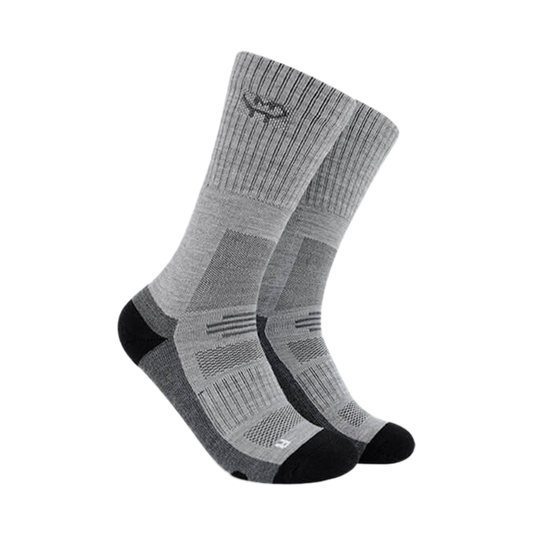
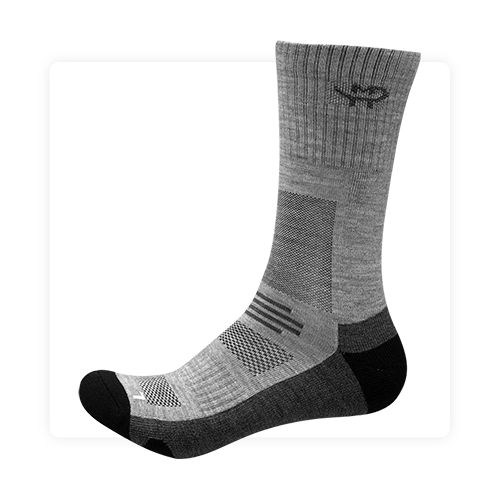
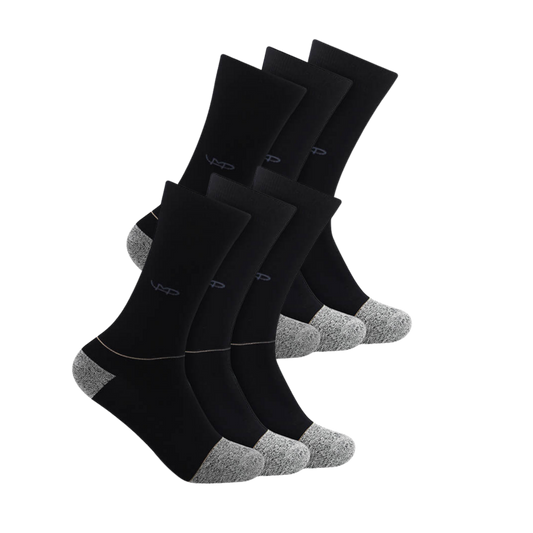
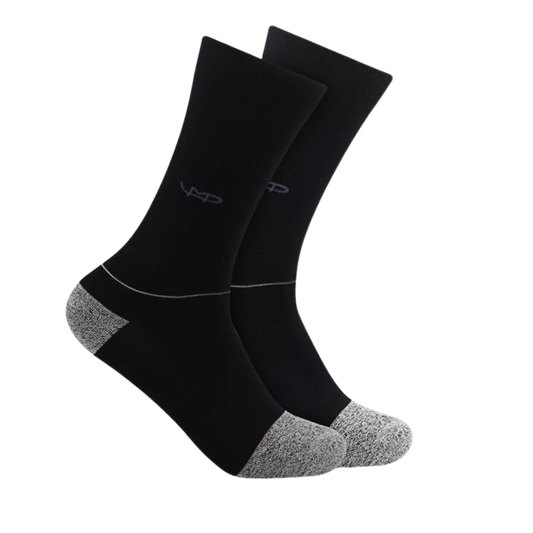
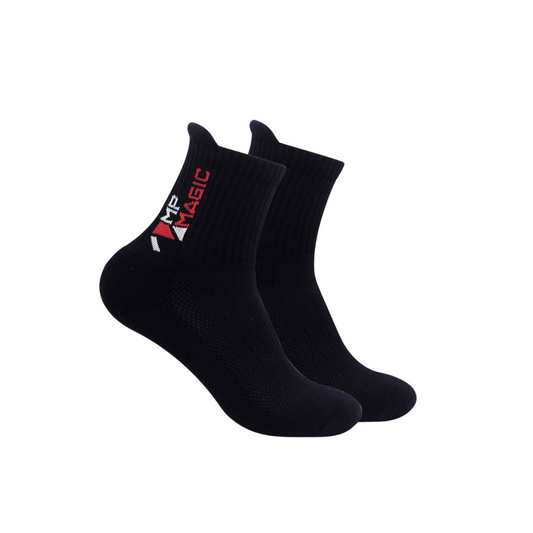
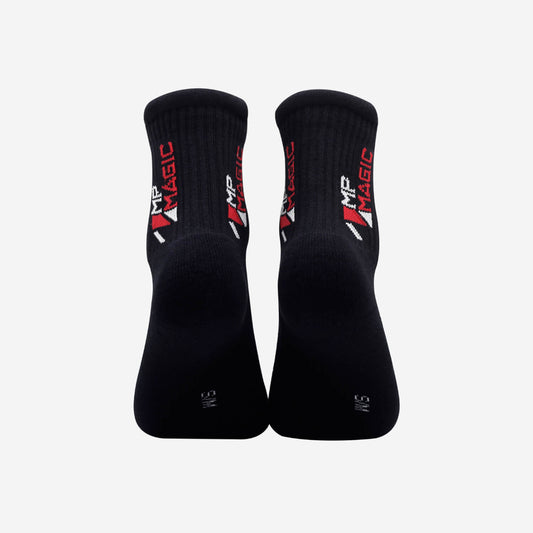
Our MP Magic Classic 2.0 Merino Wool Crew Socks bring together a crew height, targeted cushioning, and mesh ventilation. They are a natural fit for an everyday rotation with casual shoes or roomier boots, and come in grey and black.
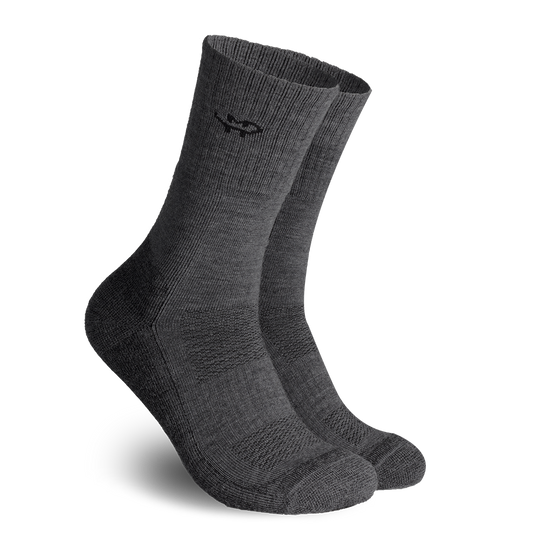
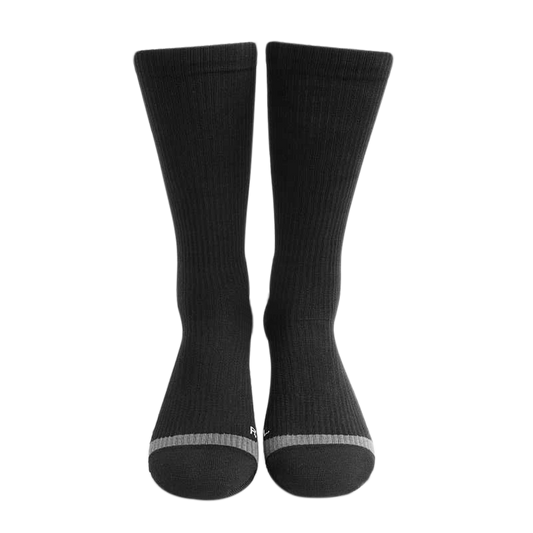
If you prefer a simple grey crew, our Classic Basic Merino Wool Crew Socks offer an 82% Merino blend with nylon and Lycra. The grey L/XL option is the currently available choice, making it worth considering if that size suits you.
Lightweight Merino for Less Bulk

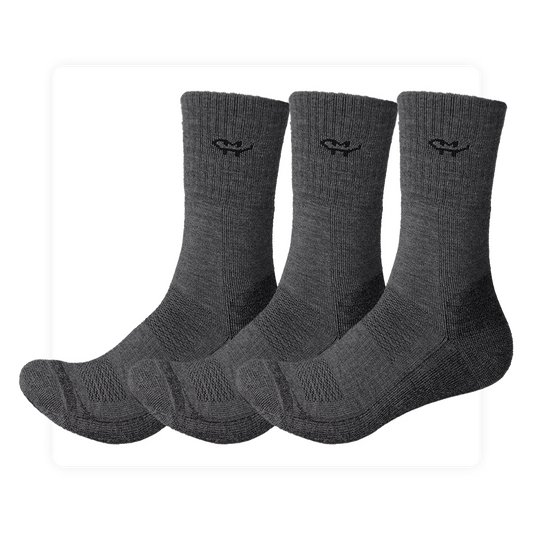
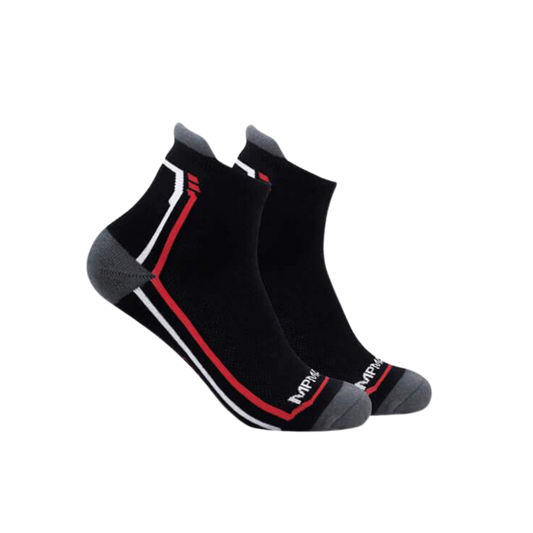
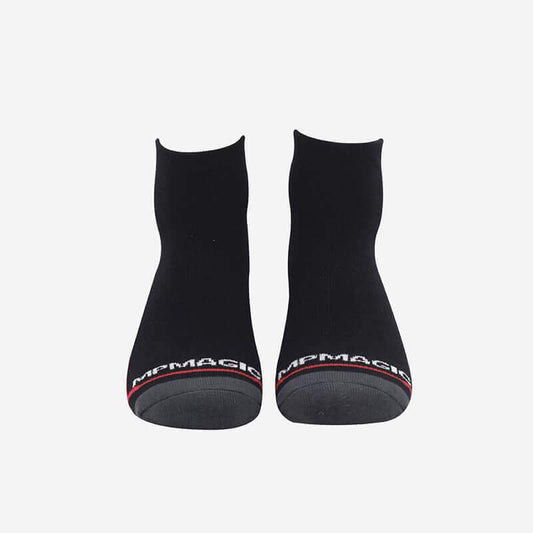
Our MP Magic Lightweight Merino Wool Socks use a blend of 74% Merino wool, 25% nylon, and 1% Lycra. Their lighter construction is a useful option for everyday shoes when you want Merino without as much bulk. Black is available in M, L, and XL.
Knee-High Coverage

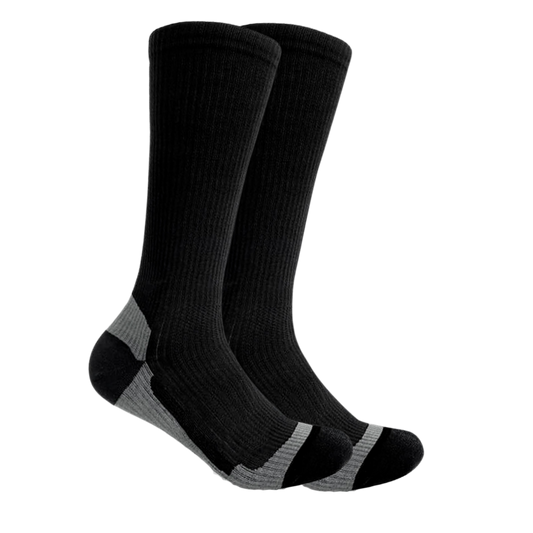
Our MP Magic Merino Wool Knee-High Compression Socks have a different balance: 78% TACTEL, 16% Merino wool, and 6% spandex. Choose them for their taller coverage and snug design when that is the style you enjoy, rather than expecting the same wool-rich feel as a classic crew. If you need prescribed compression, use the hosiery recommended by your clinician.
For more on choosing a height, our knee-high socks guide explains how taller styles fit into a wardrobe.
Caring for Cashmere and Merino Socks
The simplest rule is to follow the care label on the actual pair. “Natural fiber” does not mean every sock needs the same wash.
For knitted cashmere, we recommend gentle hand washing, reshaping, and drying flat away from direct heat. Small pills can form where the fibers rub; remove them carefully rather than pulling at the knit.
The MP Magic Merino styles linked above allow machine washing at a maximum of 40°C and tumble drying on low. Use a suitable gentle detergent and follow the garment’s care instructions. Our wool-sock washing guide will walk you through the routine in more detail.
Frequently Asked Questions
Cashmere Socks for Daily Wear
Cashmere can be an everyday choice when the sock is designed for shoes, and you are comfortable with its care routine. Reserve delicate lounge styles for slippers or time at home.
Merino Socks and Itchiness
Fine Merino can feel soft, but comfort varies between people and products. If your skin is sensitive, start with one suitable pair and pay attention to seams, fit, and your own response.
Merino Socks for Warmer Months
A lighter Merino blend can work in mild weather and indoor settings. Choose the thickness around your shoes and temperature preferences, rather than assuming every wool sock is a winter sock.
Choosing a Winter Pair
Look for enough cushioning and coverage for your activity, with room left inside your footwear. The warmest-feeling choice for sitting at home may be different from the most comfortable pair for walking to work.
Final Thoughts
Cashmere socks and merino wool socks serve very different purposes. Cashmere excels in softness and luxury but falls short in durability and moisture control. Merino wool, especially high-content options like MP Magic® 80% merino wool socks, offers superior performance across comfort, warmth, breathability, and longevity.
If your priority is indulgent comfort for short indoor use, cashmere is a fine choice. If you want socks that perform all day, manage sweat, resist odor, and last season after season, merino wool is the smarter investment.