Pressure Socks for Pregnancy and Everyday Leg Comfort


By the end of the day, shoes that felt comfortable in the morning can seem a little tighter, and putting your feet up may feel especially welcome. Changes like these can leave you wondering whether your usual socks are still the right choice—and where pressure socks for pregnancy fit into your routine.
Often called compression socks or stockings, they come in different lengths, fabrics, and pressure levels, which can make choosing a pair feel more complicated than expected. This guide explores how they may help, what to look for in the fit, when to wear them, and which changes in swelling deserve medical attention.
Key Takeaways
- Ask your midwife or doctor which type and pressure level suit your needs.
- Use the brand’s leg measurements as well as foot size when choosing compression hosiery.
- For daytime wear, putting stockings on early can be easier than waiting until your legs swell.
- Sudden swelling, one-sided leg pain, or breathing symptoms need medical assessment rather than a different pair of socks.
Understanding Pregnancy Socks for Swelling
According to the NHS, gradual swelling in the feet and ankles is common during pregnancy, often becoming more noticeable later in the day. Extra retained fluid and pressure from the growing womb can contribute to it. Comfortable footwear, regular walks, and resting with your feet raised may help ease the discomfort.
Graduated compression hosiery applies more pressure around the ankle and less farther up the leg. That structured fit is different from simply wearing a tight sock. The words “pressure socks,” “circulation socks,” and “maternity support socks” are used loosely in shopping descriptions, so the actual product and its fit matter more than the name.
If you are choosing pregnancy socks for swelling, tell your maternity team when the swelling appears, whether it affects both legs, and whether you have pain or other symptoms. That helps them recommend an appropriate approach.
What Compression Can Help With
Compression stockings may ease the discomfort of varicose veins during pregnancy, although they do not prevent the veins from developing, as the NHS notes. That makes symptom relief a more realistic expectation than prevention.
Depending on your symptoms, a clinician may recommend compression as part of managing leg swelling or discomfort. It works alongside everyday movement and rest. A sock is not a treatment for every cause of leg pain, and a tighter pair is not automatically a better choice.
Clot prevention needs its own assessment. Some people need additional measures during pregnancy or after birth, so follow the plan your maternity team provides rather than relying on retail compression socks alone.
How to Choose the Best Compression Socks for Pregnancy
The best compression socks for pregnancy are the ones that match your clinical needs and fit your legs comfortably enough to use as directed. A helpful shopping checklist is more useful than a universal brand ranking.
| Decision | What to Look For | Why It Matters |
|---|---|---|
| Pressure | The range your maternity team recommends | A product’s mmHg rating describes pressure, not overall quality |
| Size | The required ankle, calf, foot, and length measurements | Shoe size alone may not give the right leg fit |
| Height | The length recommended for your symptoms | Knee-high and longer hosiery cover different areas |
| Fabric | A feel and thickness that work with your shoes | Comfort makes the routine easier to maintain |
| Practical Use | A style you can put on, remove, wash, and rotate | Daily use should be manageable as your pregnancy progresses |
Start With the Pressure Level
You may see ranges such as 15–20 mmHg or 20–30 mmHg while shopping. The number refers to pressure, measured in millimeters of mercury. These labels are not a recommendation for every pregnancy, and a stronger range is not a simple upgrade.
Your midwife or doctor can help you choose the right level and length, especially if you have a history of clots, circulation problems, skin wounds, or unusual swelling. Bring the exact product information to that conversation if you already have a pair in mind.
Measure for the Leg Fit
A comfortable compression fit depends on your leg measurements as well as your shoe size. Kingston and Richmond NHS recommends checking the ankle and calf when selecting compression stockings, so it is worth having a tape measure ready before you choose a pair.
Follow the measurement points for the brand you are buying, and ask a pharmacist or clinician for help if you fall between sizes. Recheck the fit if your legs change during pregnancy. The heel should sit in place, the fabric should lie smoothly, and the top should not roll into a tight band.
Choose a Comfortable Fabric and Routine
Think about where you will wear the socks. A lighter knit may feel easier in warm rooms or close-fitting shoes; a softer or more cushioned foot can be appealing in roomier footwear. Make sure your toes have space and that you can bend your ankle comfortably.
If reaching your feet becomes difficult, a stocking aid or help from someone at home may make the routine easier. Having a second pair also gives the first time to dry after washing.
When to Wear Compression Socks During Pregnancy
There is no single week when everyone needs to start. Ask about compression when symptoms affect your day, or when your maternity team identifies a reason to use it. The timing and length of wear should follow that advice.
During the Day
For daytime compression, Guy’s and St Thomas’ NHS recommends putting stockings on early, before swelling builds, with the skin dry and the fabric smoothed flat. They are generally removed at bedtime unless your clinician gives different instructions.
A desk day, a standing shift, and a quieter day at home can place different demands on your legs. Follow your agreed wearing schedule, and keep comfortable movement breaks in your routine where possible.
During Travel
If a flight longer than four hours is on your calendar, discuss it with your maternity team before you travel. The Royal College of Obstetricians and Gynaecologists (RCOG) recommends regular movement, in-seat exercises, water, and correctly fitted graduated compression stockings. Your midwife or doctor can advise on the right type and size; standard flight socks are not necessarily equivalent.
If you have additional clot risk factors, your plan may include medication. Socks do not replace that plan.
After Birth
Your compression needs can change after delivery. Ask your maternity team whether to continue, how long to wear the hosiery, and whether the fit should be reassessed. Follow any hospital instructions for anti-embolism stockings rather than applying a general daytime-sock routine to them.
Putting On Compression Socks More Easily
A calm few minutes in the morning can be easier than trying to pull socks onto already swollen legs. Guy’s and St Thomas’ NHS recommends working the fabric up gently and smoothing away folds; these steps can help you settle into the routine.
- Start with dry skin and let any moisturizer absorb fully.
- Turn the stocking back to the heel, then position your foot and heel inside it.
- Ease the fabric up in small sections, keeping the heel aligned.
- Smooth out wrinkles and leave the cuff flat instead of folding it over.
- Check that the toes and heel sit comfortably before putting on shoes.
If reaching your feet or pulling the fabric up is becoming difficult, ask about a stocking applicator. If a sock causes pain, numbness, or a change in toe color, remove it and seek medical advice.
An Everyday MP Magic Option

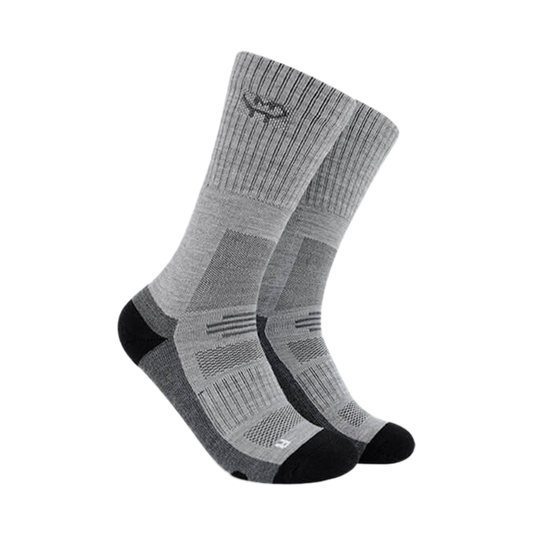
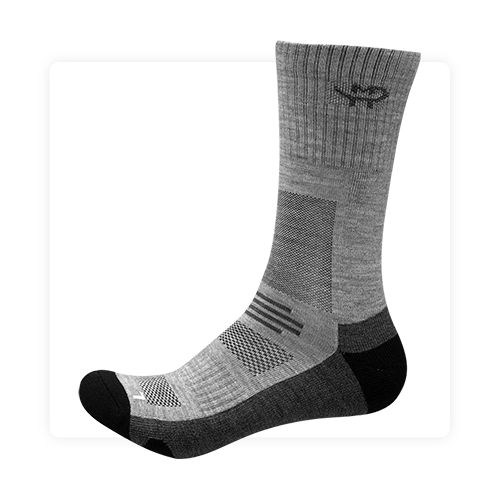
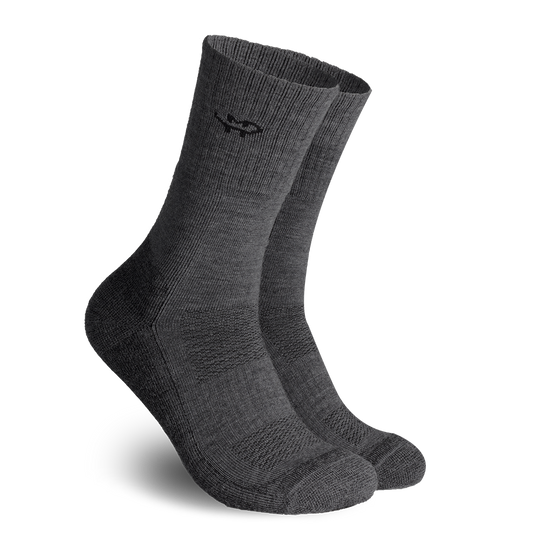
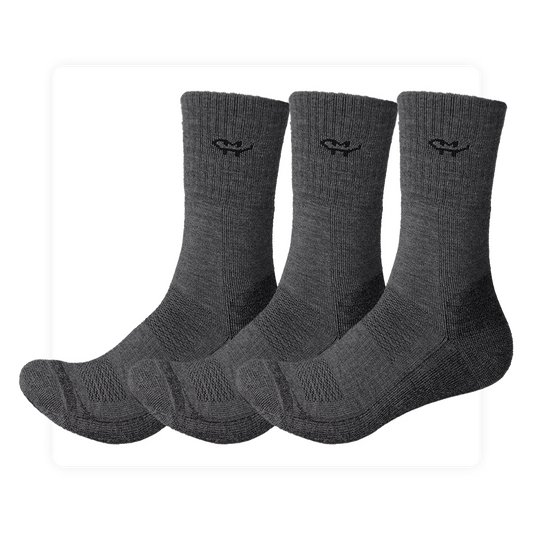
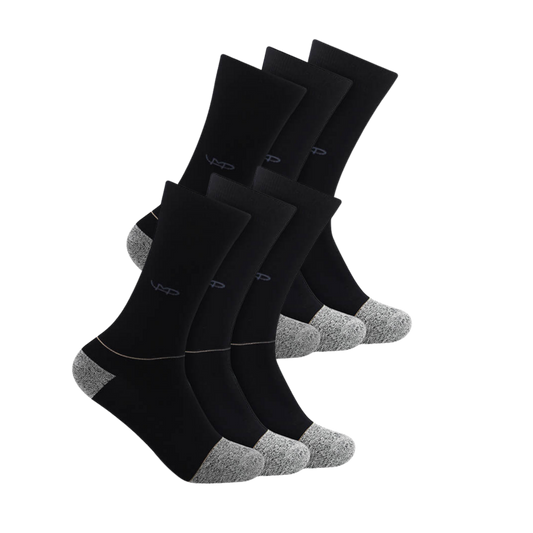
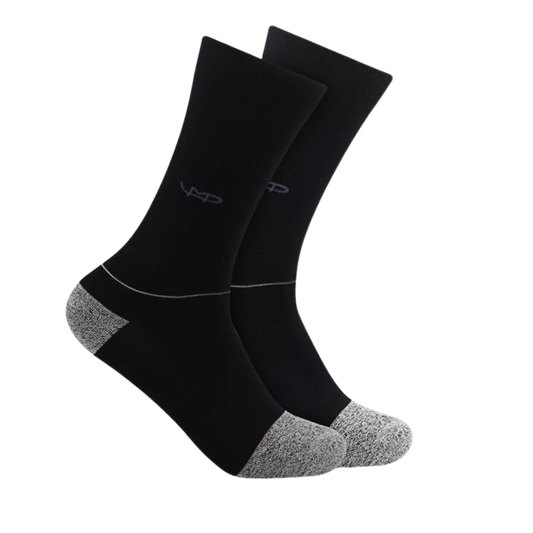
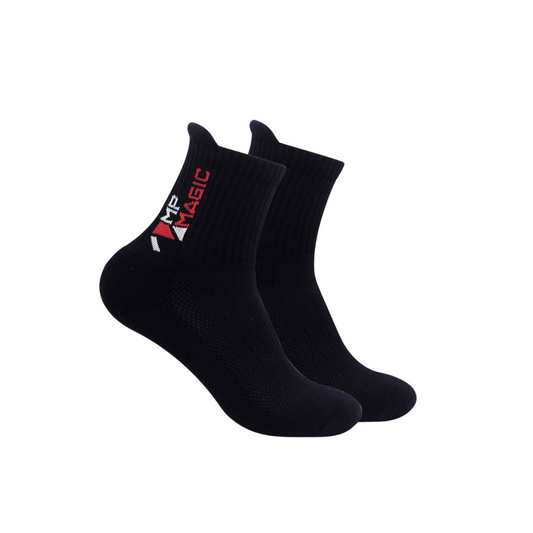
Our MP Magic Merino Wool Knee-High Compression Socks combine 78% TACTEL, 16% Merino wool, and 6% spandex in a black knee-high design with mesh ventilation. They are an everyday option for people who enjoy taller coverage and a snug feel.
For compression prescribed during pregnancy, use the pressure-rated hosiery specified by your maternity team. Our everyday style should not be substituted for that prescription. Its current women’s sizing starts at US 9–9.5, so the foot fit also matters when considering this pair.
For everyday outfits beyond maternity compression, exploring different knee-high sock styles can help you find the coverage you enjoy, while learning about Merino wool can help you choose a fabric that feels right.
When Swelling Needs Prompt Medical Attention
The NHS identifies a sudden increase in swelling of the face, hands, or feet as a possible warning sign of pre-eclampsia. Call your maternity team immediately if this happens, especially alongside a severe headache, visual changes, or pain below the ribs.
RCOG identifies a painful, hot, red, or swollen leg—particularly on one side—as a reason to seek urgent medical advice. Sudden breathing difficulty, chest pain, coughing up blood, or collapse require emergency help. Do not wait to see whether socks improve these symptoms.
Frequently Asked Questions
Pressure Socks and Circulation Socks
Both names are commonly used for compression products. Choose by the actual pressure rating, sizing system, and intended use, rather than assuming every sock with one of these names provides the same support.
Compression Socks in the First Trimester
The decision depends on your symptoms and medical history, rather than the trimester alone. Your maternity team can advise whether there is a reason to start and what type is suitable.
Sleeping in Pregnancy Compression Socks
Daytime compression hosiery is generally removed before bed unless your clinician says otherwise. Hospital-issued stockings may have a different schedule, so follow the instructions given with them.
Knee-High or Thigh-High Hosiery
Choose the length recommended for the area that needs support and your individual circumstances. A longer stocking is not automatically more useful, and it still needs the correct measurements.
Washing and Replacing Your Socks
Follow the manufacturer’s washing and drying instructions, and keep a spare pair if you wear them regularly. Arrange a fit review if stockings become loose, damaged, uncomfortable, or no longer suit changes in your legs.
Building a Comfortable Daily Routine
Start with advice that fits your pregnancy, choose a pair in the right measurements, and make wearing and washing them manageable. Comfortable shoes, appropriate movement, and time with your feet raised can support the rest of your day. If symptoms change, bring that change to your maternity team rather than simply buying stronger socks.