Compression Socks and Shin Splints: What Runners Should Know


A familiar route can feel very different when your shins start aching halfway through. Perhaps you have added a few extra miles, returned to running after a break, or swapped easy sessions for hill repeats. When that soreness keeps coming back, it is natural to wonder whether a different pair of socks could make your next run more comfortable.
Compression socks often enter that conversation because of their close, supportive feel around the lower leg. This guide looks at the connection between compression socks and shin splints, what the research actually shows, and how to choose socks without overlooking the training changes your legs may need.
Key Takeaways
- Compression socks may feel supportive, but they are not a proven shortcut to healing shin splints.
- Reducing painful impact activity and reviewing your training progression matter more than choosing a stronger sock.
- Knee-high socks and calf sleeves offer different coverage; neither has an established universal pressure level for shin splints.
- Persistent or worsening shin pain deserves an assessment, especially when it is concentrated in one small spot.
Why Do Shin Splints Develop?
Shin splints, also called medial tibial stress syndrome, usually involve exercise-related pain along the inner edge of the shinbone. According to the American Academy of Orthopaedic Surgeons, they often follow a change in training frequency, duration, or intensity. Worn footwear and some foot mechanics can also contribute.
That makes the weeks before the pain started worth reviewing. Did a longer run arrive in the same week as extra speed work? Have your usual shoes become noticeably worn? A sock change might alter how your lower legs feel, but it will not undo a sudden increase in workload.
Not every painful shin is a shin splint. A stress fracture or another lower-leg problem can feel similar, so avoid using a product description to diagnose the pain.
Do Compression Socks Help Shin Splints?
Comfort and recovery are different questions
A close-fitting sock can provide a sensation of support around the calf. Whether you prefer that feeling is a practical comfort question. Whether the sock makes an overuse injury heal faster requires clinical evidence.
In a randomized trial involving 74 athletes with medial tibial stress syndrome, adding a sports compression stocking to a graded running program did not significantly shorten the time needed to complete that program compared with the running program alone. The study does not settle every question about compression, but it does not support promising faster shin-splint recovery.
It is also worth separating different uses of compression. AAOS includes an elastic compression bandage among measures that may help limit additional swelling. That is not evidence that any running compression sock will treat the underlying injury.
A tighter sock is not automatically a better choice
There is no established, one-size-fits-all mmHg recommendation for shin splints. A pressure range on a label describes compression; it does not show that the product has been tested for this injury. If a clinician recommends compression for a separate circulation or swelling problem, follow their advice on the product, fit, and wearing schedule.
Compression Socks or Calf Sleeves?
For calf compression for shin splints, the most useful shopping distinction is often coverage. Consider the sock you already like wearing, how much room you have in your shoes, and whether you want fabric over the foot as well as the calf.
Option |
Coverage and feel |
What to check |
|---|---|---|
Knee-high compression socks |
One garment covers the foot, ankle, and calf. |
Foot fit, calf sizing, toe room, and fabric thickness. |
Calf sleeves |
Cover the lower leg while leaving the foot free. |
Manufacturer measurements and compatibility with your usual socks. |
Regular running socks |
Focus on comfort inside the shoe. |
Seams, cushioning, moisture management, and a secure fit. |
Clinician-recommended compression |
Selected for a specific medical need. |
The prescribed pressure, sizing method, and wearing instructions. |
These are choices about fit and coverage, not a ranking of treatments. You can prefer a sleeve and keep your favorite running sock; you can also decide that an ordinary sock feels better. Neither decision replaces a plan for the pain itself.
How to Choose Running Compression Socks
Start with measurements
Use the manufacturer's size chart rather than choosing a smaller size to create extra pressure. Where calf and ankle measurements are required, take them as directed. A shoe-size chart alone cannot establish a medical compression fit.
Smooth the fabric into place and avoid folds or a rolled-down cuff. Remove the socks and seek advice if they cause numbness or tingling, unusual discoloration, or increased pain. If you have a circulation condition or reduced sensation in your feet, ask a clinician whether compression is suitable before trying it.
Choose the fabric for your shoes and routine
Look at the full blend as well as the product name. A merino blend may appeal for its feel, while a lighter construction may fit more easily into close-fitting shoes. Extra cushioning can also change how much room remains around your toes. Comfort should be assessed with the shoes you actually wear.
Where MP Magic fits
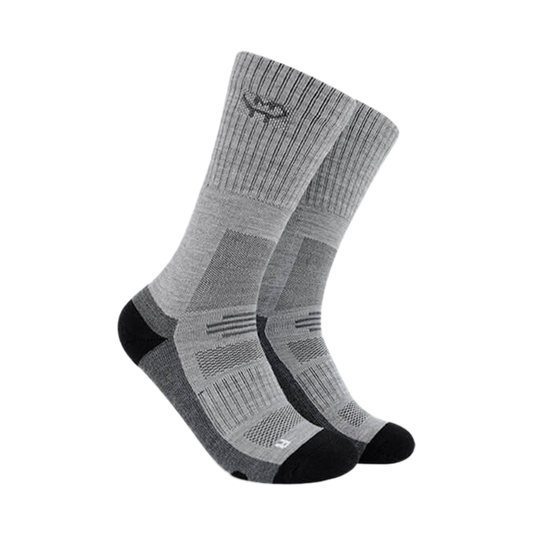
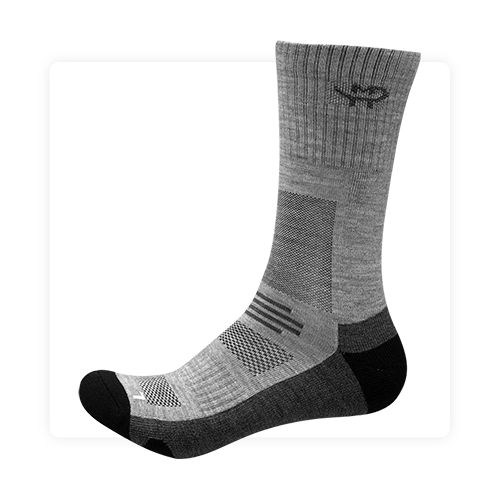
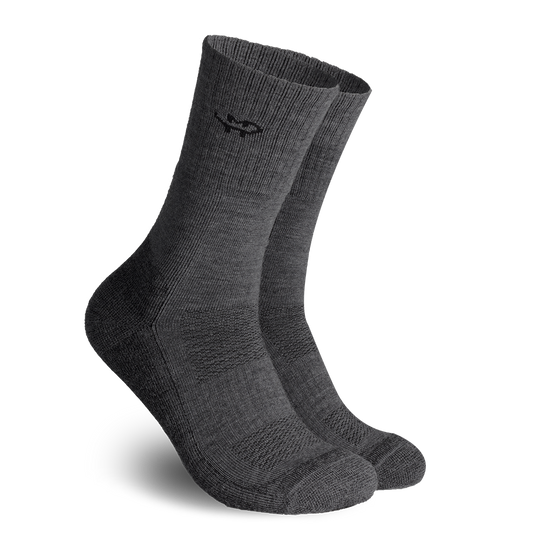
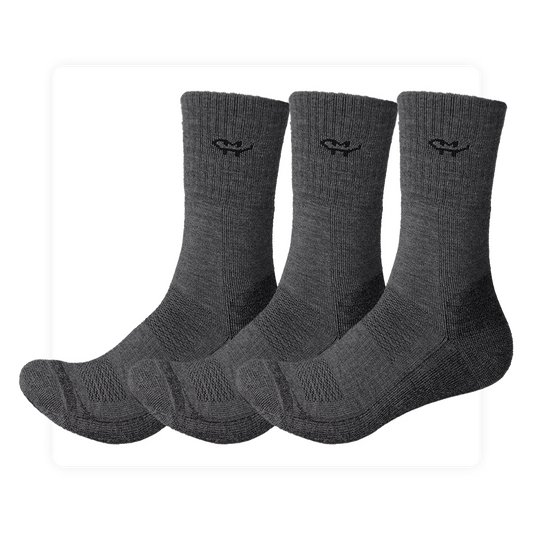
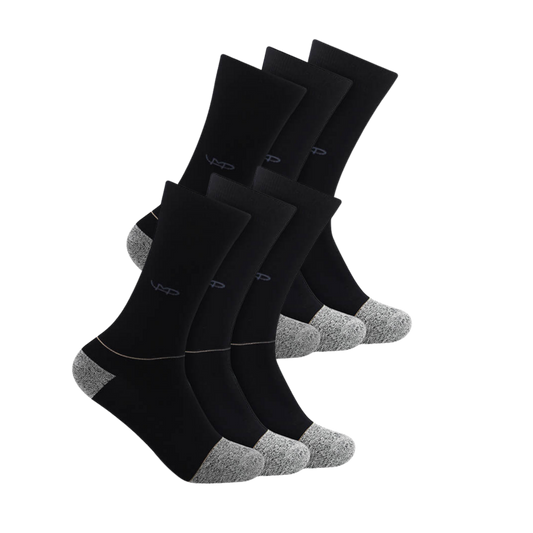
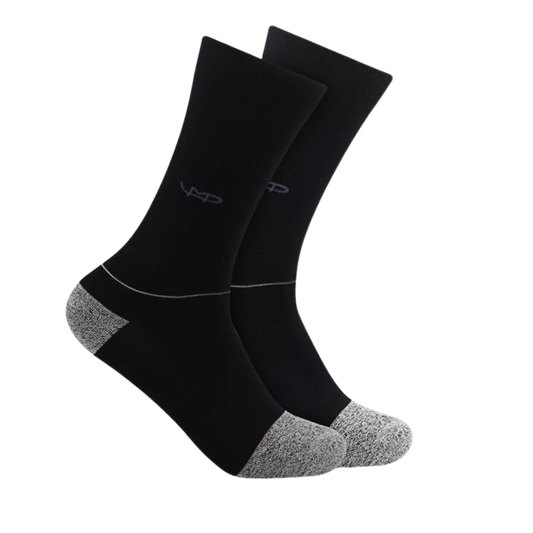
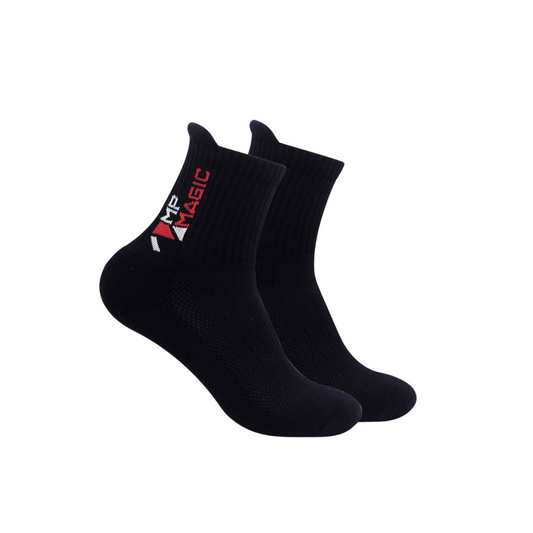
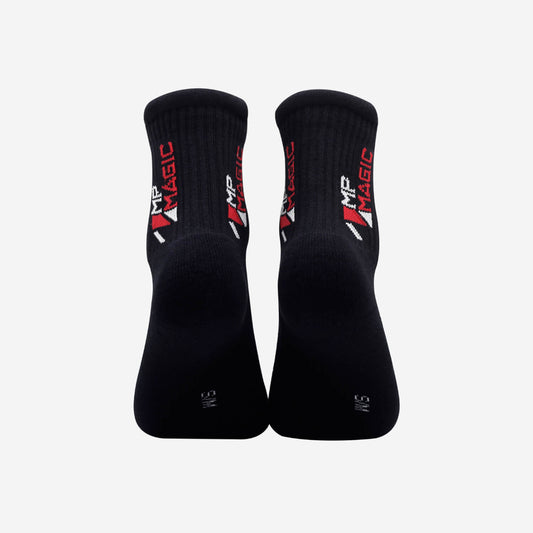
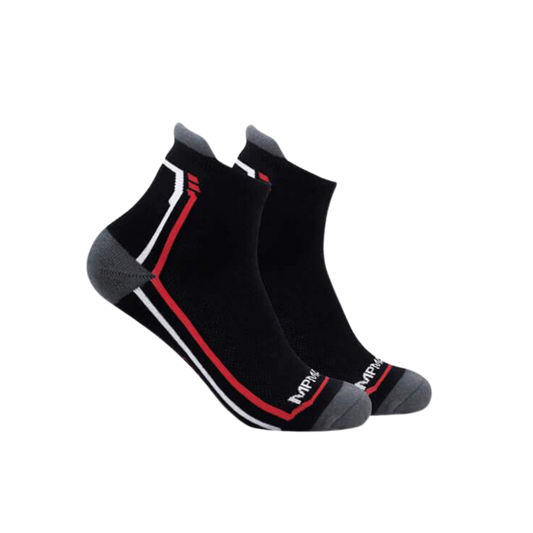
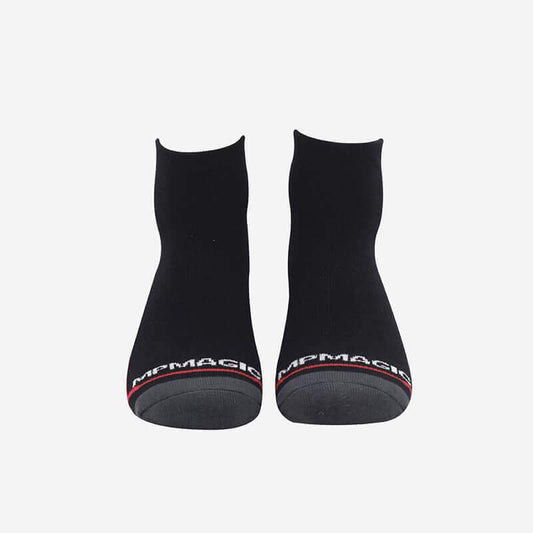
Our MP Magic Compression Merino Wool Knee-high Socks combine 78% TACTEL®, 16% merino wool, and 6% spandex, with mesh ventilation and knee-high coverage. They are an option for people who prefer a close-fitting, wool-blend sock for everyday wear, travel, or activity.

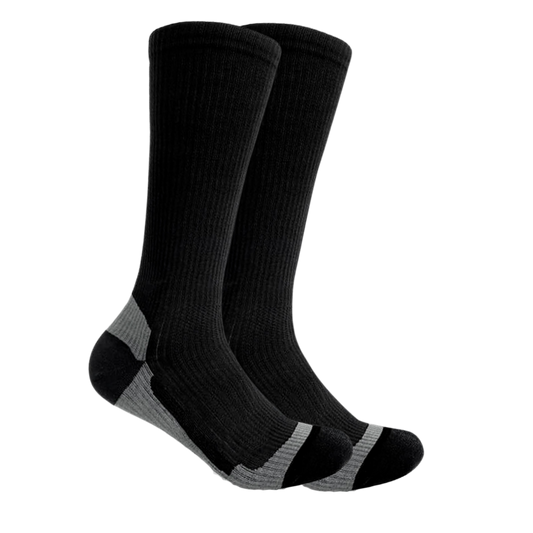
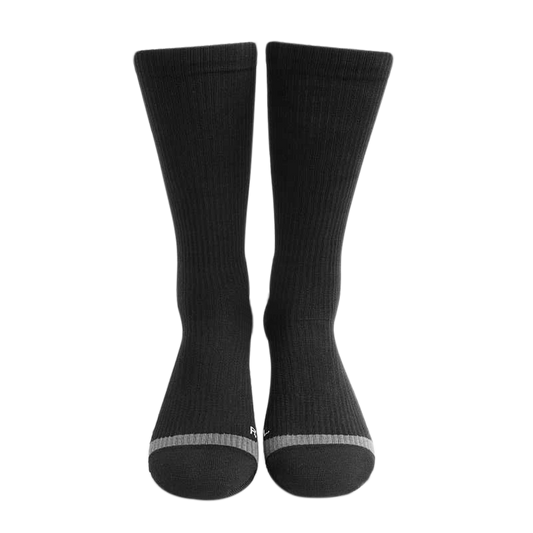
MP Magic black merino blend knee-high socks
For long days on your feet, the merino wool at the sole and toe adds a soft feel, while mesh ventilation helps keep the design breathable. The stretchy blend and knee-high cut offer a close fit with extra lower-leg coverage, making these socks an easy option for everyday wear and travel.
What Matters More During Recovery?
The NHS recommends stopping the exercise that is causing shin pain and keeping active with gentler alternatives while recovering. Returning gradually is more useful than using a sock to push through the same painful session.
- Review recent training changes. Note when the symptoms began and what changed around that time.
- Check your footwear. Replace worn shoes and consider professional advice if fit or support seems to be contributing.
- Build back patiently. A clinician or physiotherapist can help tailor the return to activity and any strengthening work.
Arrange an assessment if the pain is worsening or not improving. Pain focused in a small area, pain at rest, or difficulty bearing weight should not be dismissed as ordinary post-run soreness. Seek urgent care for severe pain, particularly after an injury.
Frequently Asked Questions
Can I keep running if compression socks make my shins feel better?
A more comfortable feeling does not confirm that the injury is ready for running. Avoid the activity that triggers pain and base your return on recovery and appropriate professional advice.
Are calf sleeves better than compression socks for shin splints?
There is no clear basis here for calling one a better treatment. Sleeves leave your foot free; knee-high socks combine foot and calf coverage. Choose between them for fit and comfort.
What compression level should I buy?
There is no universal pressure prescription for shin splints. Do not assume a stronger product will work better. A clinician can advise if you have another condition that calls for a defined pressure level.
Can compression socks prevent shin splints?
Do not rely on them for prevention. A sensible training progression, appropriate footwear, and responding early to recurring pain deserve priority.
Keep the Focus on Comfortable Movement
The right socks can earn a place in your routine because they fit well and feel good. For shin splints, let them play that supporting role while you address what changed in your training and give your legs time to recover.