Alpaca Wool Socks vs Merino Wool Socks and How to Choose


Alpaca wool socks vs merino wool socks comes down to the kind of comfort you want in your day. A plush alpaca blend can be lovely for slow mornings and evenings on the sofa, while a merino crew is an easy companion for everyday shoes, errands, and time at home. Both fibers offer inviting options; the thickness and feel of each pair help you find your favorite.
Think about the moment you are dressing for: a cup of coffee on a chilly morning, a day at the office, or a relaxed weekend walk. A thicker lounge sock adds a cozy layer, while a lighter crew sock slips more easily into shoes. That is a more enjoyable place to start than searching for one fiber to win every comparison.
Key Takeaways
- Both alpaca and merino blends can bring comfort to your sock drawer, from plush lounge pairs to lighter everyday styles.
- Thicker knits offer a cozy feel, while lighter styles leave more room in everyday shoes.
- Wool, nylon, and stretch yarns work together to balance softness, shape, and everyday wear.
- An easy care routine and a few favorite pairs make fresh socks a simple daily pleasure.
- Our MP Magic merino collection includes classic crews, lightweight styles, and knee highs for different outfits and routines.

Alpaca vs Merino Socks at a Glance
| What to Compare | Alpaca Blend Socks | Merino Blend Socks |
|---|---|---|
| Fiber source | Alpaca fleece | Wool from Merino sheep |
| Everyday styles | Lounge, everyday, and activity-specific styles | Everyday, dress, and activity-specific styles |
| Warmth | Plush styles for cozy moments; lighter blends for everyday wear | Light crews through thicker knits, depending on the warmth you enjoy |
| Fit and shape | Knit and stretch yarns shape the feel around your foot | Ribbing and stretch yarns help create a close, comfortable fit |
| Durability | Added nylon and reinforced areas can support regular wear | Nylon blends and reinforced areas can support regular wear |
| Care | Some blends are machine washable; care varies by pair | Some blends are machine washable; care varies by pair |
| A place in your day | A plush pair for lounging, or a lighter blend for outings | A crew for everyday shoes, or a taller style with boots |
What Is Different About the Fibers
The Appeal of Alpaca Blends
Alpaca fiber comes from alpaca fleece and is often blended with nylon, spandex, or other fibers in socks. These blends give you a range of textures and weights, from a plush pair for the sofa to a lighter crew for heading out.
For an everyday example, PAKA Essential Crew Socks combine 40% baby alpaca fiber, 8% Tencel, 50% recycled nylon, and 2% spandex. The blend brings alpaca together with yarns chosen for shape, stretch, and everyday wear.
A blend can be part of what makes a pair enjoyable to wear. Some people love a soft, fluffy feel around the house; others prefer a smoother knit in their shoes. The pair you reach for most often is usually the one that feels right in those familiar moments.
Why We Love a Merino Blend
Merino wool comes from Merino sheep. Its natural crimp gives the fiber spring, and its ability to absorb moisture vapor contributes to the comfort of wool clothing. Woolmark explains these natural qualities in more detail. In socks, merino works alongside other yarns to create a wearable balance of wool, structure, and stretch.
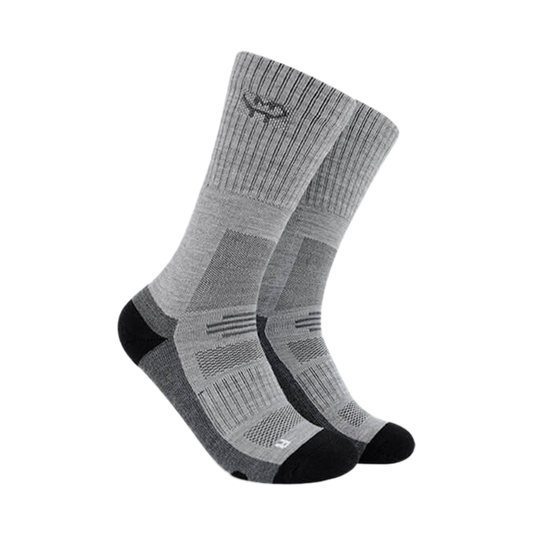
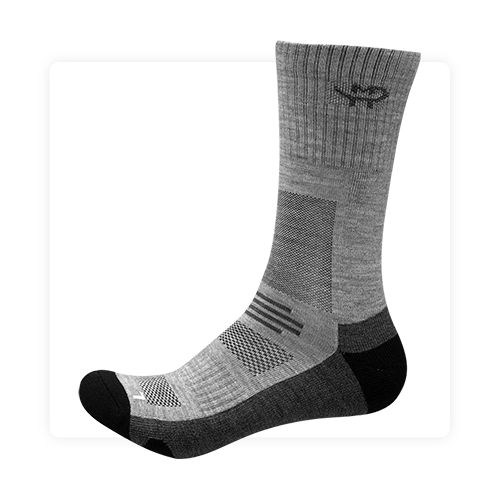
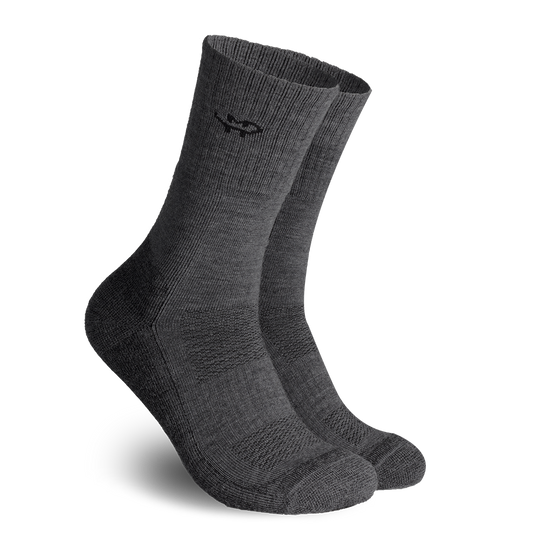
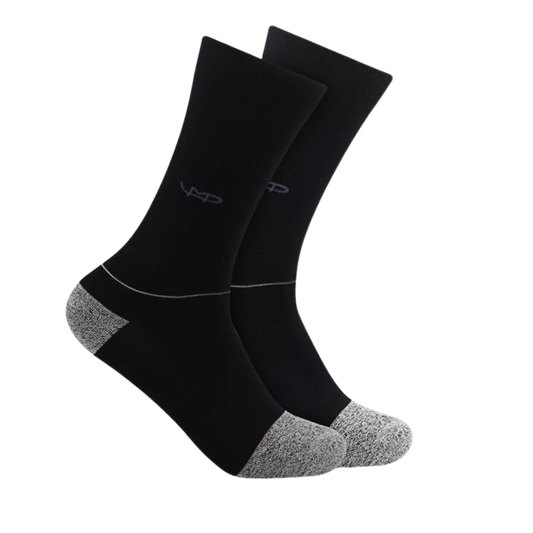
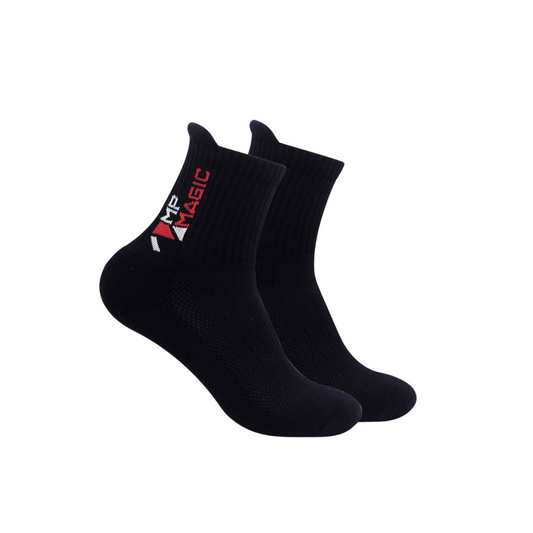
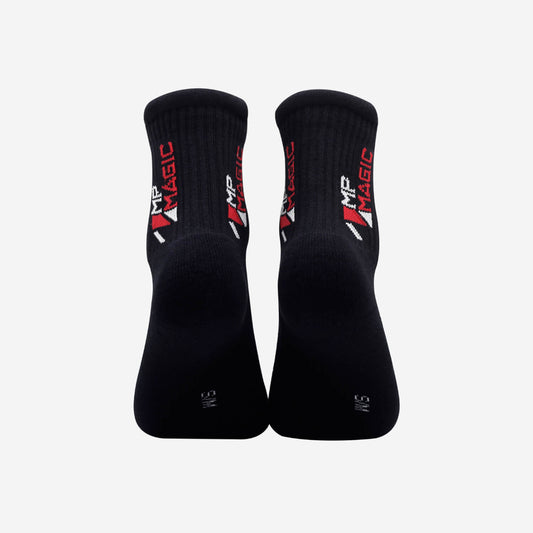
Our Classic Basic Merino Wool Crew Socks combine 82% merino wool, 13.5% nylon yarn, and 4.5% Lycra. Merino forms the heart of the blend, nylon adds reinforcement, and Lycra brings stretch. It is a straightforward way to bring wool into your everyday wardrobe, whether you are getting dressed for an outing or settling into an easy afternoon.

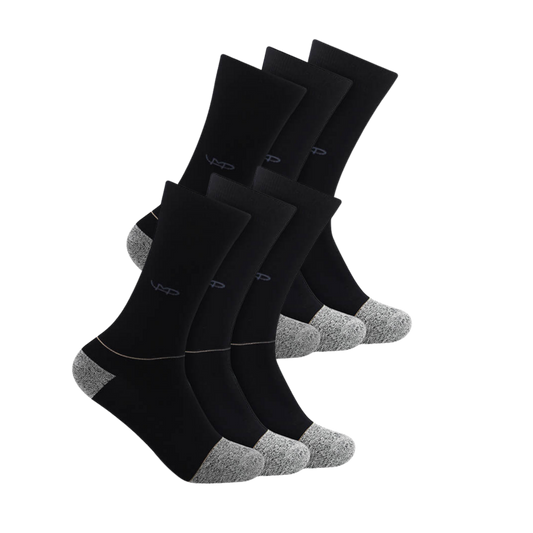
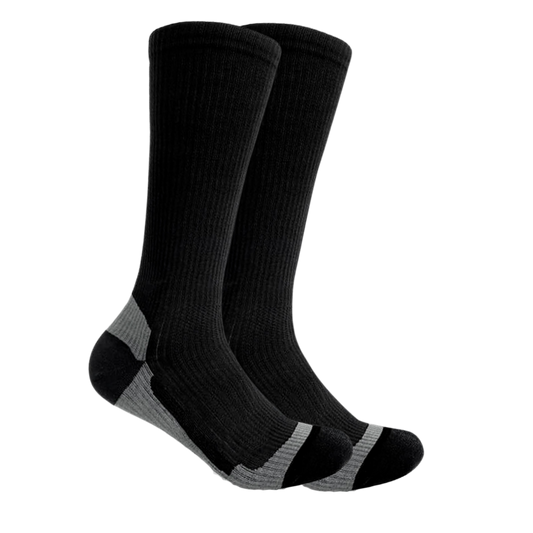
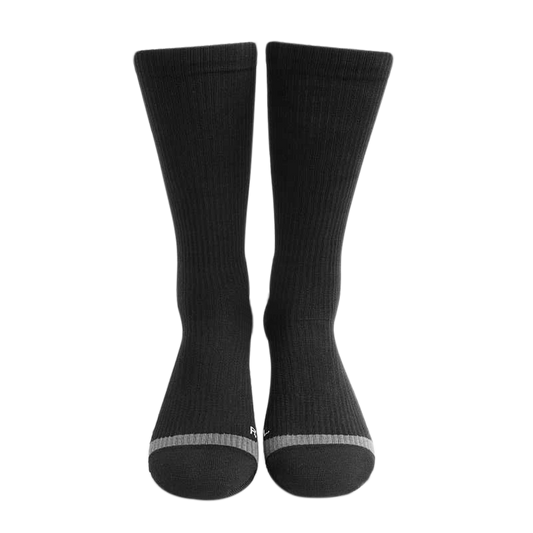
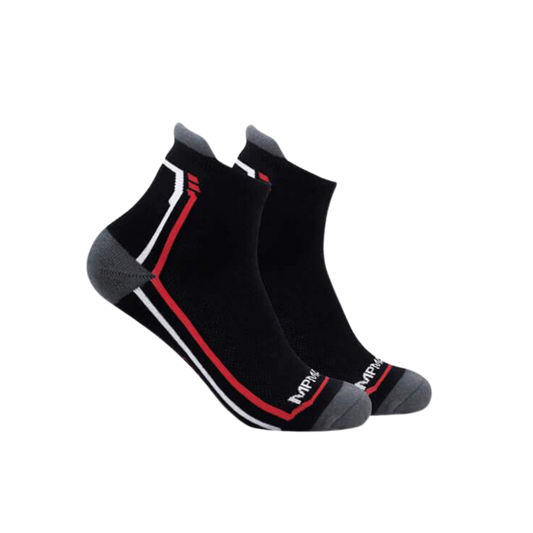
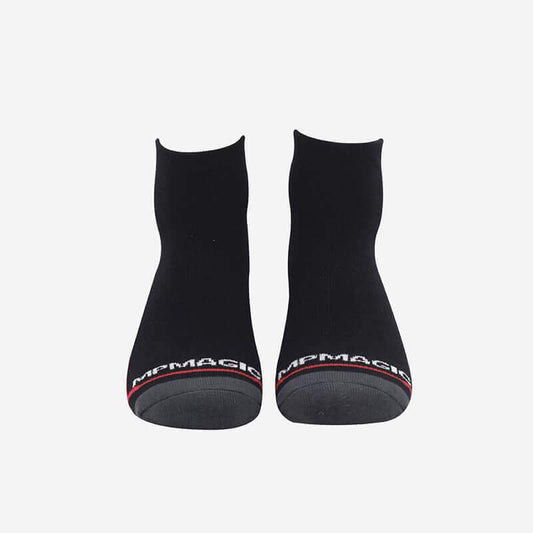
A closer look at the ribbing, gray knit, and black accents on our merino crews.
Are Alpaca Socks Warmer Than Merino Socks
They can be, when you are comparing a plush alpaca pair with a lightweight merino style. A thicker merino knit can also feel wonderfully cozy. For everyday comfort, the amount of fabric around your feet matters alongside the fiber you love.
At home, a roomy, plush sock can be just the thing for a quiet evening. Inside close-fitting shoes, a lighter pair often feels more comfortable. There is room for both in a sock drawer: something cozy for slowing down and something lighter for getting on with the day.
A few familiar moments can help you choose:
- Slow mornings at home call for the cozy texture and coverage you enjoy.
- Everyday shoes feel best with enough room for your toes and a smooth layer of fabric.
- Cooler outings are a chance to reach for a thicker knit or a taller sock.
- A favorite pair is a useful starting point for building your everyday rotation.
For cozy indoor wear, we like the idea of a plush alpaca blend alongside a familiar merino favorite. For days in and out of the house, a lighter crew keeps the choice simple. Let your shoes and your preferred feel guide the pair you reach for.
Which Is Better for Sweaty Feet
Merino is a lovely option if you enjoy wool's ability to handle moisture vapor. Woolmark's breathability factsheet explains how the fiber absorbs vapor within its structure. That natural quality is one reason merino fits so comfortably into an everyday wardrobe.
With either an alpaca or merino blend, a lighter sock and airy footwear can feel more pleasant on warmer days. A fresh pair after a long outing and a little time for shoes to air out also help keep your routine comfortable.
A simple wash-and-rotate routine keeps favorite pairs ready for the next wear. For more everyday ideas, our guide to socks for sweaty feet explores fabric choices and small habits that help feet feel fresher.
The Little Details That Make a Favorite Pair
A heel that sits neatly in place, a comfortable cuff, and a little stretch can make a sock feel easy from the moment you pull it on. A smooth fit inside your shoes is especially welcome on days spent moving between home, work, and errands.
Reinforcement and cushioning are useful details for pairs you wear often. For your everyday drawer, the idea is simple: a pair with the right amount of fabric and a comfortable fit is easier to enjoy again and again.
Both alpaca and merino blends can become well-loved staples. How long a pair lasts also reflects how often you wear it, the shoes you pair it with, and its care. Rotating a few favorites gives each pair time between wears.
Softness is personal. You might love a fluffy lounge sock or prefer a smoother, finer knit next to your skin. If your skin is sensitive, starting with one pair gives you a relaxed way to discover the texture you enjoy.
How to Choose for Your Day
For Lounging and Cold Floors
For quiet evenings and slow weekend mornings, a plush alpaca blend is an inviting choice. A comfortable cuff, a roomy toe area, and a texture you enjoy can make pulling on socks feel like part of settling in.
Pair your lounge socks with favorite slippers for trips across cool floors, then curl up with a blanket when it is time to unwind.
For Work and Daily Wear
For workdays and errands, we reach for a crew that feels at home in familiar shoes. A lighter knit is easy to wear with less roomy footwear, while a more substantial pair suits days when you want extra fabric around your feet. A few pairs in rotation make getting dressed pleasantly simple.
For Weekend Walks and Travel
For a weekend walk, a smooth fit and a sock height that sits comfortably above your shoe or boot collar make a good starting point. A little more cushioning may feel welcome in roomy boots; a lighter crew pairs naturally with everyday walking shoes.
On a trip, familiar socks bring a small comfort from home. Pack a few favorites for days out and a cozy pair for evenings back at your accommodation.
Find Your Everyday Merino Pair With MP Magic
Our merino collection makes room for different kinds of days: classic crews for familiar routines, lightweight pairs for less bulk, and knee highs for extra coverage. Here is how we recommend choosing your next favorite.
| MP Magic Option | Recommended For | Product Features |
|---|---|---|
| Classic Basic Merino Wool Crew Socks | An easy first pair for everyday outfits and relaxed time at home. | Made with 82% merino wool, 13.5% nylon yarn, and 4.5% Lycra, our Classic Basic crew brings together wool, reinforcement, and stretch. Available as a single pair. |
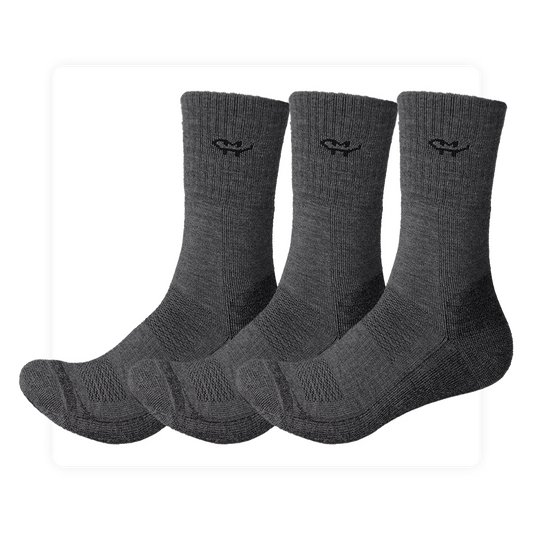
| Classic 2.0 Merino Wool Crew Socks | Building a small collection of go-to crews for the week. | Our Classic 2.0 merino crew comes in a three-pair pack, making it easy to keep a fresh pair ready for everyday outfits and quieter days at home. |
| Lightweight Merino Wool Crew Socks | Everyday shoes and days when you prefer a lighter layer. | A lightweight blend of 74% merino wool, 25% nylon yarn, and 1% Lycra brings less bulk to your daily routine. The six-pair pack keeps your sock drawer well stocked. |
| Compression Merino Wool Knee-high Socks | Boots, cooler-day outfits, and a little extra coverage around the calf. | A knee-high knit made with 78% TACTEL, 16% merino wool, and 6% spandex. The taller shape and added stretch offer a different feel from our shorter crews. |
Whether you love a classic crew or prefer a taller style, our merino wool socks guide offers more ideas for your everyday wardrobe. For another familiar fabric pairing, explore our cotton vs wool comparison.
Caring for Your Favorite Pairs
A single pair is a lovely way to get to know a new style. Once you have a favorite, a multipack makes the everyday rotation easier. The best value often comes from the socks you enjoy wearing regularly, whether they are an alpaca lounge pair or your go-to merino crews.
Some alpaca and merino blends are machine washable, while others appreciate gentler care. The label on your pair gives you its wash and drying routine, and our care guidance offers helpful advice for looking after wool. A little care keeps favorite pairs ready for another day.

Frequently Asked Questions
Are Alpaca Socks Warmer Than Merino Socks
A thick, plush alpaca sock can feel warmer than a lightweight merino pair. Thicker merino styles can be cozy too. For evenings at home, choose the texture you love; for shoes, a comfortable amount of room helps you enjoy the warmth.
Which Are the Best Wool Socks for Everyday Use
The best wool socks are the pairs that fit naturally into your day. We like a merino crew for everyday shoes, a lighter style when you want less bulk, and a plush pair for lounging. Your favorite feel and footwear are a useful guide.
Do Alpaca Socks Last Longer Than Merino Socks
Both can become everyday favorites. Reinforcement, fit, frequency of wear, and care all play a part in how long they last. A small rotation of comfortable pairs is a practical way to enjoy either fiber.
Is a Higher Wool Percentage Always Better
A high wool content can appeal if you love the feel of wool, while nylon and stretch yarns bring useful reinforcement and flexibility. The balance you enjoy may be different in a cozy lounge sock and a lighter everyday crew.
How Do Alpaca and Merino Socks Feel Against the Skin
Both offer a range of textures, from fluffy to smooth, depending on the yarn and knit. Comfort is personal, especially for sensitive skin. One pair in a texture you already enjoy is a gentle way to explore a new style.
Choose the Pair That Fits Your Routine
Choosing between alpaca wool socks vs merino wool socks can be as simple as picturing your day. A plush alpaca blend invites you to slow down at home; a merino crew is an easy choice for everyday dressing. Our Classic Basic crew is a welcoming place to start, with a wool-rich blend and a single-pair option for finding your next favorite.