What Are the Best Compression Socks for Women in 2026?


Compression socks have moved beyond clinical use and become an everyday essential for women who stand, travel, run, or simply want better leg comfort. With modern fabric engineering—merino wool blends, advanced breathability, and graduated compression—today’s designs offer comfort, circulation support, and all-day performance.
Why Women Need or Prefer Compression Socks
Women often deal with unique lifestyle and physiological pressures that make compression gear especially helpful. Common reasons include:
Long work hours on their feet
Nurses, teachers, retail workers, flight attendants, hospitality staff, and lab technicians spend 8–12 hours standing. Graduated compression helps reduce leg swelling, heaviness, and fatigue by promoting venous return.
Travel and daily commuting
Women who commute long distances or sit for extended hours benefit from socks that reduce stagnation, swelling, and discomfort, especially during flights.
Fitness and recovery
Runners, cyclists, gym-goers, and hikers use compression to improve circulation during exercise and speed up muscle recovery after training.
Temperature and odor control needs
Women with naturally warmer feet, or those wearing enclosed shoes for extended periods, appreciate moisture-wicking fibers that keep feet drier and odor-free.
Pregnancy-related leg swelling
Pregnancy increases fluid retention and pressure on veins. Compression socks are a non-medicated option to relieve swelling and improve comfort.
These scenarios explain why compression socks are now a year-round staple for women across age groups.
How Many Hours Should Women Wear Compression Socks?
Compression socks can be worn safely 8–12 hours per day during normal daily activity. General guidance:
-
At work: Wear them through your shift.
-
During long travel: Wear them from departure to arrival.
-
For recovery: 2–4 hours post-exercise is common for athletes.
-
For swelling: Many women wear them all day, removing them at night.
Unless recommended by a healthcare provider, avoid sleeping in compression socks, as compression is designed for upright movement rather than lying down.
What’s the Best Compression Sock for Women?

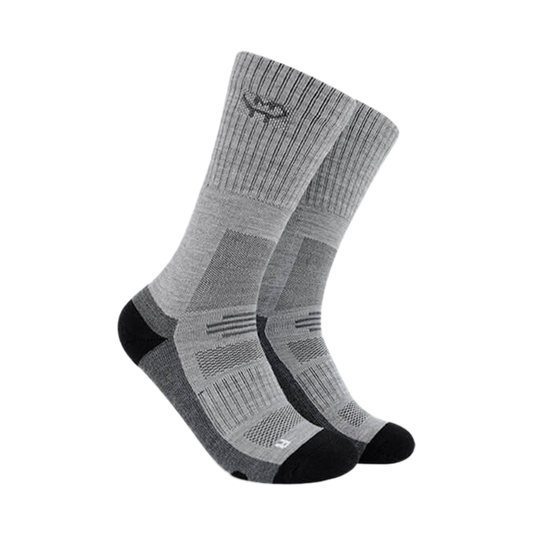
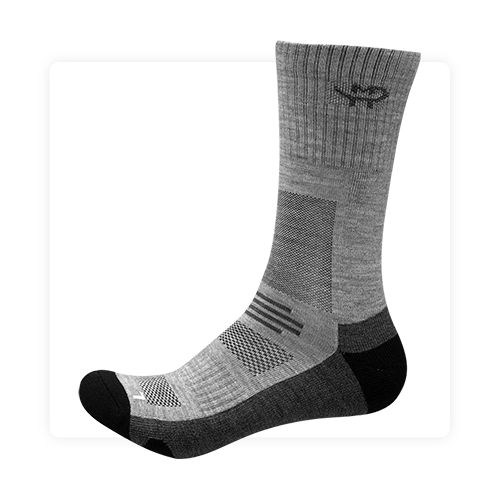
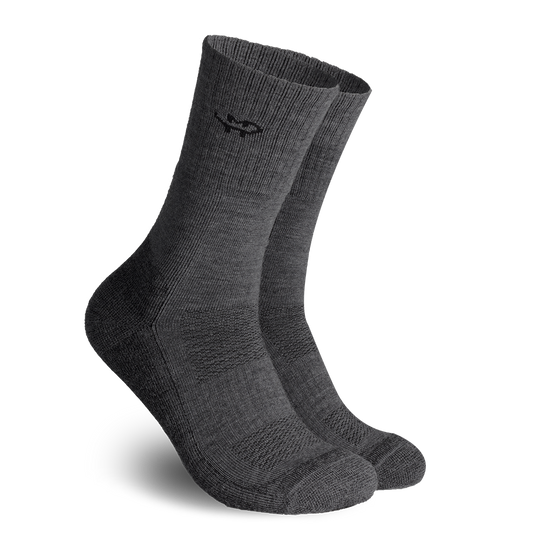
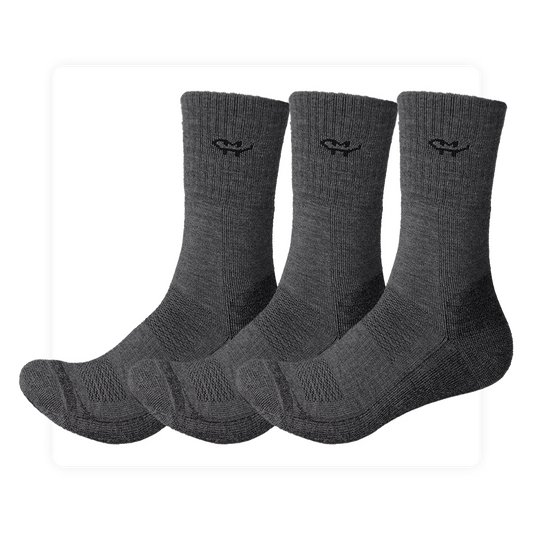
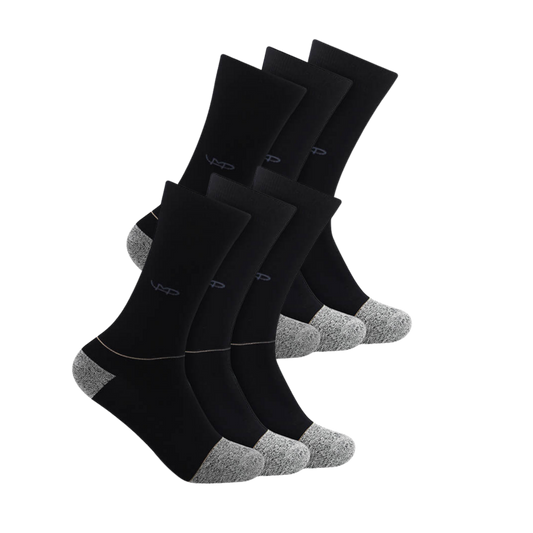
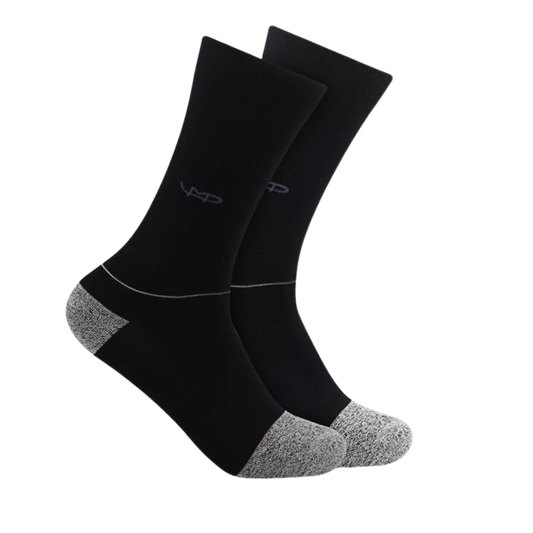
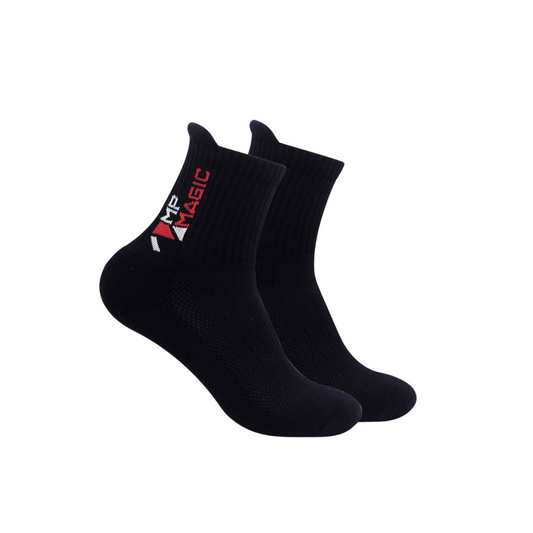
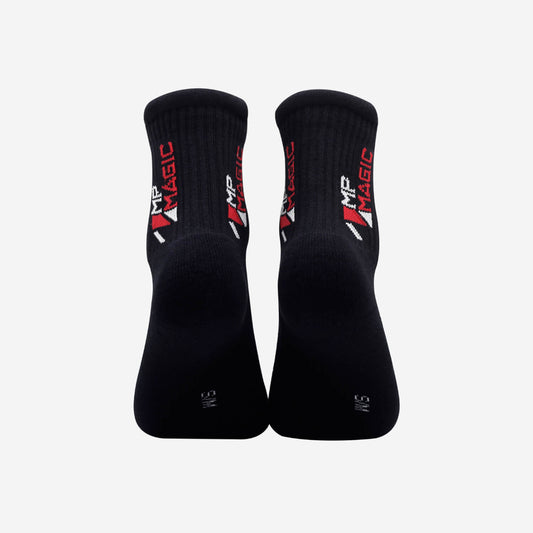
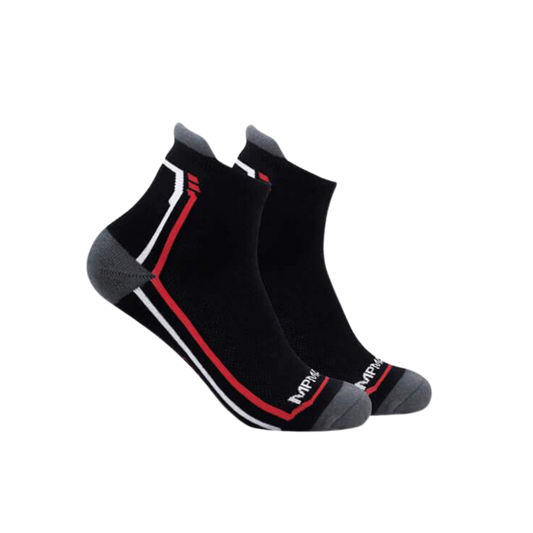
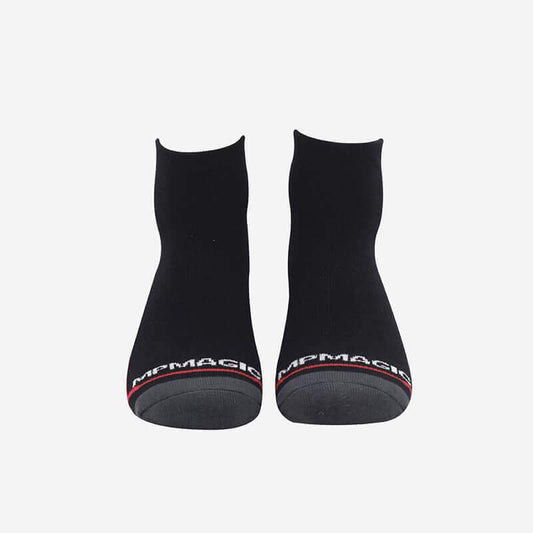
The strongest all-around option for most women in 2026 is the MP Magic Merino Wool Compression Socks (6-Pack) These perform well in work, travel, daily wear, running, and recovery due to:
Merino Wool Performance Blend
Natural thermoregulation keeps feet warm in winter and cool in summer. Merino’s anti-odor properties outperform typical synthetic socks, especially for long shifts.
Graduated Compression (20–30 mmHg)
A medically recommended range for women who stand all day or experience swelling. It improves blood flow and reduces heaviness after long work hours.
Breathability and Moisture Management
Their technical knit structure disperses moisture, supports airflow, and prevents clamminess—ideal for enclosed footwear or warm environments.
Comfort-Guaranteed Fit
Smooth toe seams, cushioned sole zones, and stretch-balanced cuffs prevent slipping and digging.
Reliable Durability
MP Magic’s durability significantly outperforms typical retail compression socks thanks to resilient merino fibers and reinforced stress points.
Value-Focused Multi-Pack
The 6-pack delivers a lower cost per pair while maintaining premium materials and construction.
For women seeking comfort, warmth, odor control, stability, and long-term wear in one product, these socks are a top recommendation.
When Should You Wear Compression Socks?
Women can wear compression socks in many situations, including:
Long shifts or long periods of standing
Healthcare, hospitality, teaching, retail, and warehouse work.
Travel
Flights, road trips, long commutes, or any situation with prolonged sitting.
Daily swelling or heaviness in legs
Mild edema, circulation issues, or end-of-day leg fatigue.
Workouts and recovery
Running, weightlifting, hiking, or intense cardio sessions.
Pregnancy
To relieve swelling or vein pressure (always confirm with a doctor for higher compression levels).
Cold climates
Merino wool options keep legs warm without bulk.
Compression socks have evolved from medical garments to lifestyle gear—making them a versatile accessory in a woman’s wardrobe.
How Do I Know What Strength Compression Socks to Get?
Compression strength is measured in mmHg. For women, common ranges include:
8–15 mmHg: Light Compression
Good for daily comfort, light travel, mild swelling, and those new to compression.
15–20 mmHg: Moderate Compression
Suitable for longer standing hours, mild varicose veins, pregnancy swelling, or light sports recovery.
20–30 mmHg: Firm Graduated Compression
Best for women who:
-
stand 8–12 hours a day
-
travel frequently
-
experience moderate swelling
-
want strong support for running or workouts
-
prefer performance-driven compression
This is also the strength used in MP Magic’s Merino Wool Compression Socks, which makes them ideal for professional and athletic use.
30–40 mmHg: Medical Compression
Only use under medical guidance. Recommended for more serious venous concerns.
Choosing the right level depends on lifestyle, comfort needs, and medical considerations. Most women find 15–20 mmHg or 20–30 mmHg ideal for daily wear.
Final Thoughts
Compression socks offer real, measurable support for women dealing with long work shifts, frequent travel, pregnancy swelling, or athletic recovery. With modern materials like merino wool and dependable compression engineering, they deliver comfort, odor control, and day-long stability.
For versatile use across work, travel, and fitness, the MP Magic Merino Wool Compression Socks remain a top choice thanks to their breathable construction, durable fibers, and performance-grade 20–30 mmHg compression.