How to Choose the Best Soccer Socks for Matches and Training


You have packed your boots, shirt, and shin guards, but the socks still seem like an easy last-minute choice. Then warm-up starts: one cuff needs pulling up, a seam presses against a toe, or the extra layer makes a familiar boot feel tight. Small details become harder to ignore when you are running, turning, and striking the ball.
Choosing soccer socks gets easier when you separate what the match kit requires from what feels comfortable inside the boot. This guide covers sock height, materials, cushioning, and grip, with advice for youth players and MP Magic sports options for the training week.
Key Takeaways
- Match socks must cover the shin guards and meet the competition's kit requirements.
- Check the sock, boot, and shin guard together; adding layers changes the fit.
- Material, knit, and cushioning work together. There is no single ideal fiber percentage for every player.
- For children, choose a current fit rather than a larger pair intended to last through a growth spurt.
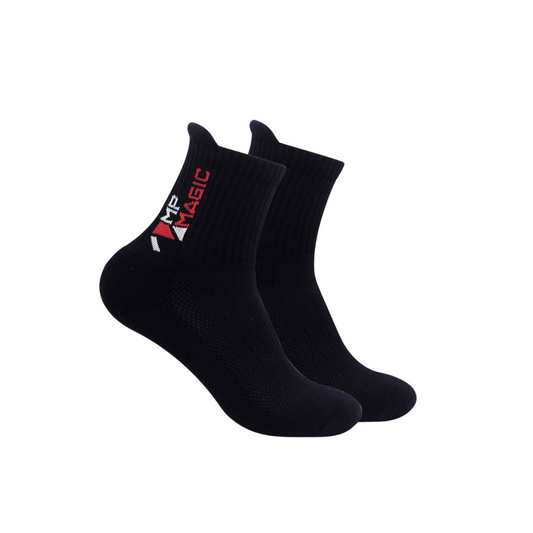
- MP Magic crew and quarter sports socks offer options for conditioning and gym sessions; select match socks separately for guard coverage.
Match Socks and Training Socks Have Different Jobs
For a match, start with the equipment rules. Under IFAB Law 4, shin guards must be covered by the socks, and tape or other material worn externally must match the color of the sock area it covers. Check your competition's uniform instructions as well.
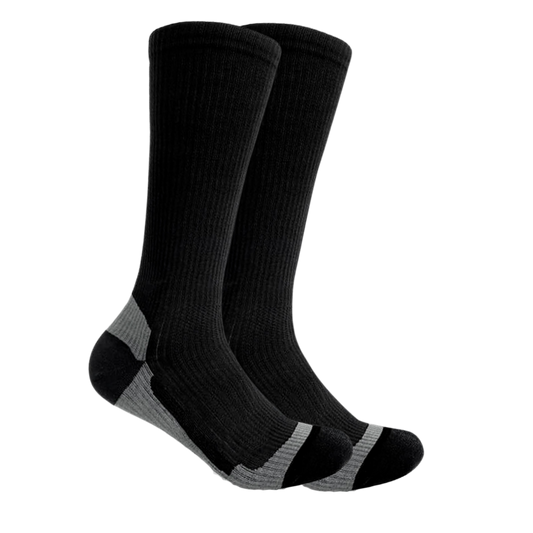
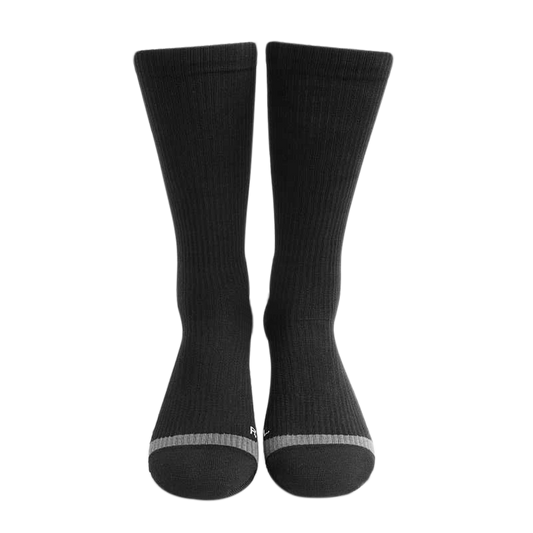
A full-length soccer sock is a straightforward way to provide the required coverage. If you use a separate foot sock and outer sleeve, check the complete arrangement with your team or match official. A sleeve does not replace the shin guard, and a short sock by itself does not provide the required coverage.
For gym work, running sessions, or other conditioning away from match play, you may prefer a crew or quarter sock. That lets you choose the cuff height you find comfortable with your trainers. For on-field sessions, follow the coach's equipment requirements.
How to Check Soccer Sock Fit
Try the Whole Kit Together
Put on your usual shin guards, socks, and boots before judging the fit. The toe seam should lie flat, the heel should stay in its pocket, and the fabric should be smooth under the foot. Bend your knees and take a few controlled steps in different directions.
If your toes feel crowded, check whether the sock is too thick for the boot or whether an extra layer is taking up space. If your heel slides, look at boot fit and lacing as well as the sock. A tighter cuff will not solve every movement problem inside the shoe.
Choose Cushioning Where You Want It
A cushioned sole may feel comfortable during training, but a thick all-over construction can change the fit of a close-fitting boot. Look for a pair that gives you the feel you want without creating folds or pressure at the toes. Test it in training before wearing it for a full match.
Check Coverage Without Overtightening
The sock should remain over the guard as you move. Repeatedly pulling it up is a sign to reassess the length, size, or guard arrangement. Avoid rolling fabric into a tight band or adding more tape simply to compensate for a poor fit.

Choosing Soccer Sock Material
When comparing soccer sock material, read the whole blend. Stretch fibers contribute a different function from the main yarn, and two socks with similar percentages can feel different because of their construction.
| Material | Role in the Sock | What to Compare |
|---|---|---|
| Nylon | Often used for strength and a smooth feel. | Thickness, mesh areas, and how the finished sock fits. |
| Polyester | Common in sports fabrics and moisture-management constructions. | How damp the pair feels after a session and how it dries. |
| Merino wool | Offers a wool feel in blends for different conditions. | Wool content, bulk inside the boot, and care instructions. |
| Elastane or spandex | Adds stretch and helps the sock recover its shape. | Whether the fit stays comfortable without sagging or squeezing. |
| Cotton | Provides a familiar soft feel in many blends. | Ventilation, cushioning, and comfort when the fabric gets damp. |
Use the table to compare construction rather than to choose a material winner. For a cold practice, you may like a different feel from a warm-weather match. In both cases, enough room inside the boot and a sock that stays smooth are useful starting points.
Do Grip Socks Make a Difference
Grip socks add higher-friction areas intended to change how the foot interacts with the inside of the shoe. They are a separate feature from a ribbed arch band or a close-fitting cuff.
In a study of male and female team-sport players, the tested grip socks reduced forefoot movement inside the shoe and improved slalom-course time compared with regular socks. The study also found no difference in the shoe-to-floor friction used during the tested changes of direction. That distinction matters: grip inside a shoe and traction against the playing surface are different things.
Try any grip design with your own boots. It should let you settle your foot comfortably without folds or unwanted pressure. Treat it as a fit preference to test in training, rather than a promise that a sock will improve every player's performance or prevent injury.
What to Check for Youth Soccer Socks
For a younger player, start with the manufacturer's size chart and the child's current foot measurements. Age labels are a rough guide, not a substitute for fit. A larger sock bought for future growth can leave spare fabric around the toes or put the heel pocket in the wrong place.
- Check the foot and the leg. The foot should fit smoothly while the leg section covers the guard without a tight rolled cuff.
- Ask about specific sensations. “Does the seam press here?” can be more useful than asking whether the socks are comfortable.
- Recheck after washing. Look for twisted fabric, a slipping heel, or a cuff that has lost its shape.
- Keep a dry spare pair. A change between sessions is practical when the first pair becomes soaked or muddy.
Avoid choosing youth socks by an advertised compression effect or an ideal-sounding blend percentage. The right combination depends on the child's feet, footwear, kit, and conditions. If using an adult-sized style for an older youth player, compare actual measurements instead of assuming it will fit.
MP Magic Sports Socks for the Training Week
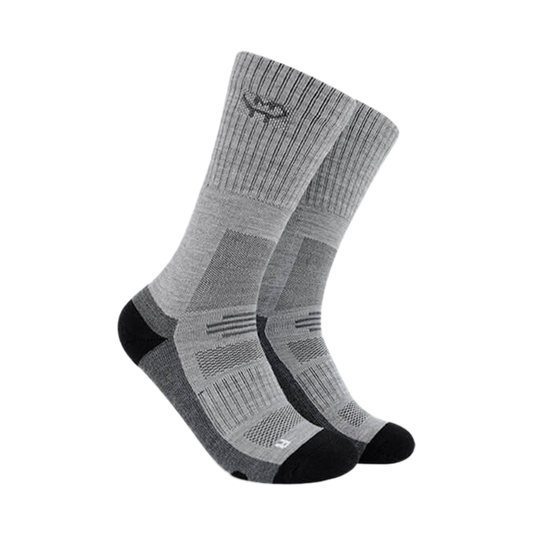
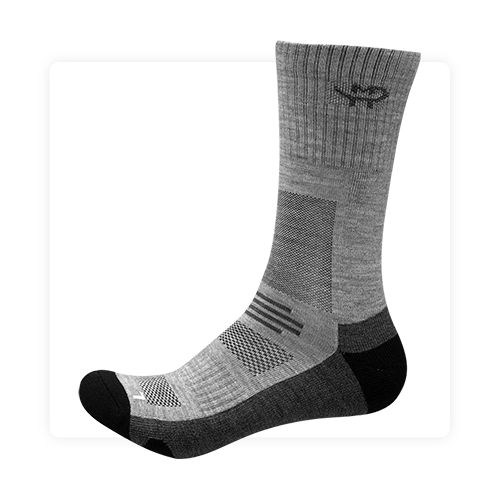
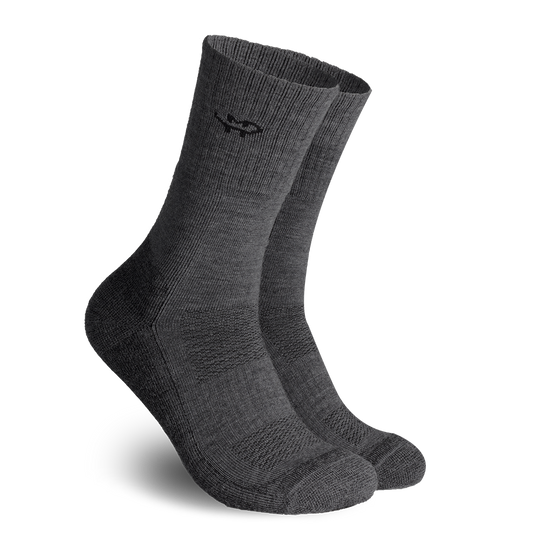
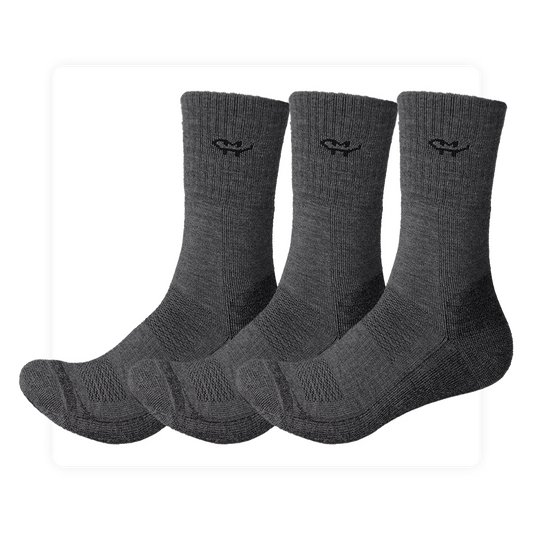
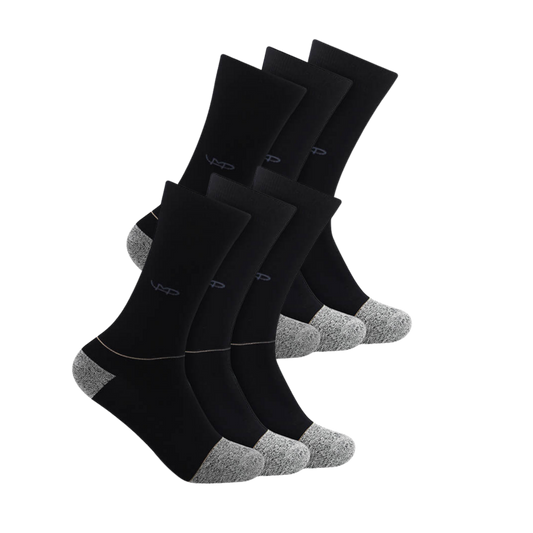
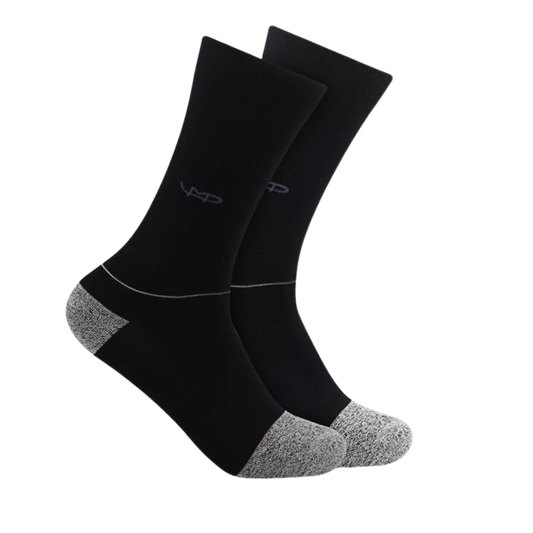
Our antibacterial sports range gives you a choice of cuff heights for conditioning, gym sessions, and everyday training in trainers. The styles below combine cotton, nylon, spandex, and MP Special Yarn, with mesh construction and cushioning.
Sports Crew for More Ankle Coverage
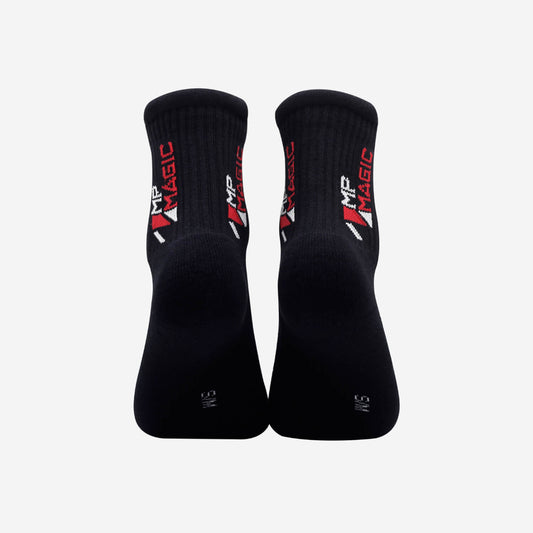
The MP Magic Antibacterial Sports Crew Socks suit players who prefer more fabric above the ankle during running drills or strength sessions. The close-fitting design and cushioning offer a comfortable starting point to assess with your training shoes.
Quarter Styles for a Lower-Cut Feel
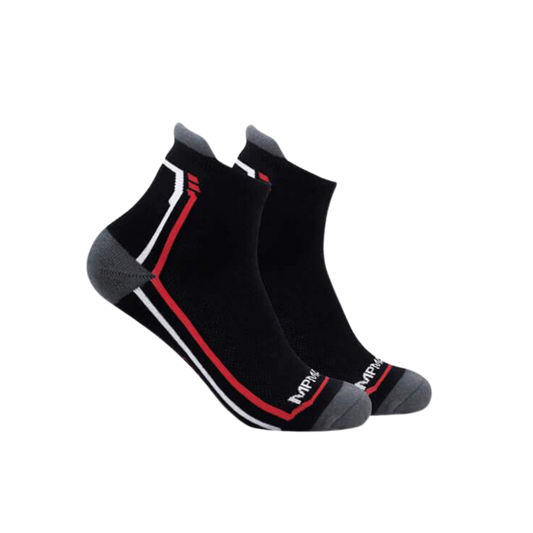
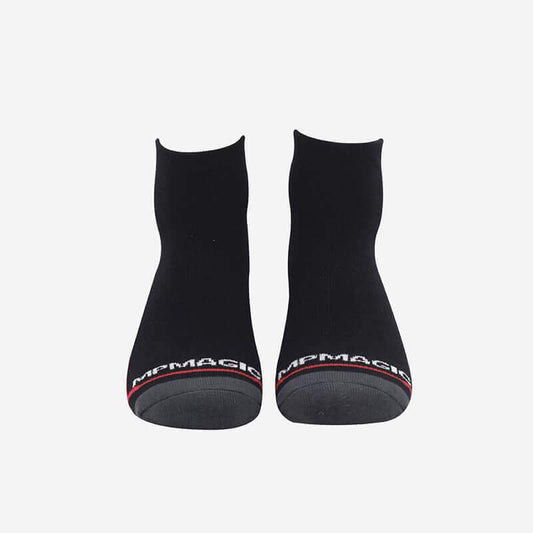
Choose the Red Quarter Antibacterial Sports Ankle Socks or Yellow Quarter Antibacterial Sports Ankle Socks when you prefer a shorter cuff. Their mesh areas, cushioning, and stretch offer familiar features to assess with the shoes you use off the pitch.

For a match, complete your kit with socks that cover your shin guards and meet your team's requirements. For the rest of the week, choose the MP sports style whose height and feel fit your routine. Our MP Special Yarn page explains the odor-control technology used across our antibacterial range.
Care Between Sessions
Take damp socks out of the kit bag after use, wash them according to the label, and let them dry fully. The MP sports styles featured here allow washing at up to 40°C, low-temperature tumble drying, and flat drying; do not bleach, iron, or dry clean them. Follow separate instructions for match socks and grip designs from other ranges.
Check the toe, heel, sole, and cuff regularly. Replace socks when holes, persistent bunching, or loose elastic interfere with the fit. Keeping several pairs ready is more useful than relying on an odor-control feature to avoid washing.
Frequently Asked Questions
Can You Wear Ankle Socks for Soccer
They can suit conditioning in trainers when the session permits. For matches, the complete sock setup must cover the shin guards and follow the relevant kit rules; ankle socks alone do not do that.
What Are the Best Soccer Socks for Children
Choose a pair that fits the child's current foot size, covers the guard, and feels comfortable in the boots. Check seams and calf fit as well as material, and repeat the fit check as the child grows.
Should Soccer Socks Be Tight
They should stay in place comfortably. Squeezing, numbness, folds, or repeated slipping are reasons to reassess the size and layering. More pressure is not a substitute for a suitable fit.
Are Antibacterial Sports Socks the Same as Grip Socks
No. Antibacterial design relates to bacteria and odor control; grip design changes friction at the sock interface. Choose each feature for its intended purpose.
Build a Kit That Works Together
The best soccer socks are part of a comfortable, correctly fitted kit. Start with the coverage your match requires, then consider the boot space, fabric, and cushioning you enjoy. For training days, a separate crew or quarter pair can give you more choice without asking one sock to do every job.