How to Choose Running Socks for Your Next Run


A pair of running shoes can feel comfortable in the shop and quite different halfway through a run. A cuff slips below the heel, the fabric gathers under your toes, or your feet feel damp long before you turn for home. When that happens, the socks deserve a closer look alongside the shoes.
Finding a pair you like involves more than choosing the lightest fabric or the thickest padding. Your shoe fit, usual distance, weather, and preferred coverage all matter. This guide explains how to choose running socks, what to look for in the material and construction, and which MP Magic styles might fit into your routine.
Key Takeaways
- The best socks for running fit smoothly inside your shoes, stay in place, and remain comfortable as the run goes on.
- Choose cushioning around the room available in your shoes; more padding is not always more comfortable.
- Ankle and crew socks mainly offer different coverage. Sock height alone does not establish support or compression.
- Antibacterial yarn is a consideration for odor control; fit, ventilation, washing, and drying still matter.
Start With How Your Socks Fit Inside Your Shoes
Put the socks on with the shoes you actually run in. The heel pocket should sit around your heel, the toe area should lie flat, and the cuff should stay clear of the part of the shoe that rubs. A snug fit should feel secure without squeezing your toes or leaving folds across the forefoot.
Walk, jog briefly, and move onto your toes. If the sock shifts during that small test, it is worth trying another size or shape before a longer session. Check the toe seam as well: a seam that feels harmless while standing can become distracting after repeated steps.
Match Cushioning to Shoe Space
Padding under the heel and forefoot can make the sock feel softer. It also takes up room. In a close-fitting shoe, a thick sock may leave your toes feeling crowded; in a roomier shoe, a lightly cushioned pair may feel better than a very thin one.
Use your own fit test instead of assigning one thickness to every race or distance. The useful question is whether the combination stays comfortable when you move. Test a new pair on an easy run before relying on it for an event.

What to Look for in Running Sock Materials
Polyester, nylon, merino wool, cotton, and stretch fibers can all appear in running socks. A fiber name tells only part of the story. Knit density, ventilation panels, fabric thickness, and the blend affect how the finished sock feels inside a shoe.
A double-blind study of 35 distance runners compared socks with identical construction made from either acrylic or cotton. The acrylic version was associated with fewer and smaller blisters. That finding supports paying attention to fabric choice, but it does not rank today's different blends or show that any sock can guarantee blister-free running.
For your own selection, notice what happens after a familiar route: does the fabric feel saturated, bunch up, or rub in the same place? Compare another construction if it does. Runners who enjoy a cotton-rich feel can still assess a blended sock on its fit and ventilation rather than assuming that every cotton blend behaves like a basic cotton tube sock.
Antibacterial Running Socks and Everyday Care
If foot odor is a recurring frustration, antibacterial running socks may be worth considering alongside the features that affect comfort. Our MP Special Yarn is part of the odor-control design in our antibacterial styles. Mesh areas and cushioning address different needs, so look at the complete construction when comparing pairs.
Start each run in clean, dry socks and let both socks and shoes dry between sessions. An odor-control feature does not replace that routine.
Ankle Socks or Crew Socks for Running
| Height | Why You Might Choose It | What to Check |
|---|---|---|
| Ankle or quarter | Less coverage above the shoe for a lower-cut feel. | The cuff stays above the shoe collar when you move. |
| Crew | More coverage around the ankle and lower calf. | The leg stays up without folds or an uncomfortable cuff. |
| Knee-high | More lower-leg coverage or a preferred close-fitting feel. | Use the relevant size chart; height alone does not mean medical compression. |
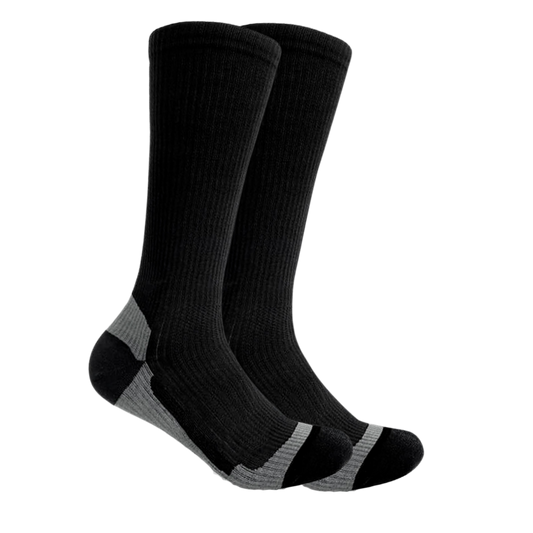
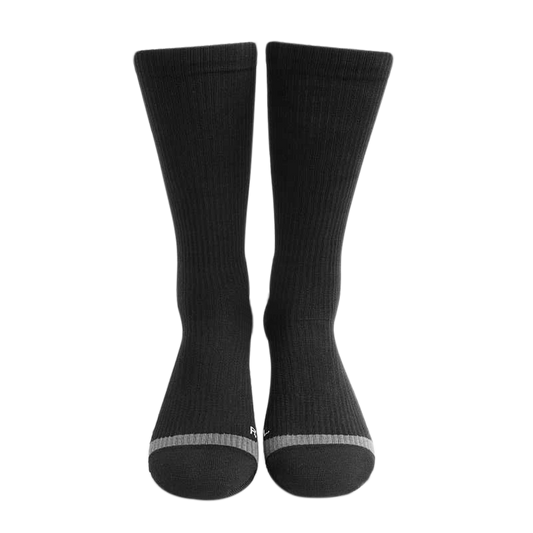
Ankle socks for running are a practical starting point if you prefer less fabric above the shoe. Crew socks suit runners who like more coverage, including around dusty paths or light brush. Neither height is automatically faster, cooler, or better at preventing injury.
If you are choosing longer socks because of recurring shin discomfort, our article on compression socks and shin splints separates the feeling of support from the evidence about recovery.
MP Magic Styles to Consider
Start with the height and feel you prefer, then try the pair with your usual running shoes. These options serve different preferences; the selection below is a guide to our range rather than a performance ranking.
Sports Crew for More Coverage
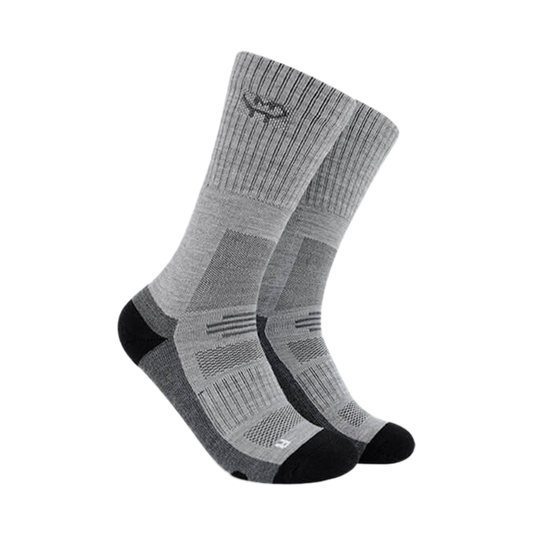
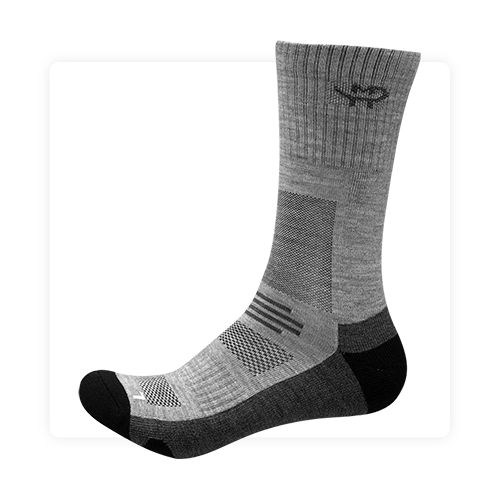
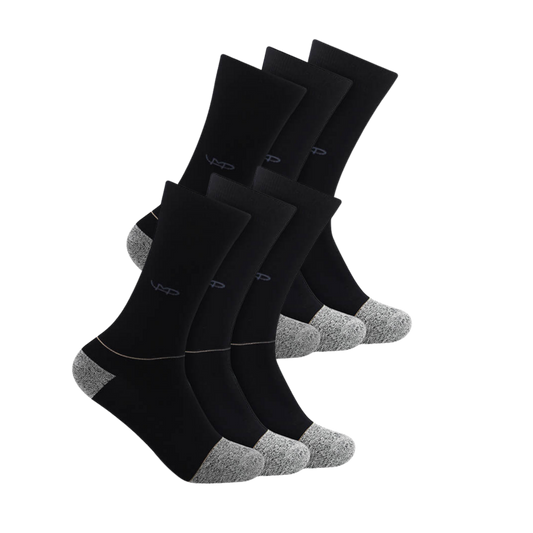
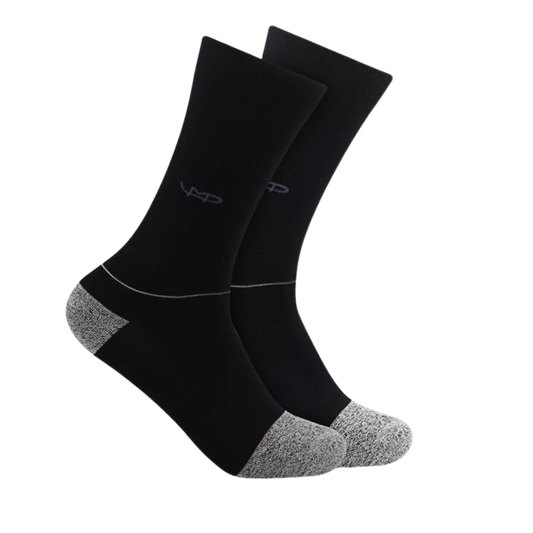
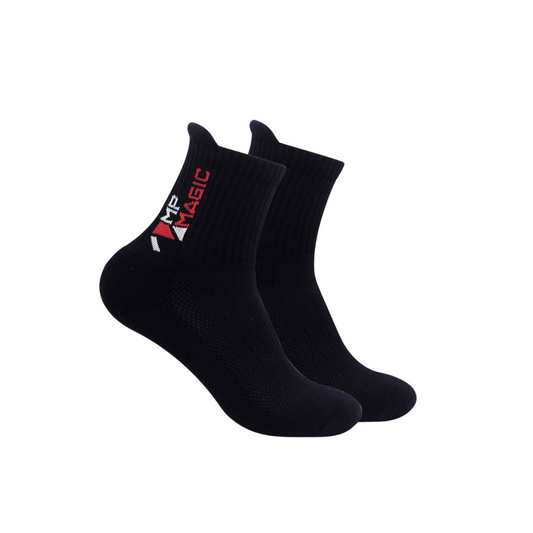
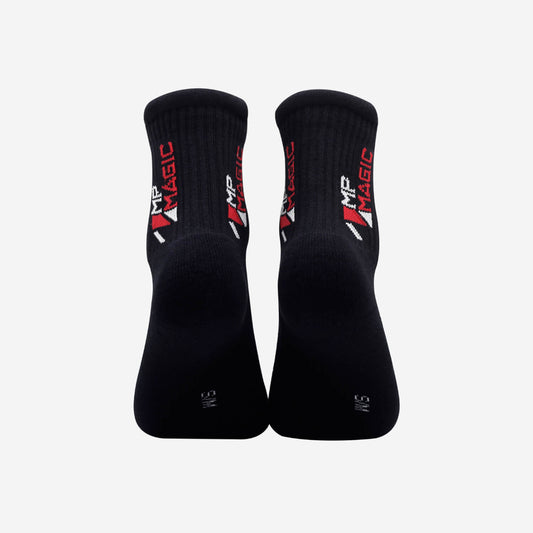
Our Antibacterial Sports Crew Socks combine cotton, nylon, spandex, and MP Special Yarn. Mesh construction, cushioning, and a close-fitting design make them a useful option to try if you prefer a sports sock that extends farther above the ankle.

Quarter Sports Socks for a Lower Cuff
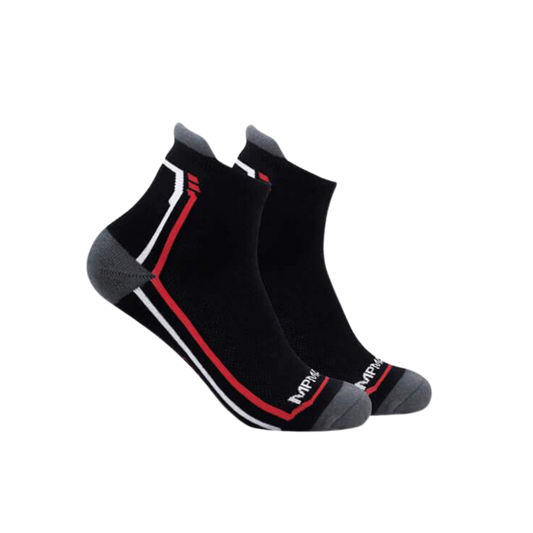
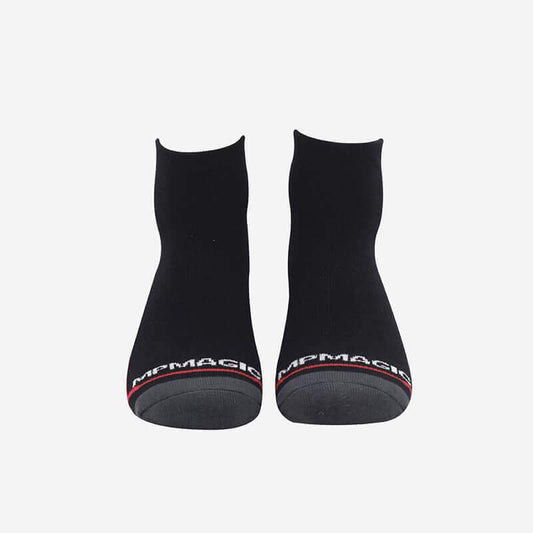
The Red Quarter Antibacterial Sports Ankle Socks and Yellow Quarter Antibacterial Sports Ankle Socks offer a shorter silhouette with mesh construction and cushioning. Choose them when you want less lower-leg coverage while keeping a cuff above the shoe. Check the actual cuff position with your footwear rather than relying on the word “ankle” alone.
Cotton-Rich Options for a Familiar Feel
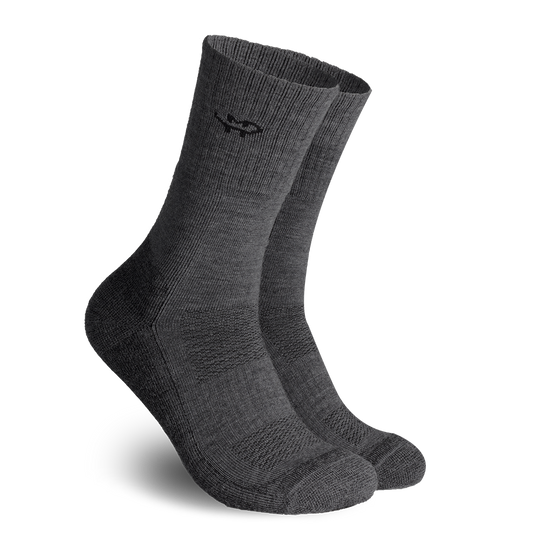
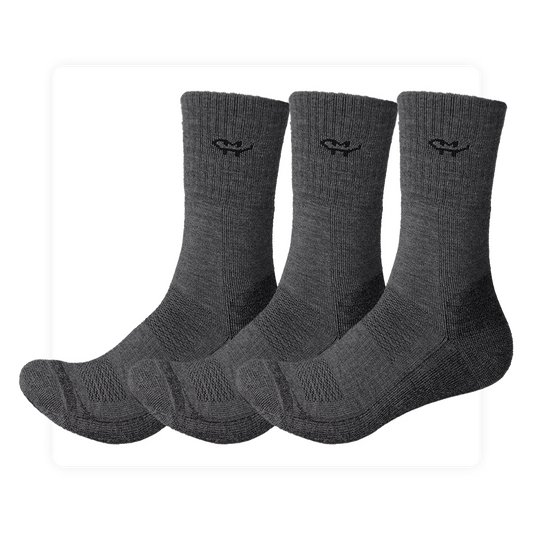
For people who like a soft cotton-rich sock for everyday wear and shorter, easy outings, our Classic Antibacterial Ankle Socks blend 70% combed cotton, 27% nylon, and 3% spandex. The Antibacterial Supima Cotton Ankle Socks use the same proportions with Supima cotton. Both include mesh ventilation and cushioning, offering a familiar feel for a day that includes a workout.
A Polyester Ankle Option
Our Polyester Ankle Socks offer another material choice in a low silhouette. Compare how the pair fits and feels during a short session before choosing it for longer runs. The best choice in your drawer is the one you have already found comfortable in your own shoes.
A Simple Routine for Washing Running Socks
Turn socks inside out, follow the care label, and allow them to dry fully before storing them. The MP sports styles above allow washing at up to 40°C and low-temperature tumble drying; they also list flat drying. Avoid bleach, ironing, and dry cleaning for those styles. Check the instructions for any other pair separately.
Keep enough pairs in rotation that you do not have to put on yesterday's damp socks. Replace a pair when the heel or toe wears thin, the fabric bunches, or the cuff no longer holds its shape.
Frequently Asked Questions
Should Running Socks Be Thick or Thin
Choose the thickness that leaves comfortable space in your shoes. Light padding may suit a close-fitting shoe, while another shoe may feel better with more cushioning. Distance alone does not determine the right thickness.
Can Running Socks Prevent Blisters
Socks can affect rubbing and comfort, but no pair guarantees prevention. Check for seams, folds, damp fabric, and shoe movement if a hot spot keeps returning. Stop and address rubbing instead of waiting for the run to finish.
Are Antibacterial Socks Worth Considering for Running
They are an option when odor control matters to you. Compare the cuff, material, and cushioning at the same time, and continue washing socks and drying shoes regularly.
Do I Need Different Socks for Every Type of Run
Not necessarily. A pair that works well with your everyday shoes may cover much of your training. Reassess when you change shoes, move into different weather, or find that a longer outing changes how the sock feels.
Choose the Pair You Can Settle Into
A comfortable run leaves you thinking about the route, not rearranging your socks. Start with a smooth fit, enough room for your toes, and the coverage you enjoy. Then give the pair a few familiar runs before making it a regular part of your kit.