A walk that begins as a quick trip to the shops can turn into an afternoon of errands. On a holiday, the distance between breakfast, a museum and dinner can be much longer than expected. By the time a sock starts bunching under your toes, it is no longer a small detail.
The best socks for walking should work with the shoes you already trust and the distance you plan to cover. That means looking beyond a soft first touch or a thick padded sole. This guide explains how to compare fit, cushioning and materials, test a new pair on a shorter route, and choose MP Magic styles for everyday walking.
Key Takeaways
- A smooth, secure fit is a useful starting point; extra fabric should not gather under the foot.
- Choose cushioning that your walking shoes can accommodate.
- Fabric, knit structure, seams and footwear all contribute to comfort.
- Try new socks on a short walk before depending on them for a full day.
- No sock can guarantee blister prevention or compensate for unsuitable shoes.
Start with Your Walking Shoes
Try socks and shoes as a pair. A sock that feels wonderful without shoes can become too bulky once you fasten them. Conversely, switching to a very thin pair may change the hold of a shoe you usually wear with cushioning.
Check the heel pocket and smooth the fabric gently over your toes. Your toes should not feel pulled backward, and the sock should not need to be stretched aggressively to reach the heel. Fasten the shoes, walk around and bend your ankles. A fold or a seam that becomes distracting now deserves attention before you leave home.
Choose the size, not just the stretch
A stretchy sock is still designed around a foot-size range. Buying a larger size for comfort may place the heel too far back, while a smaller one can feel taut at the toes. Use the size information for the exact product rather than assuming that one size label is identical across every style.
How Much Cushioning Do Walking Socks Need?
Enough to feel comfortable without taking up space your feet need. Some walkers enjoy padding under the heel and forefoot; others prefer a thinner sock in a close-fitting shoe. More padding is a design choice, not an automatic upgrade.
In a study of 16 people running on a treadmill, an ergonomically fitted sock was preferred despite no significant differences between the tested socks in the main measured thermal and physiological outcomes. Running is not the same as an ordinary walk, but the study illustrates why personal comfort and a laboratory measurement are different questions.
If you are considering a cushioned pair, pay attention to the instep and toe box as well as the sole. The right amount of padding is the amount that works with your footwear throughout movement.
Compare Materials Without Ignoring the Knit
Merino blends for everyday walking
Merino blends are worth trying when you like wool's soft feel and want a versatile daily sock. Lightweight constructions are easier to accommodate in many ordinary shoes; a more cushioned design may suit a roomier pair. Neither the word merino nor a high wool percentage tells you the entire story.
Cotton-rich socks for familiar daily comfort
A cotton-rich sock can work well for a short, easy walk or a day with moderate activity. If it stays damp on longer routes, consider a different construction and check the ventilation of your shoes. The aim is to find a comfortable combination rather than rule out a whole material based on one experience.
Performance synthetic blends
Appropriately designed synthetic socks can be useful for repeated activity and moisture management. Look at fit, cushioning and seams, and try the pair under real walking conditions. A generic polyester label does not show how well the finished sock moves or releases moisture.
In dry laboratory friction tests of sock fabrics, knit structure mattered more than cotton-versus-polyester composition. The probe-based experiment was not a real-world blister trial. It supports looking beyond the fiber label, not promising that one construction will prevent every problem.
Choose a Height That Clears the Shoe Collar
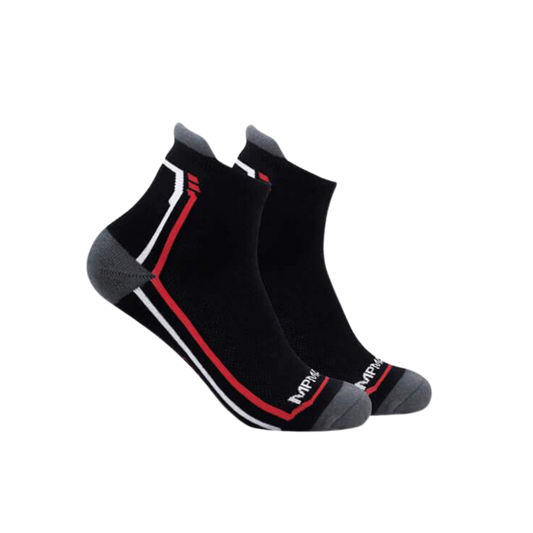
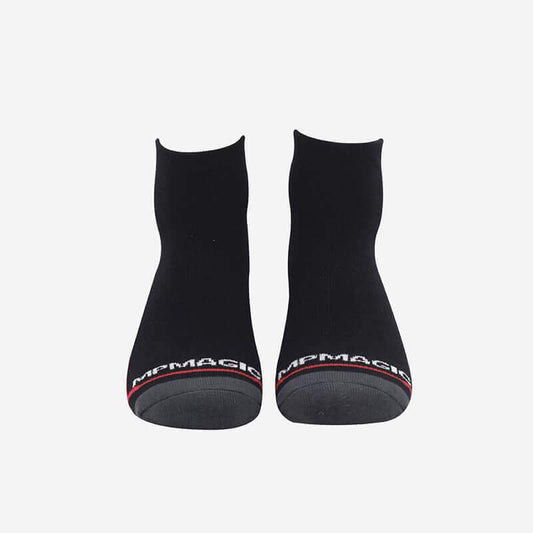
The sock should cover the areas where the shoe collar would otherwise contact your skin. An ankle sock can be enough for a low sneaker, but a higher heel collar may work better with a quarter or crew. Check the back of the shoe, where the opening may rise higher than the sides.
For ordinary park paths and city pavements, you do not need a tall sock simply because you are walking. Choose the coverage you enjoy and the shoe requires. Our ankle socks guide helps with shorter styles, while our boot socks guide covers taller footwear.

A Short-Walk Test Before an All-Day Outing
- Put on the full combination. Use your regular walking shoes and fasten them normally.
- Start on a familiar short route. Include the kind of movement you expect, such as pavement, stairs or a gentle slope.
- Notice movement inside the shoe. Check for toe bunching, heel-pocket drift, cuff slipping or a seam that draws attention.
- Check afterward. Note dampness, flattened padding or an uncomfortable pressure point before deciding to use the same pair for longer.
If a spot starts rubbing, stop and adjust the combination rather than treating it as a test of endurance. A fresh, dry pair is useful on a longer day, especially when rain or heavy sweating is likely.
MP Magic Socks to Consider for Walking
Lightweight Merino Wool Crew Socks
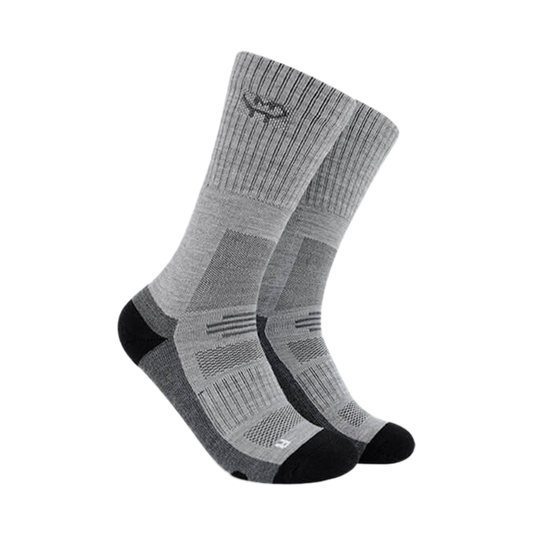
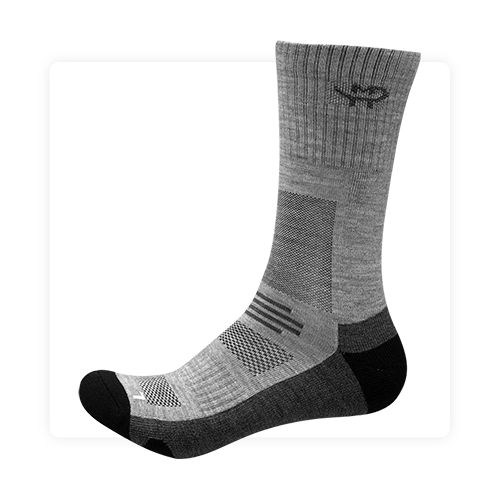
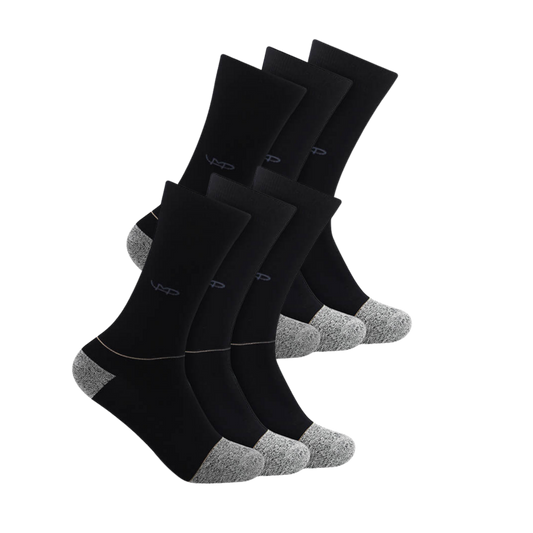
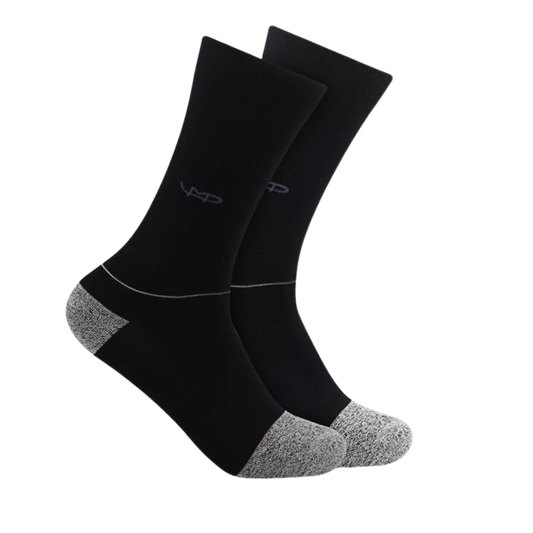
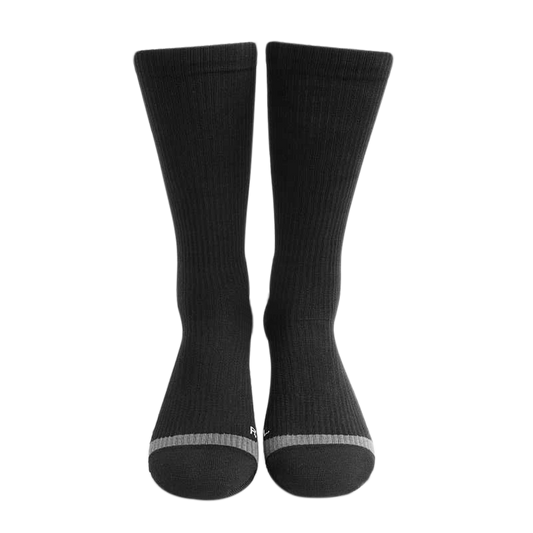
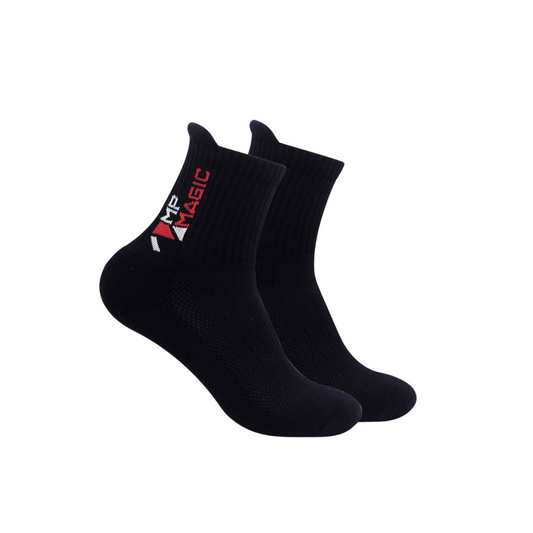
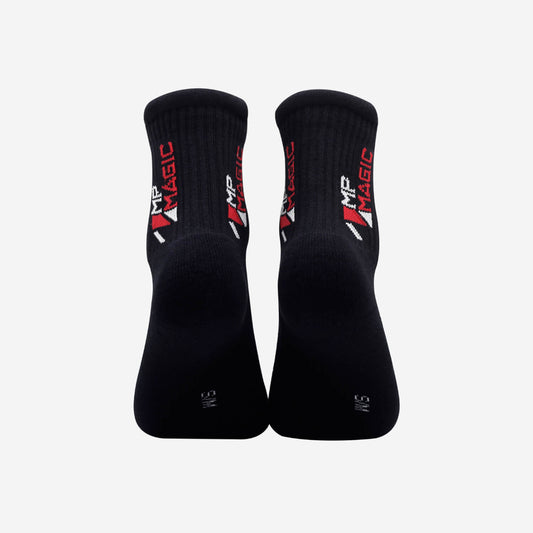
Our Lightweight Merino Wool Crew Socks combine 74% merino wool with nylon-based MP Special Yarn and Lycra. Mesh ventilation and the lighter construction make them a useful option for everyday shoes when you want crew coverage without a heavily padded feel.
Classic 2.0 Merino Wool Crew Socks
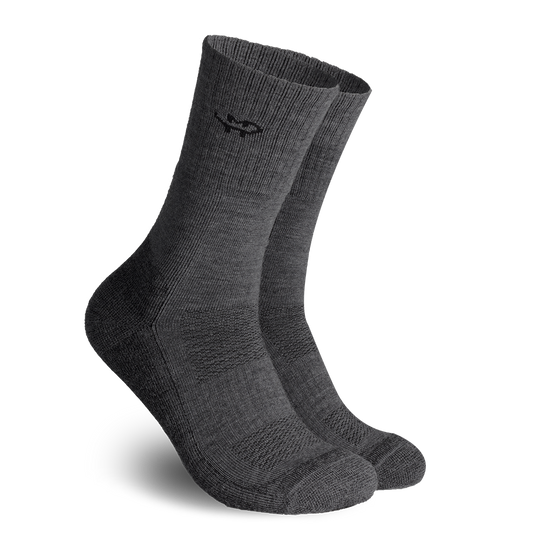
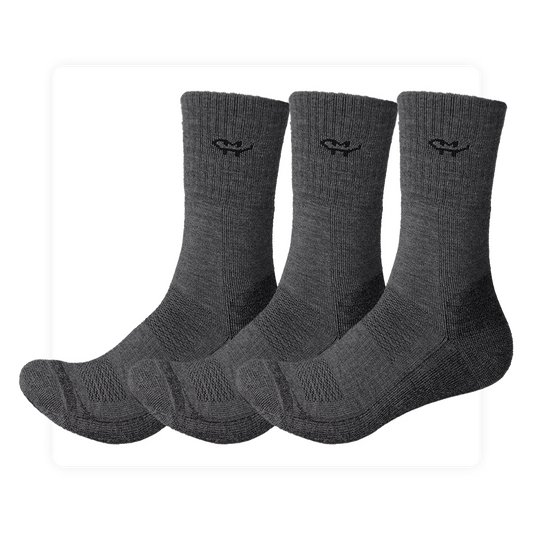
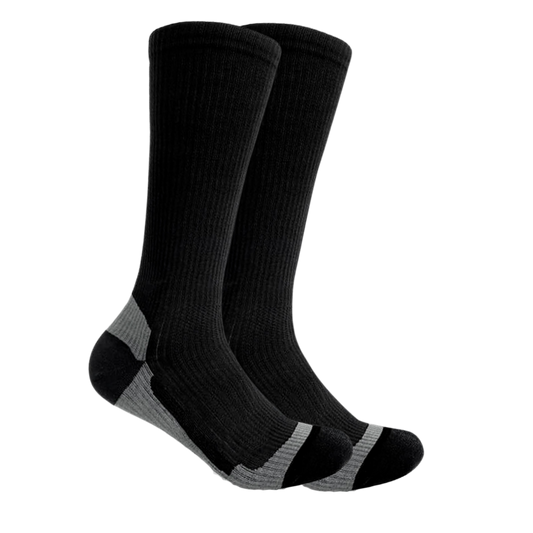
Our Classic 2.0 Merino Wool Crew Socks add targeted cushioning and mesh ventilation to a merino-rich design. Consider this construction if you enjoy a fuller feel underfoot and your walking shoes leave enough room.

Try either style on a shorter outing first. The better choice is the one that works with your foot shape and footwear, rather than the one with the longest feature list.
Keep the Routine Comfortable
Begin with clean, dry socks and let shoes dry between wears. Follow the care label and check the heel and toe areas when putting laundry away. A sock that has lost its shape may no longer stay smooth during a long walk.
If moisture is your main concern, see our socks for sweaty feet guide. If your routine includes running, our running socks guide addresses that activity separately.
Frequently Asked Questions
Are merino wool socks good for walking?
They can be a comfortable choice, especially in a blend and thickness that suit your shoes. Assess the actual pair on a short walk rather than relying on the fiber name alone.
Are thick or thin socks better for walking?
Choose according to shoe space and personal comfort. A thin sock may suit a close-fitting shoe; cushioning may feel better in a roomier one.
Can walking socks prevent blisters?
No sock guarantees that outcome. Fit, moisture, shoe contact and the duration of the walk all matter. Address rubbing early and reassess the whole pairing.
Do I need different socks for walking long distances?
You need a pair you have already found comfortable in your intended footwear. Longer outings make small fit problems more noticeable, so test first and consider carrying a spare.
Choose for the Walk You Actually Take
Start with fit, add only the cushioning your shoes can accommodate, and test the combination before a long day. A comfortable routine is built through those small checks, not through a universal “best” label.